 Μake us preferred on Google
 The annual UN climate talks in Bonn were supposed to be a technical checkpoint on the road to COP31 in Antalya, Türkiye, this November. Instead, they exposed a climate diplomacy process increasingly struggling to reconcile scientific urgency with political reality.
After nearly two weeks of negotiations involving more than 9,000 participants, delegates left Bonn with limited progress on some key procedural issues but no breakthroughs on the issues that matter most including emissions cuts, adaptation indicators and how adaptation finance is reflected, says the International Institute for Sustainable Development (IISD).
That matters because Bonn is where the groundwork is usually laid for decisions at the annual climate summit known as COP. When negotiations stall here, the risk grows that ministers will face even tougher political battles later in the year.
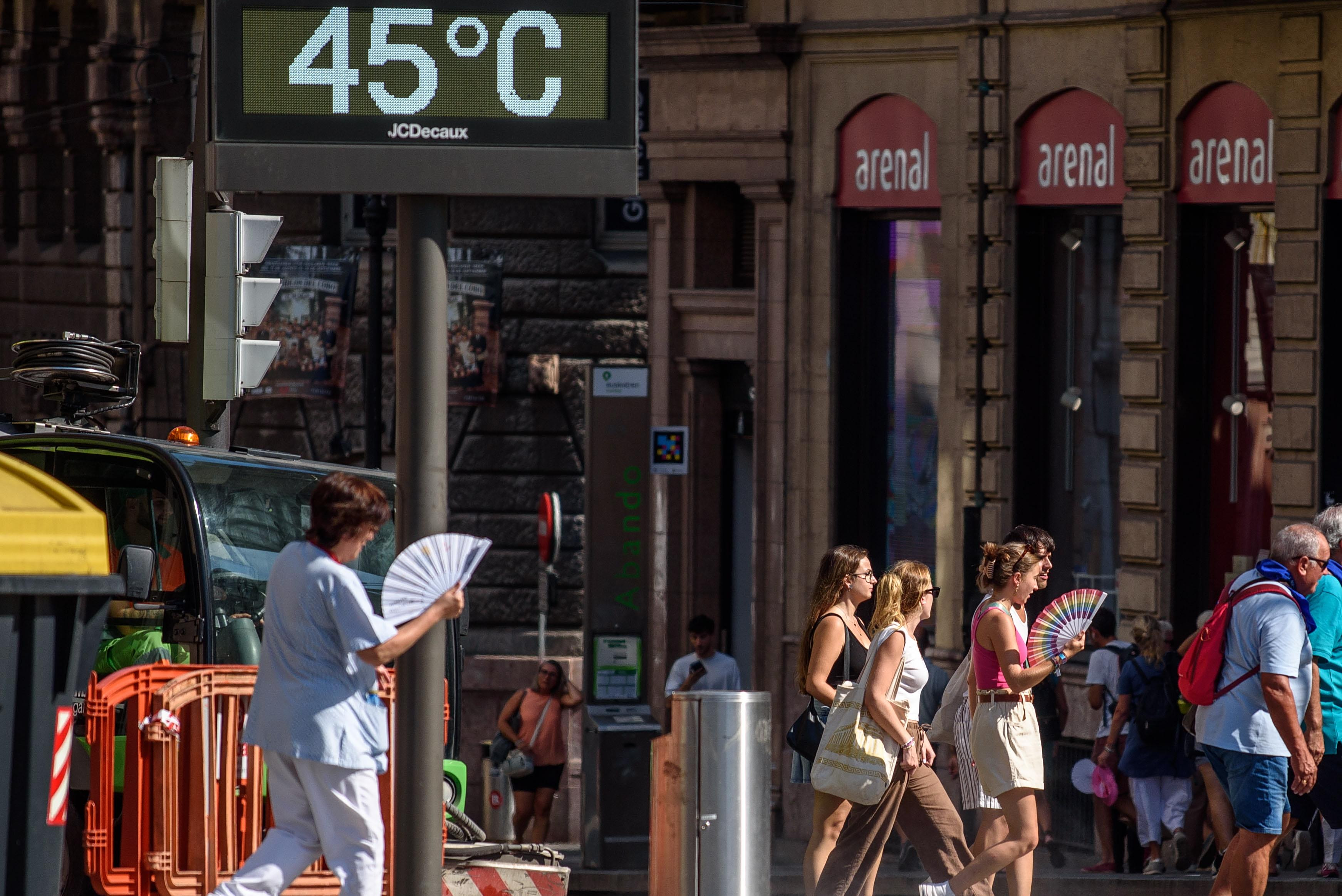
The June meetings took place against an unusually tense backdrop. Geopolitical instability, disruptions to global energy markets and warnings of continued record temperatures underscored the growing gap between climate risks and international action.

People refill their water bottles from a fountain in Green Park during a heatwave as the UK experienced record temperatures for the month of May in London, Britain, May 25, 2026. REUTERS/Kevin Coombs
The biggest political failure: mitigation talks stalled
The most significant setback concerned the UN’s Mitigation Work Program, one of the few formal spaces where countries discuss how to accelerate emissions reductions before 2030.
Negotiators could not even agree on a document summarizing discussions for future talks. Deep divisions emerged over whether the program should focus on implementing existing national climate plans or push countries toward stronger commitments aligned with the Paris Agreement‘s 1.5°C goal.
For vulnerable nations, small island states and many European countries, this was alarming. The program is widely viewed as one of the few remaining mechanisms capable of increasing global ambition at a time when emissions remain near record highs.
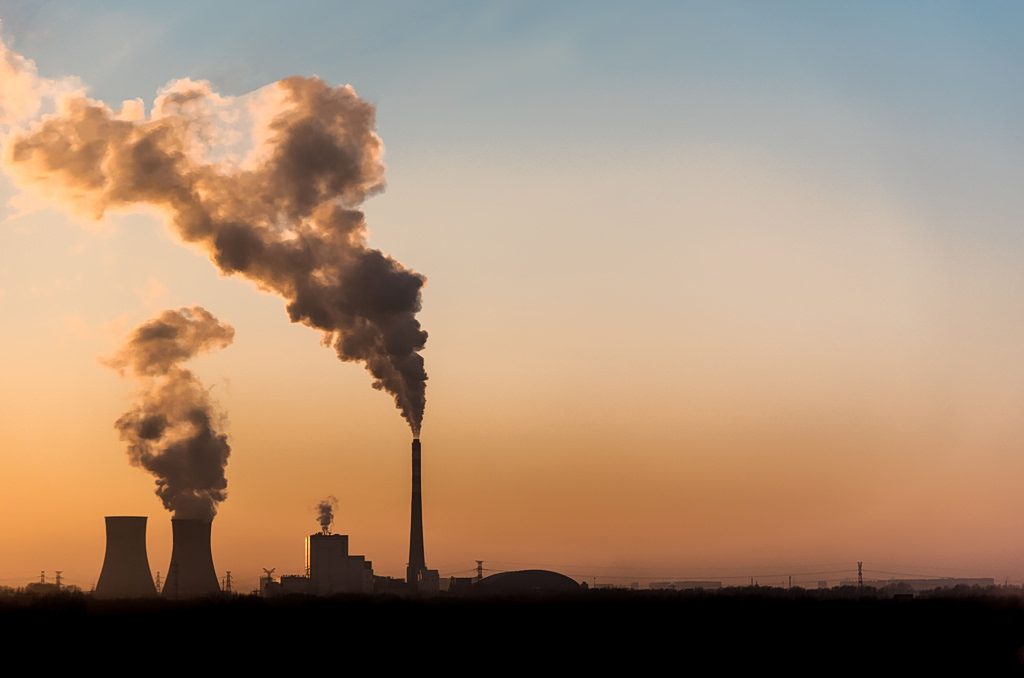
The Trump administration plans to repeal the 2009 “endangerment finding,” removing the legal basis for federal greenhouse-gas regulations and marking the largest U.S. climate-policy rollback to date
The failure also highlights a broader trend in climate diplomacy. Since the landmark agreement at COP28 in Dubai calling for a transition away from fossil fuels, negotiations have increasingly shifted from agreeing on goals to fighting over implementation. That phase is proving considerably harder.
Adaptation indicators and finance language remain stuck
Another major disappointment was the failure to advance work on the Global Goal on Adaptation (GGA), the framework designed to help countries measure whether they are becoming more resilient to climate impacts.
Disputes centered on how adaptation should be measured and, more importantly, who should pay for it. Developing countries pushed for stronger language on scaling up adaptation finance, while several developed countries resisted linking adaptation indicators directly to financial commitments.
The result was paralysis.
For countries already experiencing extreme heat, water shortages, floods and wildfires, adaptation is increasingly becoming as important as emissions reductions. Yet negotiations continue to reveal a fundamental divide: developing nations argue they cannot adapt without significantly more financial support, while donor countries remain wary of creating new obligations.
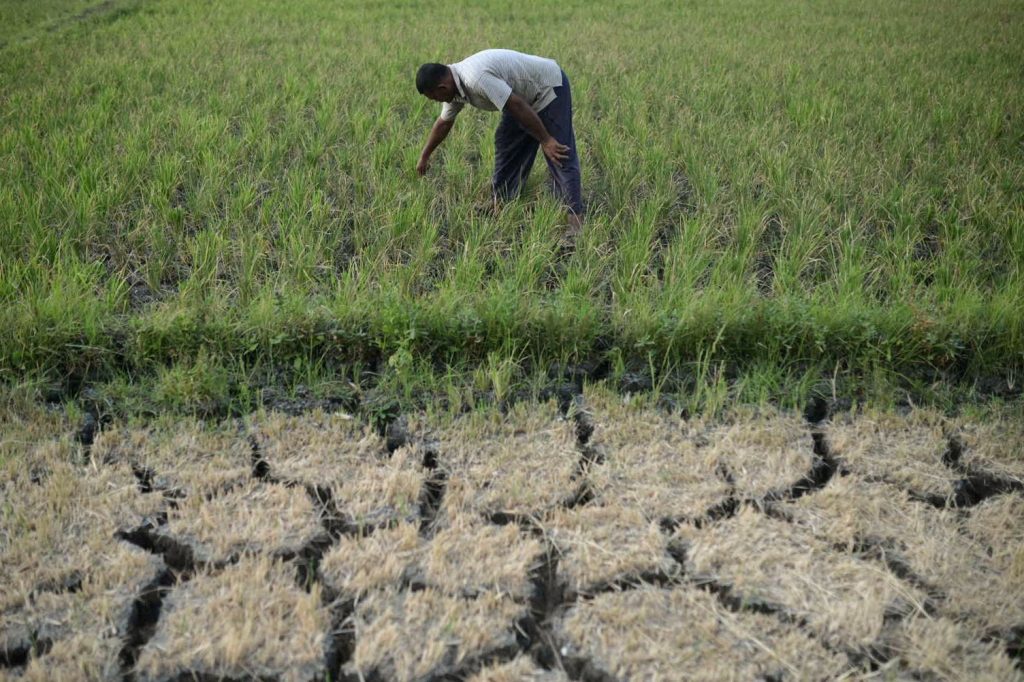
FILE PHOTO: Hasan Basri, 55-year-old farmer, pulls out his rice that failed to be harvested due to a prolonged drought in Aceh Besar, Indonesia, July 31, 2024. REUTERS/Riska Munawarah/File Photo
A few bright spots
Not everything ended in failure.
Countries agreed that the UN Environment Program will continue hosting the Climate Technology Center, which helps developing countries access climate technologies and technical expertise. They also advanced work on technology cooperation, capacity building and agreed terms for reviewing the Just Transition Work Programme.
These decisions may lack the political visibility of emissions targets or climate finance pledges, but they help keep important parts of the Paris Agreement architecture functioning.
Why Bonn matters
For outsiders, Bonn often appears technical and bureaucratic. But these meetings reveal where the real fault lines in climate diplomacy lie.
Three decades after the adoption of the UN climate convention and more than ten years after the Paris Agreement, most countries broadly agree on the problem. They increasingly disagree on who should act first, who should pay, how progress should be measured and how rapidly economies should move away from fossil fuels.
In other words, climate negotiations are no longer primarily about ambition. They are about implementation, finance and burden-sharing.
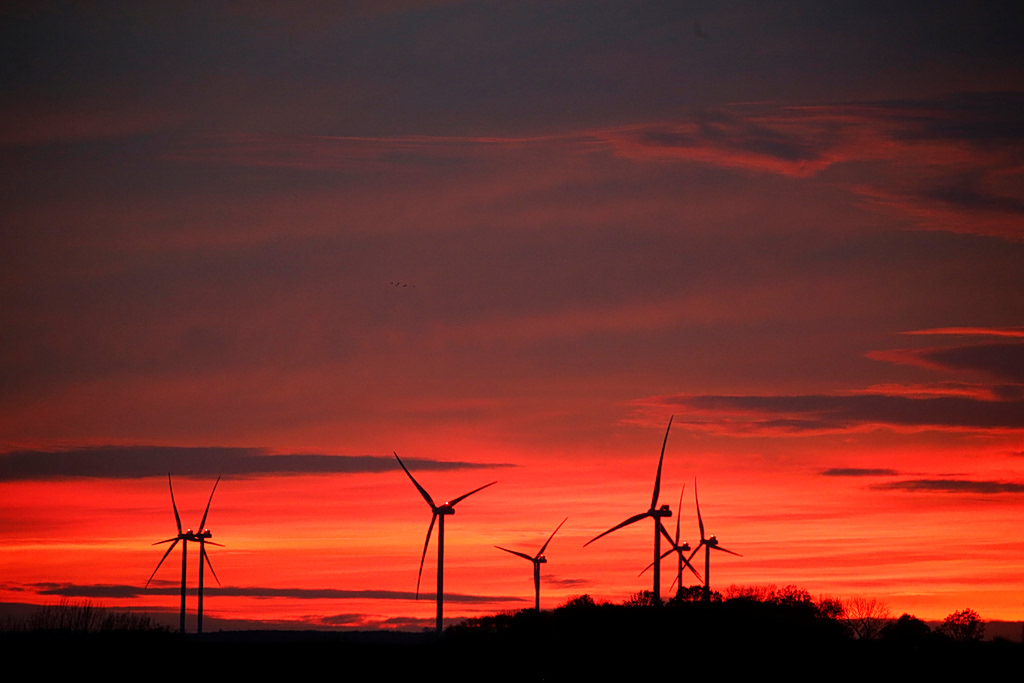
For the first time, wind and solar energy surpassed fossil fuels in the EU’s electricity mix in 2025, with solar output growing over 20% and renewables now supplying nearly half of the bloc’s power.
Those questions are politically sensitive because they touch directly on economic competitiveness, development priorities and energy security.
What comes next
Attention now turns to COP31 in Antalya, where negotiators will attempt to resolve issues left hanging in Bonn.
The conference will also coincide with growing pressure on countries to strengthen their climate plans and demonstrate how they intend to keep the Paris Agreement’s temperature goals within reach.
The risk is that unresolved disputes over finance, adaptation and mitigation ambition continue to consume negotiating time while climate impacts accelerate.
The opportunity is that mounting economic and security concerns linked to fossil fuel dependence may finally push governments toward greater cooperation.
Bonn showed that the climate process is still moving forward. It also showed that the era of easy consensus is over.
The next phase of climate diplomacy will be defined not by promises, but by whether countries can agree on who pays, who acts and how quickly the transition must happen.
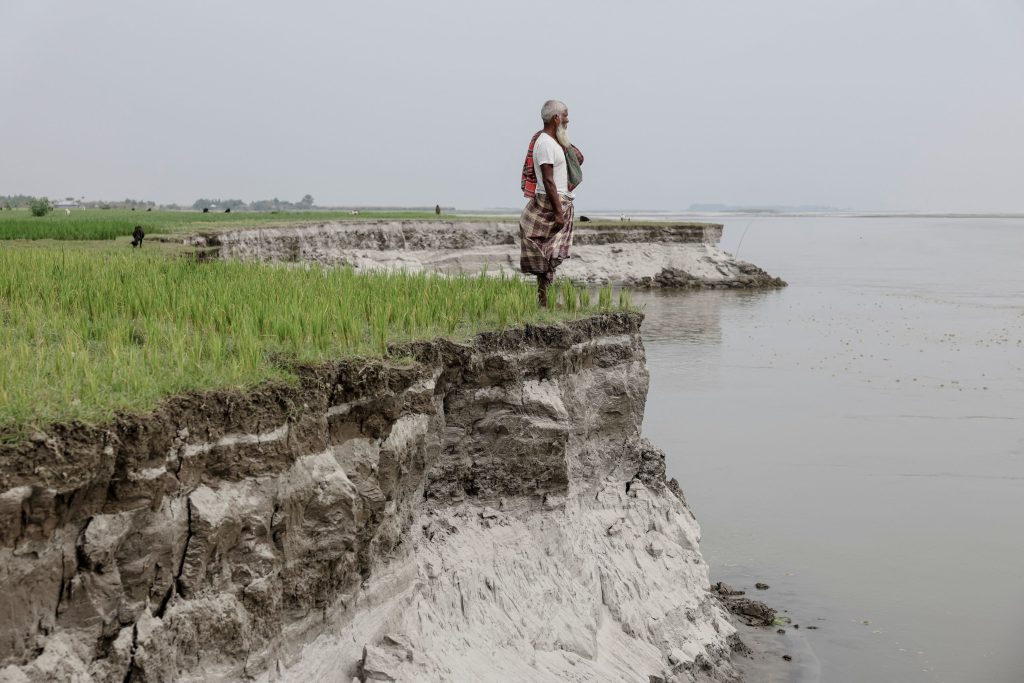
Kosim Uddin, 50, looks toward the site of his vanished home as he poses for a picture on an island in the Brahmaputra River, where he recently relocated due to erosion, in Kurigram, Bangladesh, October 29, 2025. REUTERS/Mohammad Ponir Hossain TPX IMAGES OF THE DAY