 Μake us preferred on Google
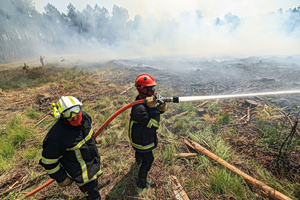
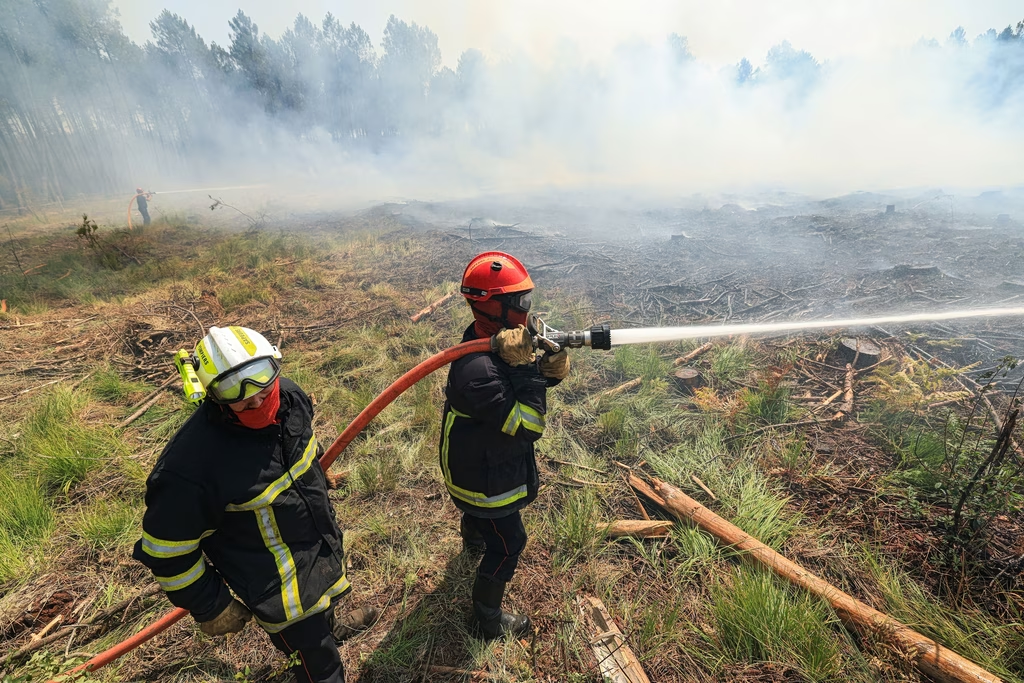
 The massive wildfires that swept through France and Spain last week, burning more than 115,000 hectares (284,000 acres) and forcing more than 320,000 people to evacuate, are the latest examples of what experts describe as “sixth-generation” wildfires—extreme blazes that are becoming more frequent around the world.
According to Domingos Xavier Viegas, a wildfire specialist at the University of Coimbra in Portugal, these fires are no longer isolated summer events but part of a global trend driven largely by climate change.
Higher temperatures, reduced rainfall and lower humidity are leaving vegetation and soil much drier, creating conditions that allow fires to ignite more easily and spread across larger areas, Viegas told Euronews.
Fires That Create Their Own Weather
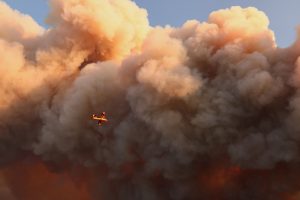
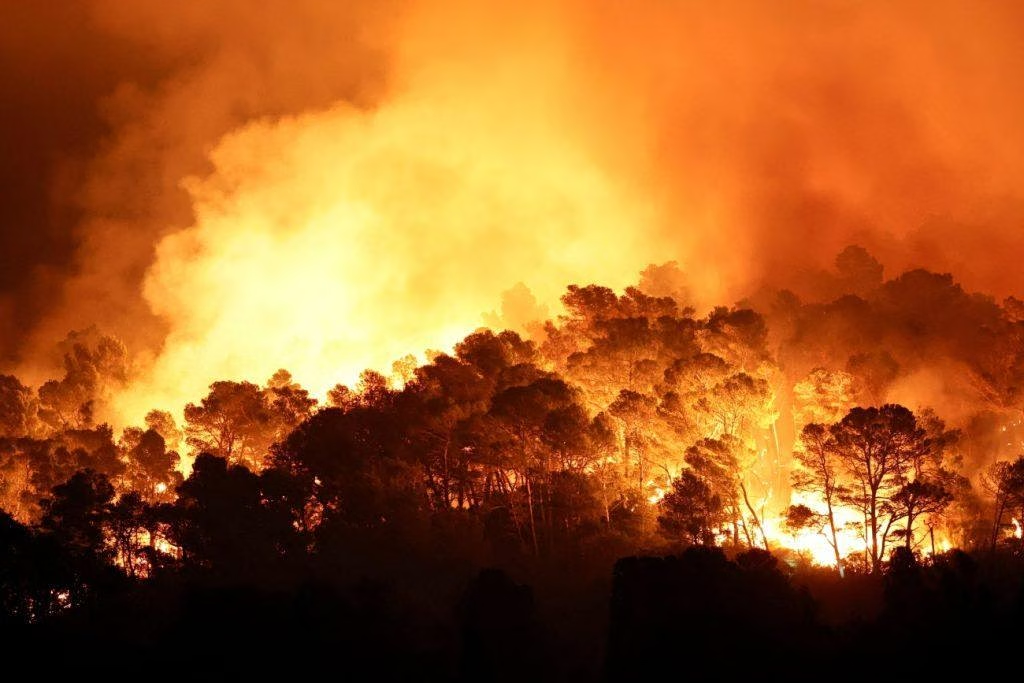
Unlike conventional wildfires, sixth-generation fires release enormous amounts of energy—enough to alter local weather conditions and overwhelm even the most advanced firefighting efforts.
Viegas said that once a fire releases more than 10 megawatts of energy per meter, direct firefighting is no longer effective. Such fires can produce flames around 10 meters (33 feet) high, while the most extreme cases can generate flames reaching up to 60 meters (197 feet).
The intense heat creates massive smoke clouds that can change wind direction, generate lightning and carry burning embers several kilometers ahead of the fire, igniting new blazes and making the fire largely self-sustaining.
A Growing Global Threat
The term “sixth-generation” wildfire gained prominence after the deadly 2017 Pedrógão Grande fire in Portugal and the 2018 wildfire disaster in Greece, each of which claimed more than 100 lives.
Similar fire behavior has since been observed in Chile, Australia, the western United States and Canada.
Viegas said these fires are also occurring outside traditional fire seasons and in regions where they were once uncommon. Recent weeks have seen wildfires not only in southern Europe but also in countries such as Germany, Switzerland and Norway.
Prevention Is Essential
Because the most intense sections of these fires cannot be extinguished directly, Viegas recommends focusing firefighting efforts on the flanks and rear of the blaze while using natural barriers, cleared vegetation or controlled backburns—operations that should only be carried out by authorities.
He stressed that prevention must become a central part of wildfire strategy, alongside public awareness campaigns.
“Even tourists need to be aware of this issue,” Viegas said, noting that many victims of a recent wildfire in Spain’s Almería region were visitors unfamiliar with wildfire risks.
He also urged the public to recognize the limits of firefighting.
“People expect firefighters to extinguish every fire, wherever it is,” he said. “They don’t realize there is a part of the fire that simply cannot be put out. Firefighters should not be expected to risk their lives in a battle that cannot be won.”
According to Viegas, while these fires are particularly destructive in forests, buildings in urban areas can sometimes provide safer refuge than attempting to flee through an active wildfire, making well-planned evacuations and preparedness increasingly important.