
 Μake us preferred on Google
Climate change is no longer measured solely by the destruction left behind by extreme weather. Its effects are increasingly reaching financial markets, influencing how investors assess risk and potentially raising the cost of borrowing for governments and businesses.
The European Central Bank (ECB) highlights this growing connection between environmental protection and financial stability in a recent report, emphasizing the implications for monetary policy and banking supervision.
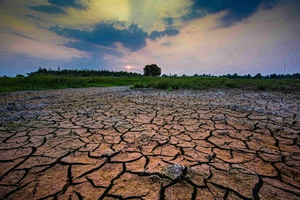
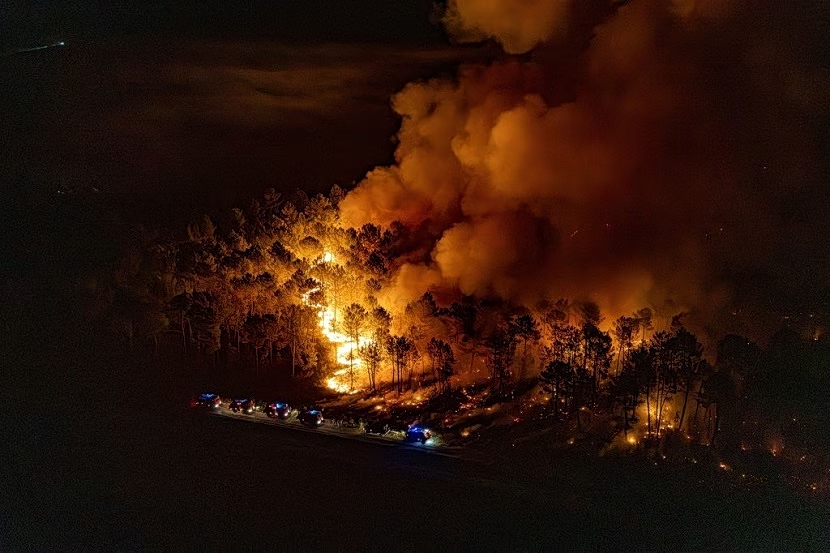
Floods, prolonged droughts and heat waves can lead to higher interest rates for areas most exposed to such risks, ECB economists warn. When investors purchase government or corporate bonds, they consider not only current economic conditions but also the possibility of future losses. As uncertainty increases, investors may demand higher returns to compensate for the additional risk.
The risk of a costly cycle
Climate-related damage can trigger a vicious cycle. A natural disaster disrupts economic activity while increasing government spending on compensation and infrastructure repairs. If borrowing costs rise at the same time, financing the necessary recovery and resilience measures becomes more difficult.
The challenge is particularly acute for economies already facing fiscal constraints.
According to the ECB, these dynamics could widen economic disparities within the eurozone. Countries more exposed to natural hazards may repeatedly face less favorable borrowing conditions, even when they need additional funding to protect their infrastructure and economies.
Financial markets also do not have to wait for a disaster to occur before reacting. Investor expectations already reflect assessments of the likely severity and frequency of future extreme weather events. As a result, tomorrow’s climate risks can influence bond yields today.
The ECB expands its climate and nature agenda
Against this backdrop, the ECB has reviewed the measures it implemented under its climate and nature plan in 2024 and 2025 and announced further action. Its goal is to incorporate environmental risks more systematically into monetary policy decisions and banking supervision.
Key priorities include developing more accurate risk-assessment models, improving the availability and quality of data on banks’ exposure to environmental threats, and changing how collateral accepted in refinancing operations is evaluated.
These measures are intended to provide a more complete picture of how climate-related factors affect asset values and borrowers’ ability to meet their financial obligations.
The ECB’s approach extends beyond global warming and carbon emissions to include the degradation of nature. Biodiversity loss, for example, can disrupt production and supply chains, creating additional risks for businesses, banks and entire economies.
European banks face stricter demands
European banks are under growing pressure to provide more meaningful information about their exposure to climate and environmental risks. Supervisors need this information to assess institutions’ financial soundness and resilience more accurately.
The risks can also be indirect. Companies operating far from disaster-hit areas may still depend on suppliers, transport networks or other parts of their supply chains that are vulnerable to extreme weather.
Assessing these exposures requires continued investment in research, as the methodologies used to measure climate-related financial risks are still evolving. Nevertheless, the underlying shift is already apparent: climate change is increasingly being treated as an issue with immediate economic consequences rather than a distant concern.
The energy transition adds another major financing challenge. According to an EU report cited in the analysis, the investment required in the sector is estimated at €695 billion annually for the period from 2031 to 2040. Mobilizing public and private funding, both domestic and international, will make the financial sector’s role crucial.
Regulatory and supervisory requirements are also encouraging banks to incorporate environmental, social and governance (ESG) criteria into their assessments of business financing. This requires better identification of relevant risks and reliable data on how they affect each borrower’s creditworthiness.
Greece faces a dual challenge
For Greece, the challenge is twofold: limiting the banking system’s exposure to emerging risks while supporting businesses as they transition to more sustainable operations, without leaving smaller or less-prepared borrowers behind.
Greek banks say they have the capital and liquidity needed to finance this process. They also aim to act as advisers, helping businesses of different sizes develop investments that improve both their environmental performance and their competitiveness.
Their range of products includes green loans, deposit products with ESG features and investment options such as mutual funds holding shares in companies that adopt sustainable practices.
Green bonds are also becoming more prominent. Figures presented alongside quarterly financial results indicate that they now account for approximately one-third of the relevant portfolio.
Banks are also publishing sustainable finance frameworks that specify the environmental and social characteristics activities must meet to qualify for the corresponding financing categories.
The central challenge is to ensure that the green transition translates into real investment and credible risk assessment, rather than simply adding a new label to banking products. As climate risks increasingly affect financing conditions, the financial sector’s ability to measure those risks and direct capital toward sustainable projects will become ever more important.