
 Μake us preferred on Google
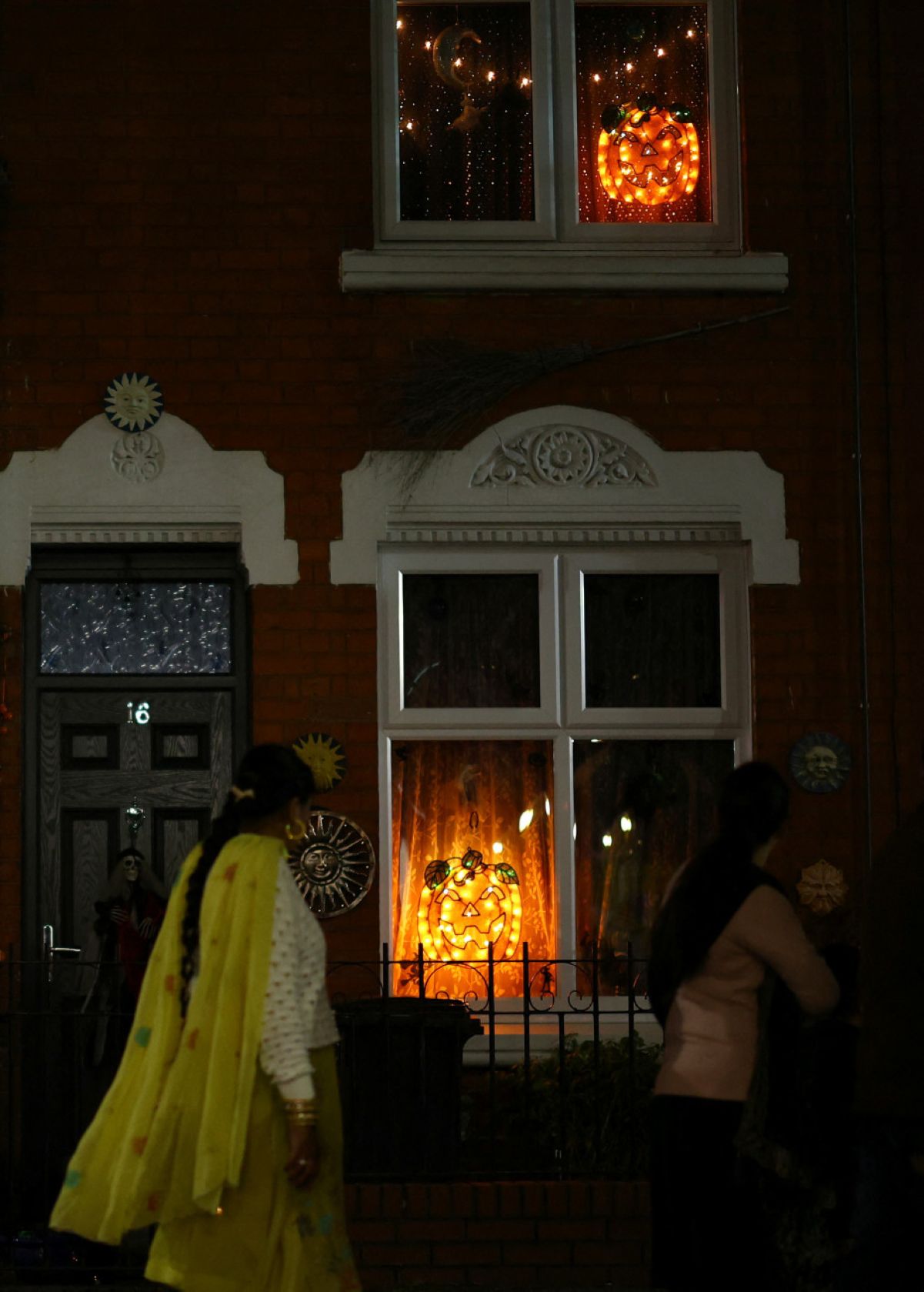
 The colors of fall, pumpkins on supermarket shelves, photos bathed in warm orange light, and steaming mugs on balconies — all signs that the “spooky season” has arrived. Each October, Athens transforms quietly — not into a horror movie set, but into something subtler: a collective mood, a kind of autumnal delirium that wavers between nostalgia and escape.
A Foreign Holiday, Translated
Halloween, the festival that has swept across Greece, isn’t Greek at all. It arrived imported — packed with crows, ghosts, bats, and flickering porch lights — and, as always, once filtered through Greek everyday life, it changed form. The Greek autumn has no mist; it has damp air, cats on sidewalks, and the smell of burning wood from fireplaces in Kaisariani, Lycabettus, or Kifisia. Here, fear doesn’t come from the supernatural, but from the real — bills, traffic, the evening news. So Halloween found its place not as a foreign fad, but as a small escape, a wink at darkness with aesthetic irony.
The Local Version
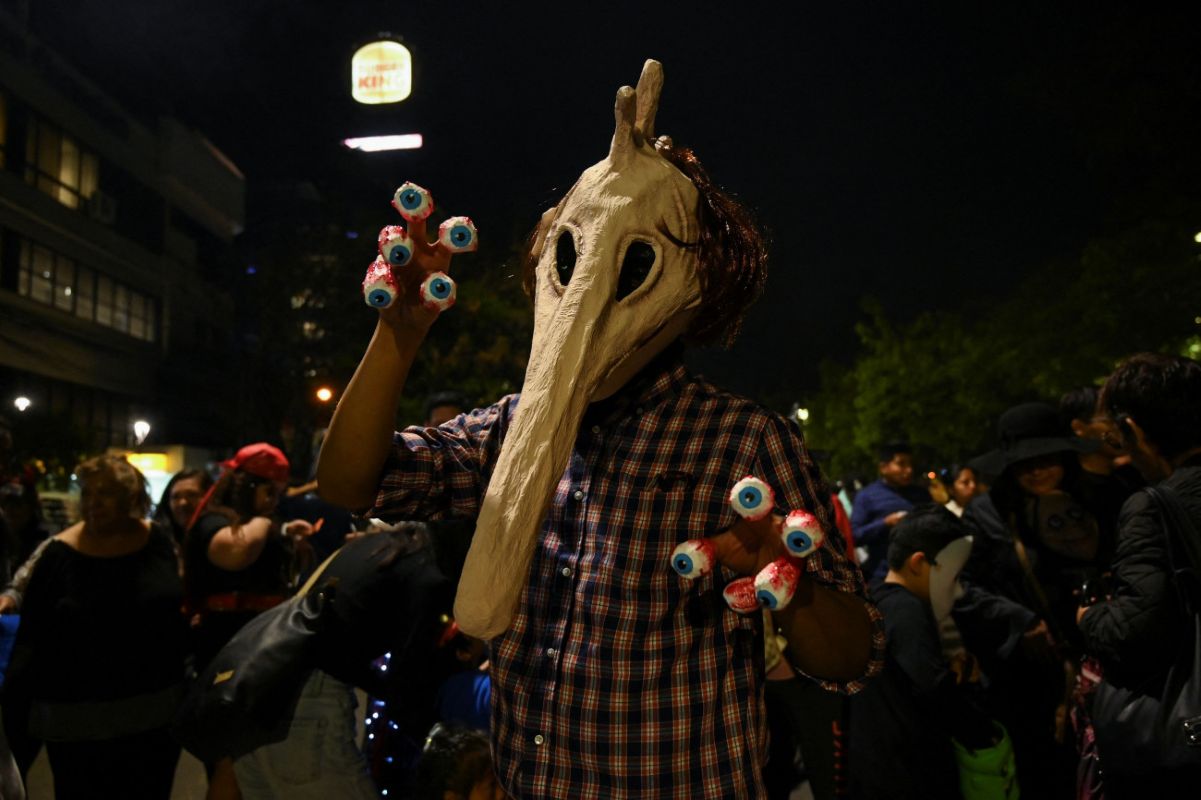
Greek children don’t go door to door chanting “trick or treat,” but they do dress up at school parties — Tim Burton brides, witches, or Wednesday Addams. Adults sip wine, watch horror films, light candles, and photograph their glow. The pumpkin carvings are replaced by mood lighting and quiet conversation. Through this subtle translation, the borrowed ritual grows its own soul.
From Dionysus to Dracula
It’s not the first time Greece has adopted a foreign custom and made it its own. Valentine’s Day, once alien, now blooms with pink hearts and chocolates; Christmas trees, imported by King Otto from Bavaria, have become an unquestioned staple. Even ancient Athens had its own “Halloween”: during the Anthesteria, a festival for Dionysus, Athenians cooked offerings for the dead and sent spirits away with the phrase “Out you go, spirits — the festival is over.”
Lighting the Darkness
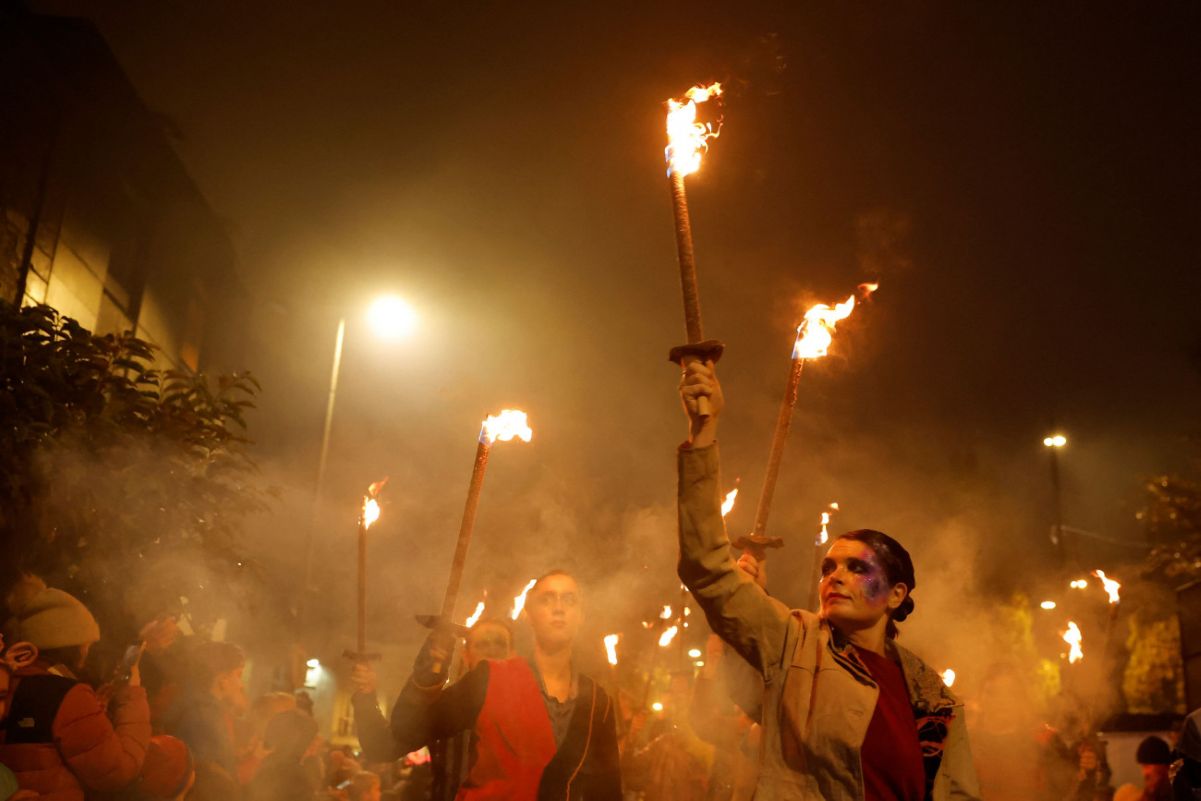
Strip away the commercial trappings of Halloween, and what remains is an ancient human instinct: to acknowledge darkness, to flirt with the unknown. Perhaps that’s why the Greek version feels different — less fright night, more melancholic poetry. A candlelit way of taming fear. Because here, even the shadows come with a touch of beauty.