 Μake us preferred on Google
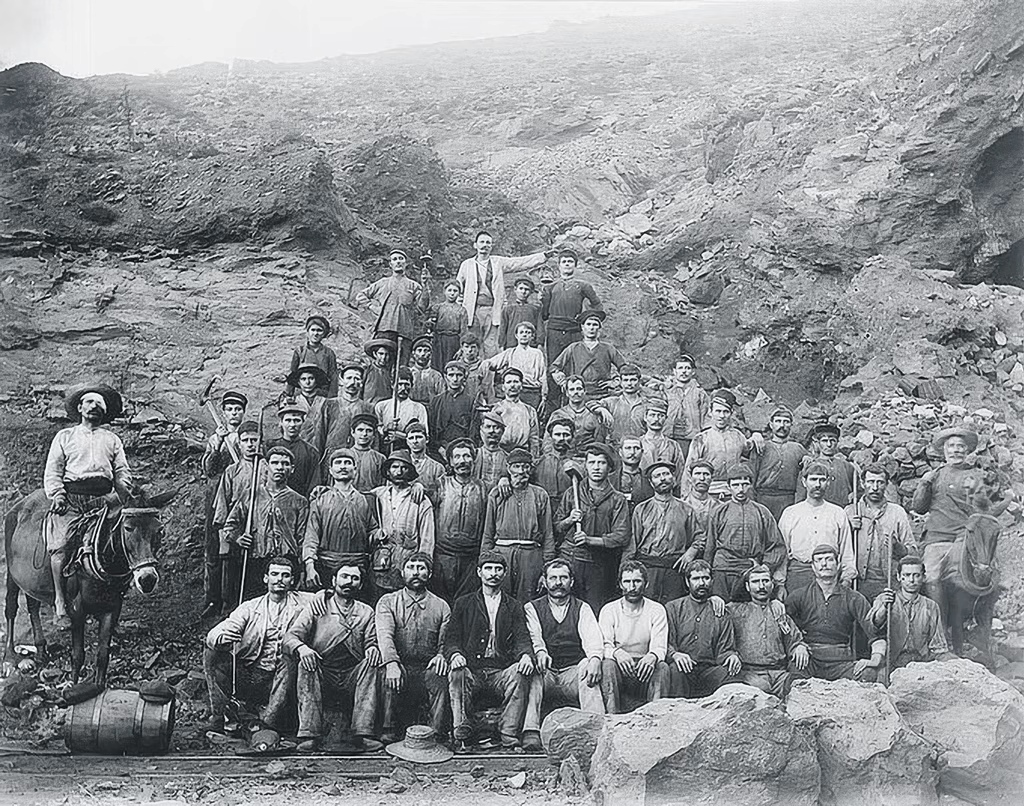
 They slept on sacks stuffed with straw, their faces were blackened by dust, their clothes worn and their shoes fitted with metal studs like horseshoes. These hardscrabble workers toiled under the faint light of acetylene lamps, earning a paltry two drachmas a day while watching for the slightest sign that the mine around them might collapse.
These were the “metalliótes” — the miners of Serifos, whose lives unfolded deep underground in the mostly arid island’s mining belt around the Megalo Livadi and Koutalas settlements.
Their memories are now bringing those abandoned galleries back to life.
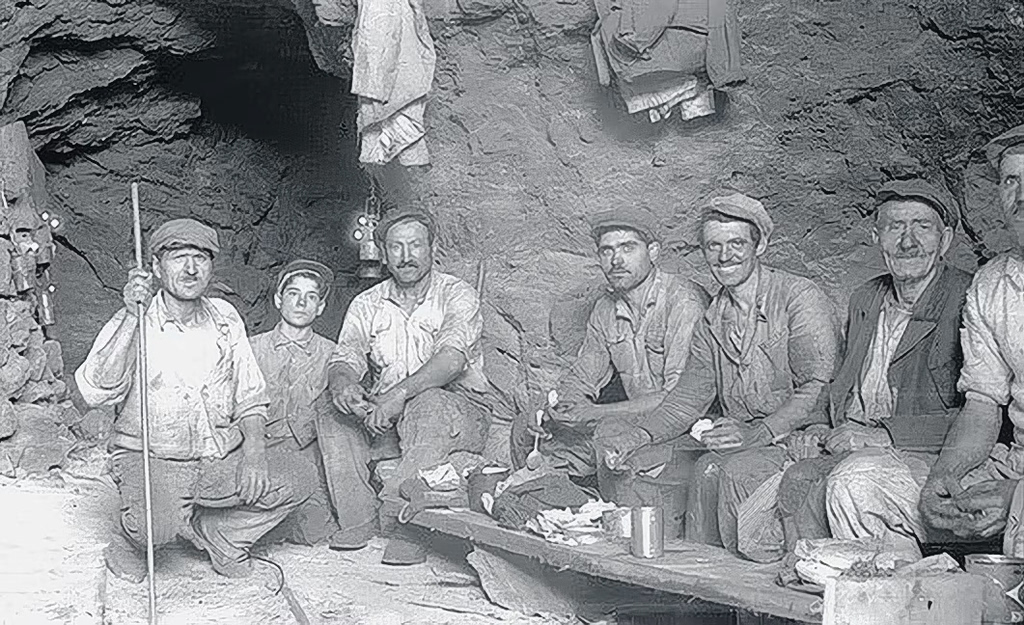
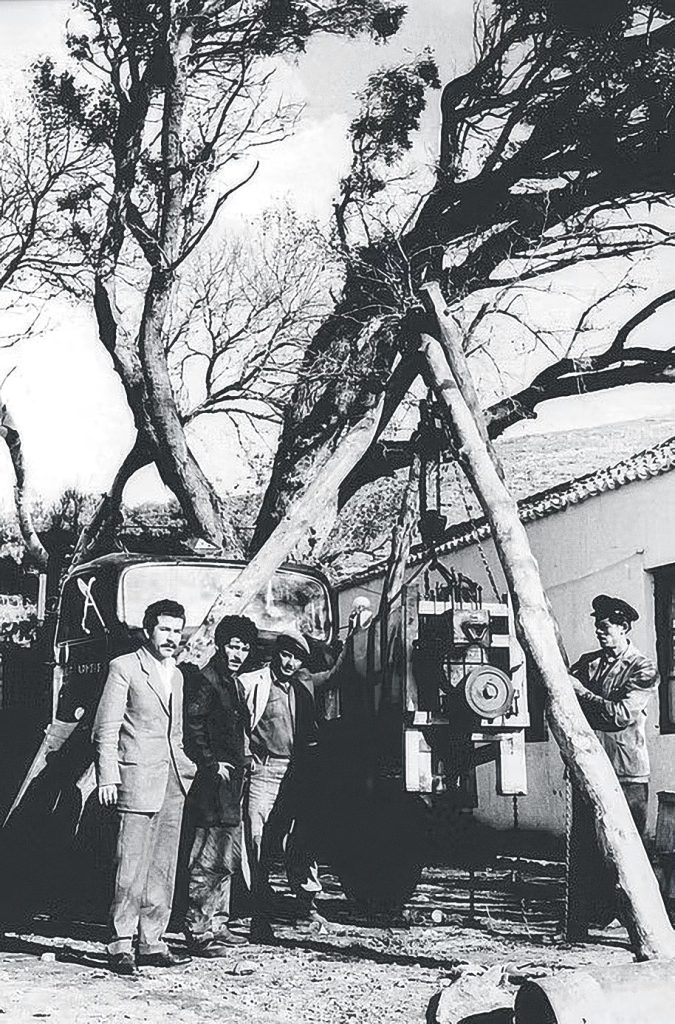
Ten former miners and descendants of miners have shared their stories for a new oral-history project documenting the island’s mining heritage. More than 250 photographs accompany their testimonies, capturing not only life underground but the wider community that grew around the mines: workers who arrived from other Cycladic islands, from Evia and mountainous Epirus on the mainland, as well as doctors, merchants and families.
The project, titled “The Living History of the Serifos Mines,” was conducted over an entire year by the Serifos Society for Cultural Heritage and the Environment, as part of the Cycladic Identity initiative of the Museum of Cycladic Art.
At its core are memories of poverty, fear and exhausting work in the island’s iron-ore mines. For some former miners, the psychological effects lasted long after they left. One recalled that for years he instinctively looked for an escape route whenever he entered an enclosed space.
The project also preserves a valuable archive tracing Serifos’ mining history from antiquity until the mines finally closed in 1965.
The 1916 Strike
One of the defining moments came on Aug. 21, 1916, when miners at Megalo Livadi refused to load an ore ship, demanding an eight-hour working day, higher wages and better safety measures from German mine owner Georg (Georgios) Grohman.
The strike escalated into an armed confrontation with the gendarmerie, leaving victims on both sides. Two years later, the eight-hour day was introduced for underground mining work in Greece, helping pave the way for its wider adoption.
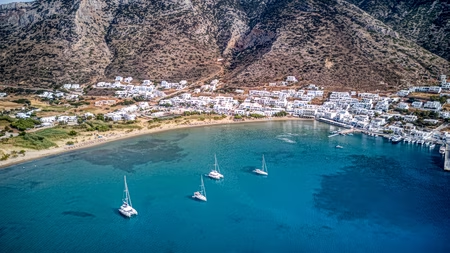
Today, Serifos is better known as a rugged Cycladic destination and an increasingly popular summer island, but its industrial past remains deeply embedded in its landscape.
The new mining archive is intended to make a Serifos of yesteryear accessible to visitors as well. A printed and digital album will present the collected material, while QR codes installed at former mining sites will allow visitors to hear directly from the people who lived and worked there.