 Μake us preferred on Google
EU finance ministers are discussing proposed changes to tobacco taxation at a meeting in Brussels today, Monday, Nov. 9, with Greece seeking more time to implement new rates that could push up cigarette prices.
The European Commission wants to raise minimum excise duties on cigarettes and extend EU tax rules to electronic cigarettes, heated tobacco products and newer nicotine products. The Irish presidency is working to secure an agreement among the 27 member states, although the proposed tax rates and timetable remain under negotiation. The Irish presidency is seeking to secure an agreement among the EU’s 27 member states, but changes to tobacco taxation require unanimous approval. If ministers fail to reach a deal, negotiations could continue under the next rotating EU presidency.
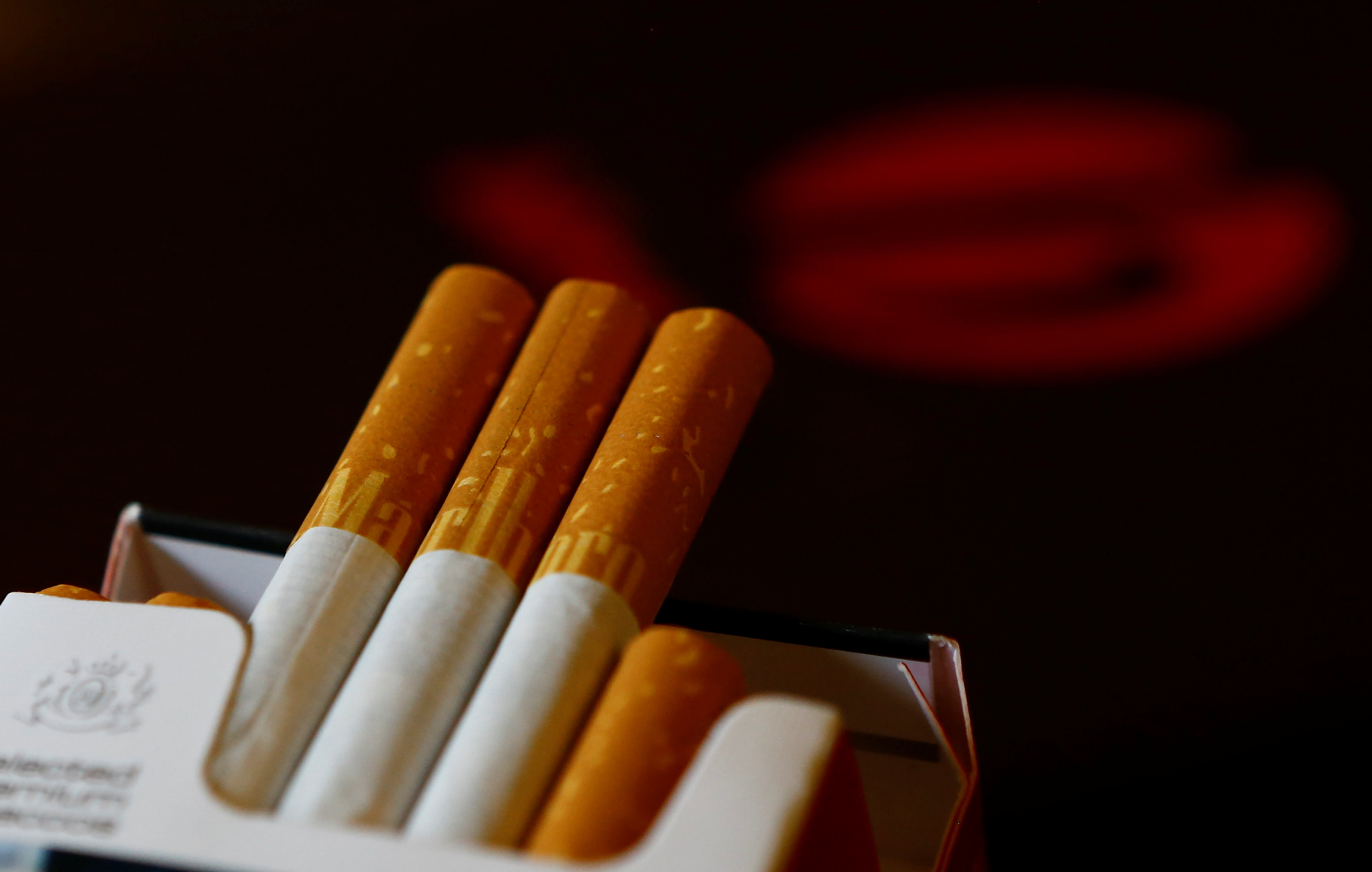
In Greece, where a pack of cigarettes currently costs between 4.20 and 5 euros, depending on the brand, the impact on retail prices will depend on the final agreement and how much of the additional tax manufacturers pass on to consumers.
How Much Tax Do Smokers Pay in Greece?
Although cigarettes are relatively cheap in Greece compared with much of the EU, taxes account for a larger share of their retail price than the bloc’s average. According to 2026 data, excise duties and VAT make up nearly 85% of the average pack price in Greece, compared with about 82% across the EU.
The country’s excise tax consists of a fixed charge of 82.50 euros per 1,000 cigarettes and an additional 26% of the retail selling price. A minimum total excise duty of 117.50 euros per 1,000 cigarettes also applies, equivalent to 2.35 euros for a standard pack of 20. For a pack retailing at 4.80 euros, excise duties amount to approximately 2.90 euros. Including the 24% VAT already incorporated into the selling price, the total tax burden reaches about 3.83 euros.
Under the European Commission’s original proposal, the minimum excise duty would rise to 215 euros per 1,000 cigarettes, compared with the current EU minimum of 90 euros. The proposal would also require total excise duties to account for at least 63% of the weighted average retail price, up from 60%, subject to exemptions and adjustments based on national price levels.
However, the latest compromise drafted by the Irish presidency sets out a more gradual increase. According to details reported by Italian newspaper La Repubblica, the revised plan would raise the minimum excise duty to 140 euros per 1,000 cigarettes in July 2028, followed by 170 euros in 2030 and 200 euros in 2032.
Could a Pack of Cigarettes Cost 13 Euros?
The potential impact on Greek consumers has prompted speculation about how high cigarette prices could climb. Under the Commission’s original proposal, raising the minimum duty from the 117.50 euros currently stipulated by Greek law to 215 euros per 1,000 cigarettes represents a difference of 1.95 euros per pack of 20. That does not, however, mean cigarette prices would automatically rise by 1.95 euros. Actual excise duties on many cigarettes sold in Greece already exceed the national minimum, while the final retail price also depends on proportional taxes, VAT and manufacturers’ pricing decisions.
Some published scenarios based on the Commission’s original proposal have put the price of a pack as high as 13 euros. These are hypothetical estimates, not prices that follow directly from the proposed EU tax thresholds.
An earlier analysis by the Greek Centre of Planning and Economic Research (KEPE) examined scenarios in which cigarette prices increased by between 41.7% and 569.6%. The estimates ranged from 5.91 euros per pack in the least severe scenario to 27.92 euros in the most extreme. They were scenario calculations, not forecasts of the outcome of Monday’s negotiations.
Greece Pushes for Transition Period Until 2036
Greek Economy and Finance Minister Kyriakos Pierrakakis, who also chairs the Eurogroup, said in late October that Greece and other member states had reached a compromise to moderate the proposed tax increases and extend the period for full implementation from 2028 to 2036. This arrangement remains subject to final agreement among EU governments.
Athens has argued that sharply increasing cigarette taxes could encourage smuggling, reduce legal sales and undermine tax revenue. The Greek government has also raised concerns about the competitiveness of the domestic tobacco industry, including its investments and exports.
Italy and Romania have expressed similar reservations, while disagreements among member states also extend to how newer nicotine products should be taxed.
Cigarette Smuggling Complicates EU Tax Debate
Data from France, where high tobacco taxes coexist with a large illicit cigarette market, have also become part of the discussion as the negotiations progress According to a KPMG report published in June 2026 and commissioned by Philip Morris International, illicit cigarettes accounted for 41.4% of total cigarette consumption in France in 2025, up from 37.6% a year earlier. The report estimated that 20.5 billion illicit cigarettes were consumed in France during the year, while legal domestic cigarette sales fell by approximately 9%.
The figures suggest that a decline in legal cigarette sales does not necessarily correspond to an equivalent reduction in overall smoking, as consumers may obtain cigarettes through illegal channels or outside the official domestic retail network. They do not, however, establish that higher taxes alone caused the expansion of the illicit market.
Across the EU, the same study estimated illicit cigarette consumption at 41.8 billion units in 2025, representing potential tax revenue losses of 16.7 billion euros.
Source: TA NEA