 Μake us preferred on Google
European governments are looking for billions of euros in additional funding to protect households and businesses from rising energy prices, even as a proposal to cut €141 billion from the European Union’s next long-term budget is under discussion in Brussels. The proposed cuts come as Europe faces renewed pressure from higher energy costs, rising defense spending and more expensive government borrowing, leaving governments with limited room to finance new support measures.
The proposal, presented by the Irish presidency on Oct. 10, would reduce the European Commission’s initial budget plan for 2028 to 2034 by 8%. The European Parliament has already opposed the proposed cuts.
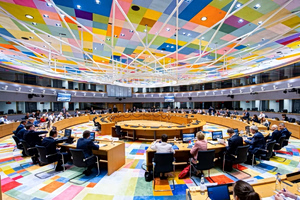
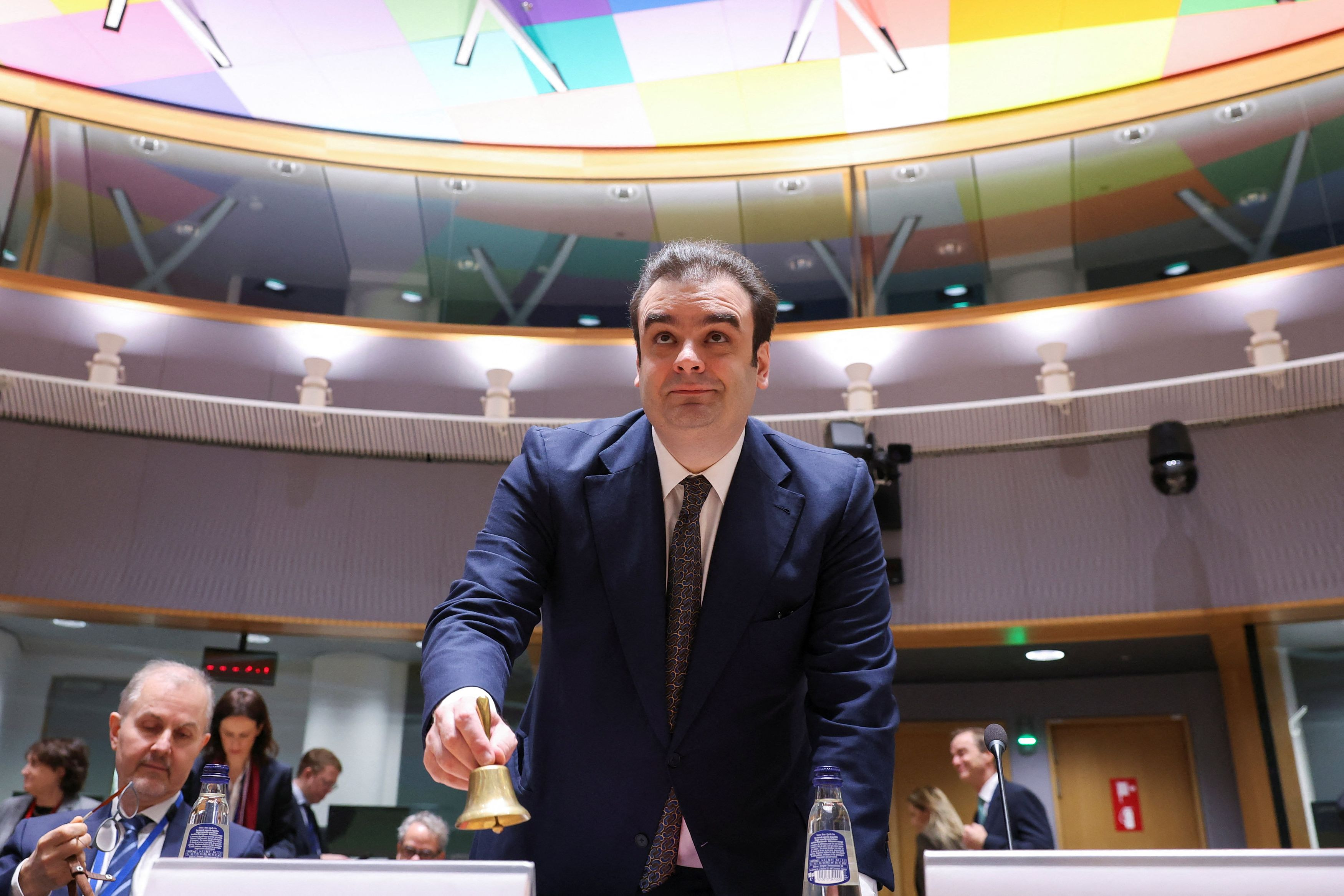
The competing financial demands will form the backdrop to the Eurogroup meeting on Monday, Nov. 9, when eurozone finance ministers will discuss the economic consequences of the energy crisis. Member states have different capacities to provide financial assistance, and no common mechanism for financing additional support has been agreed upon.
Lower Gas Reserves Raise Concerns Ahead of Winter
The European Union is entering the winter months with lower natural gas reserves than a year earlier, raising concerns about its ability to withstand a prolonged cold spell or further disruptions to supply. At the end of October, EU gas storage facilities were 75% full, compared with 83% at the same point in 2025. In addition wholesale gas prices briefly approached €100 per megawatt-hour.
The impact extends beyond household heating bills. Higher energy costs are feeding into transportation, industrial production and services, adding to inflationary pressures and reducing household purchasing power. The social implications are alsomsubstantial. According to figures cited by the European Commission, nearly 50 million Europeans struggle to heat their homes adequately.
At an Oct. 29 meeting of EU energy ministers, Energy Commissioner Dan Jørgensen acknowledged the need for temporary measures, including interventions involving fossil fuels. His remarks reflected the growing emphasis on addressing immediate energy costs alongside the EU’s longer-term transition to cleaner energy. However, the discussions produced no consensus on how to finance additional measures.
Higher Borrowing Costs Restrict Spending Options
Higher borrowing costs are making it harder for European governments to offer the kind of extensive financial support they provided during the previous energy crisis. Yields on 10-year government bonds have risen in major European economies. France is already under pressure to rein in its public finances, while Italy’s high debt levels leave little room for additional spending.
Against this backdrop, proposals to relax EU fiscal rules have met resistance, even from governments that agree consumers need protection from rising energy prices. Not every country can afford the same level of subsidies, particularly if additional borrowing risks unsettling financial markets. Without a common EU approach, households and businesses could end up receiving very different levels of support depending on where they are based.
The divisions are also evident in negotiations over the EU’s next long-term budget (MFF). Under a proposal from the Irish presidency, the EU would spend €1.62 trillion between 2028 and 2034. That is more than the current budget but €141 billion less than the European Commission initially proposed. Germany, Sweden and the Netherlands want even tighter spending limits. The European Parliament, meanwhile, argues that the cuts go too far and would leave the EU short of funds for its new priorities.
The negotiations concern the next seven-year budget, not the subsidies needed to help households and businesses through this winter. But the disagreement is much the same: how much should the EU spend collectively, and how much should individual governments be expected to cover?
Greece Seeks Fiscal Flexibility for Energy Subsidies
Greece is seeking to use additional flexibility under EU fiscal rules to provide immediate financial support to households and businesses. On Oct. 9, EU finance ministers agreed to give Greece more flexibility under the bloc’s fiscal rules, extending an exemption originally granted for defense spending to certain energy security measures. The decision allows additional spending of up to 0.3% of GDP annually, with a cumulative ceiling of 0.6% of GDP for the period from 2026 to 2028, subject to EU fiscal rules. However, the authorization does not automatically cover broad consumer subsidies. Any proposed measures must meet specific eligibility criteria.
The Greek government now wants to allocate €400 million under the arrangement to direct assistance for households and businesses, while retaining €600 million for energy security investments. Together with an additional €200 million in fiscal room included in its 2027 planning, Athens is seeking the capacity to provide up to €600 million in financial assistance. The plan would require EU approval for the proposed use of the funds. It does not constitute an already authorized subsidy package.
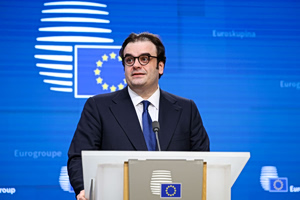
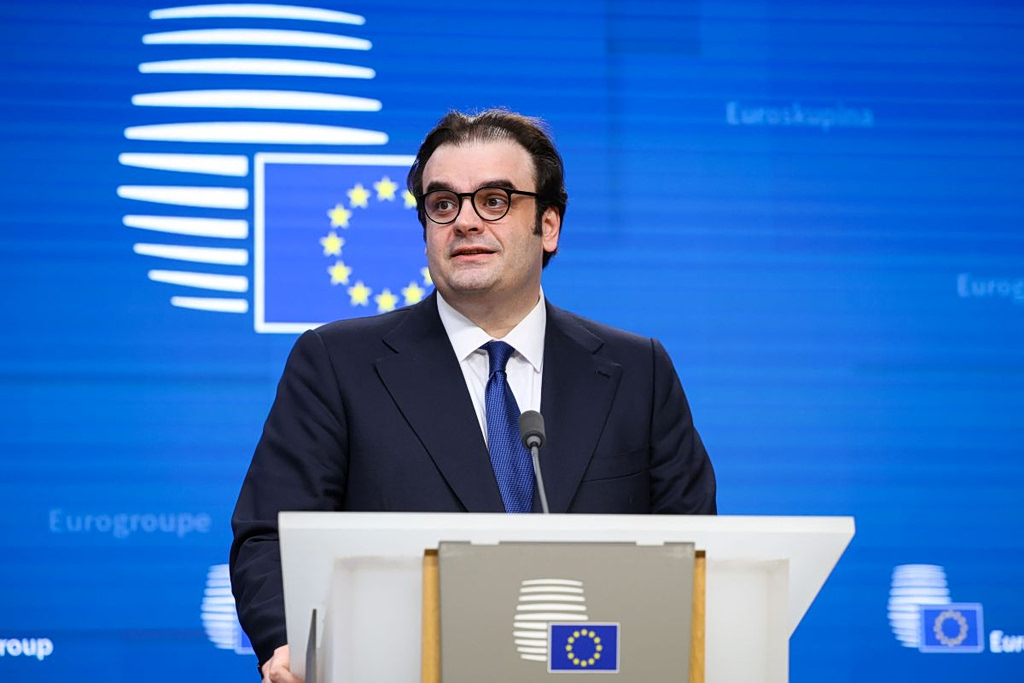
For Kyriakos Pierrakakis, who chairs the Eurogroup, the negotiations involve two closely related priorities: finding common ground among eurozone finance ministers on the economic consequences of the energy crisis, while securing additional room for targeted assistance in Greece without jeopardizing the country’s fiscal trajectory.
A Difficult November for Europe
Monday’s Eurogroup meeting comes at a particularly difficult time for European governments. Energy prices are rising, inflation remains a concern and pressure on government bond markets is making it more expensive for countries to borrow. Finance ministers must weigh the need to help households and businesses against the risk of putting further strain on public finances and undermining the EU’s new fiscal rules.
The divisions are likely to be just as apparent at an extraordinary EU summit on Nov. 26 and 27, when leaders will try to reach a compromise on the bloc’s 2028 to 2034 budget. Some governments want to keep EU spending in check, while others argue that Europe’s growing commitments require more money. The renewed energy crisis has made those disagreements more urgent, but governments have yet to agree on how to pay for immediate relief. And the longer they take to decide how to share the cost, the greater the risk that national governments, businesses and ultimately consumers will be left to pick up the bill.
Source: OT.gr