
 Μake us preferred on Google
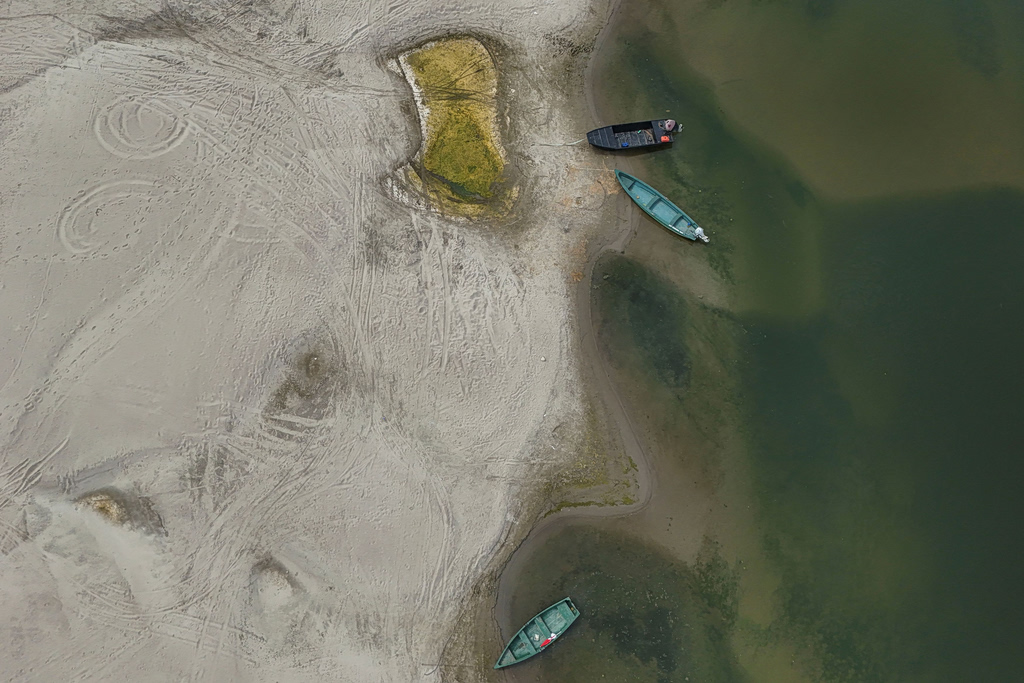
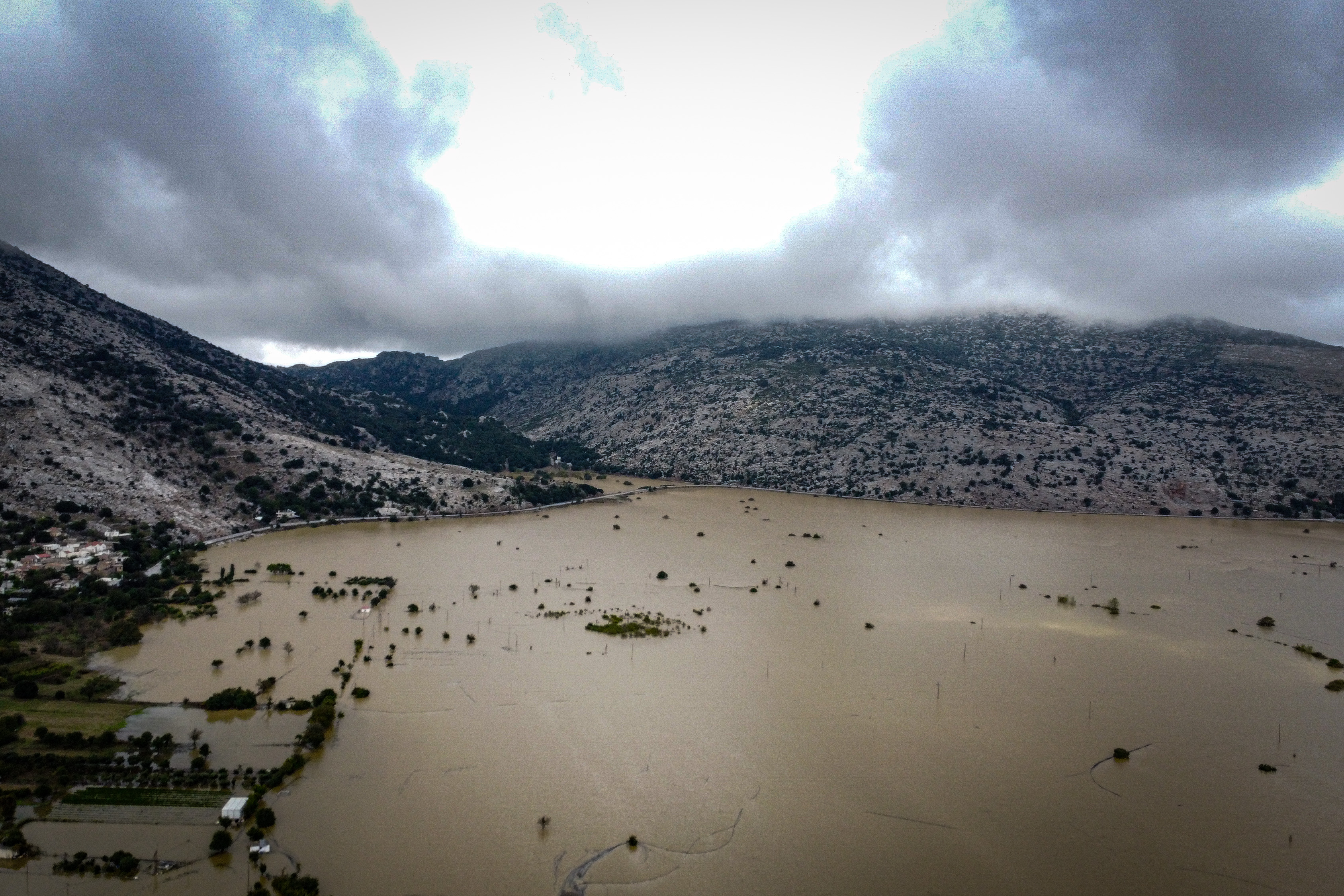
Heavy rainfall across Crete in recent weeks has significantly replenished the island’s water reserves, offering relief after a prolonged period of drought that had raised concerns about supplies for households, agriculture and tourism.
The Aposelemis Dam, a key source of drinking water for eastern Crete, is now more than 85% full, recovering from a record low earlier this year. Meanwhile, the Potami Dam in the Amari area of Rethymno has overflowed for the first time in October, holding 22.5 million cubic meters of water.
The Aposelemis reservoir currently contains 20.7 million cubic meters and is close to full capacity, according to Aris Papadogiannis, CEO of the Organization for the Development of Crete (OAK), which oversees the management of the island’s dams and water infrastructure.
The reserves at Potami are considered sufficient to cover the area’s irrigation needs for the next three years.
The improvement comes after months of concern over water availability, during which local authorities held repeated meetings and planned interventions. Several municipalities across Crete had also been declared in a state of emergency at various times because of water shortages.
Aposelemis reserves could cover two years of demand
The Aposelemis Dam supplies drinking water to Heraklion, Hersonissos and Agios Nikolaos, serving up to 450,000 people during the peak tourist season.
With current reserves, eastern Crete should be able to meet its water needs for the next two years, Papadogiannis told TA NEA.
“It’s very encouraging. Just a month ago, water scarcity was the main topic of discussion at conferences, meetings and consultations,” he said.
The situation is a marked turnaround from February 2026, when the reservoir held approximately 1.35 million cubic meters. The water available for supplying the three municipalities had fallen below 700,000 cubic meters.
Papadogiannis also credited the close cooperation between OAK and the municipal water and sewerage companies it supplies, saying this had helped the organization respond both during difficult periods and when reserves were more adequate.
Potami Dam overflows, but officials urge caution
The Potami Dam in the Amari area of Rethymno began overflowing on Friday, October 30. The event was unprecedented for that time of year, and the 22.5 million cubic meters now held in the reservoir represent a significant boost for the region’s agricultural sector.
However, Papadogiannis cautioned against assuming that the recent rainfall has resolved Crete’s water challenges.
“We must not become complacent. We cannot simply settle for the fact that our reserves have been substantially replenished, because we are experiencing a period of climate crisis while also facing increased tourist arrivals and greater demands from agriculture, both in terms of quantity and quality,” he said.
“Nature has given us an extension, allowing us to organize ourselves better so that we can meet these demands.”
OAK is continuing studies for infrastructure projects aimed at addressing water scarcity and improving the management of available reserves.
One major project already underway is a water treatment plant at the Potami Dam. The facility is expected to enable the supply of drinking water to Rethymno over the next three years.
The project has a budget of €25 million and is intended to improve water availability in Rethymno and its tourist areas while remaining environmentally friendly. Papadogiannis said work had reached a particularly satisfactory stage compared with the progress made in previous years.
Plans to address leaks at Valsamioti Dam
Attention is also focused on the Valsamioti Dam in the Chania region, which has suffered serious leakage problems for an extended period and has consequently been unable to retain the full volume of water for which it was designed.
Although the dam does not currently fall under OAK’s authority, the organization has prepared studies on repairing the leaks and developing a water conveyance network. It is also consulting with the relevant government ministries over the possibility of taking over its management.
Planned interventions include repairing the leaks and building a pipeline network to make the reservoir’s water available for irrigation across the Chania plain. The work is estimated to cost approximately €14 million.
October rainfall reaches record levels
Rainfall measurements recorded across Crete in October illustrate the intensity of the weather systems that replenished the island’s reservoirs.
According to the National Observatory of Athens, the Xyloskalo station in the Samaria Gorge area of Chania recorded 1,011 millimeters of rain between Oct. 1 and 18, 2026 — a record amount.
Other locations also registered substantial rainfall during the period:
- Farangi: 764 millimeters.
- Anogeia, Rethymno: 693 millimeters.
- Potami, Lasithi: More than 500 millimeters.
The rainfall has provided a substantial boost to Crete’s water reserves, but officials say continued investment in infrastructure and more effective water management will remain necessary to meet the island’s needs.