 Μake us preferred on Google
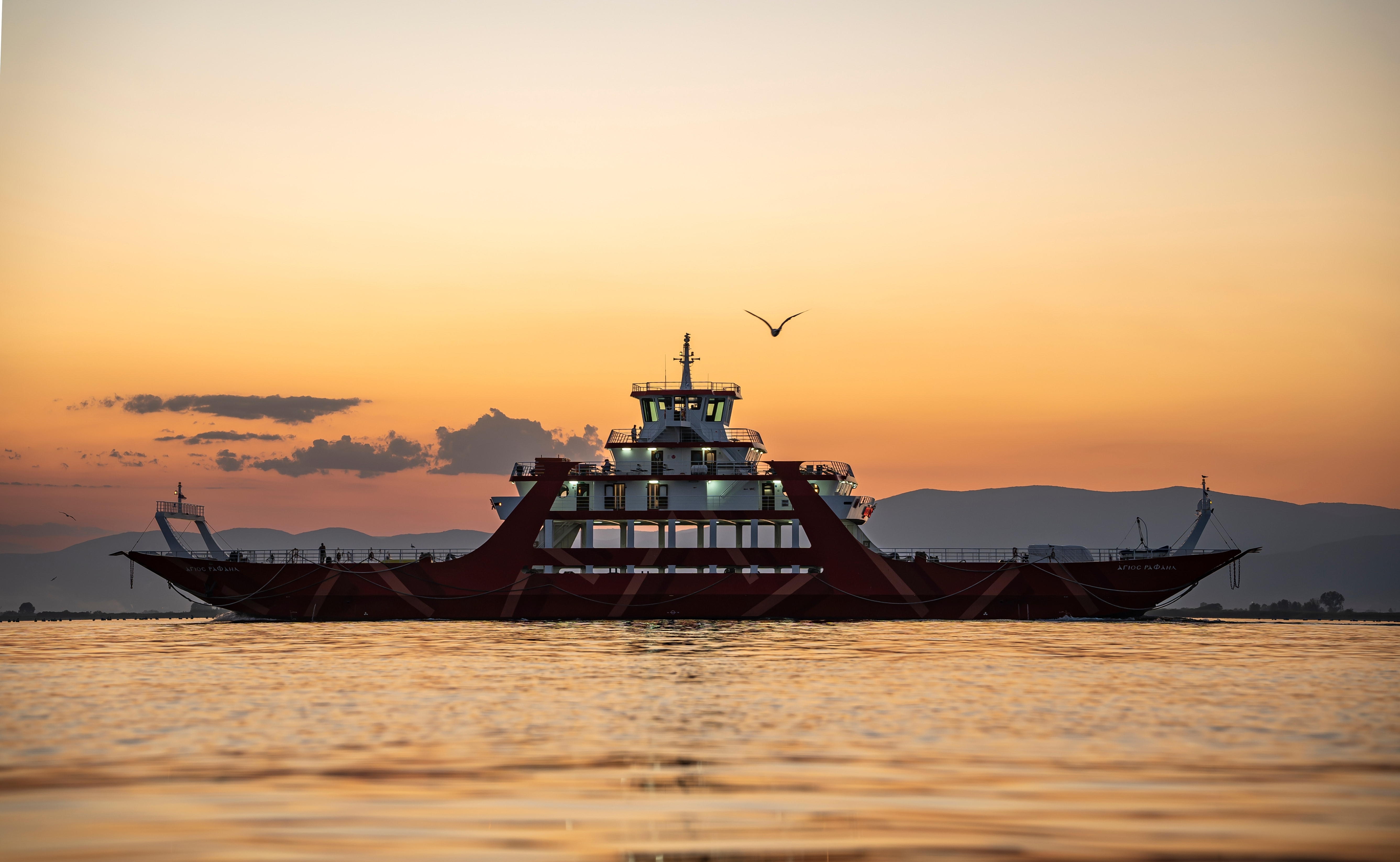
Ferry services to Greek islands are being reduced as rising fuel costs make winter operations increasingly difficult for shipping companies, which are struggling to maintain routes with fewer passengers and shrinking revenues.
Conventional ferries face high operating costs even during the low-demand winter months, when passenger numbers are significantly lower than in summer. With fuel prices having doubled since February 28, operators are reviewing their schedules, reducing sailing frequencies and seeking cheaper ways to connect the islands.
The challenge is to limit companies’ financial losses without leaving island communities isolated or increasing ticket prices — two outcomes the government and Shipping Minister Vassilis Kikilias are seeking to avoid.
High-speed ferries, which carry a large share of the profitable summer passenger traffic, are being withdrawn for the winter. Conventional vessels must continue serving island routes, but the cost of operating each sailing remains almost as high as during the summer, even as passenger numbers and revenues decline.
As a result, trips with low passenger numbers can add to companies’ losses. The higher the cost of fuel, the wider the gap between ticket revenue and the actual cost of providing the service.
Operators are responding by reducing the frequency of sailings, combining stops at different islands and rearranging their fleets to contain expenses. But measures that help companies cut costs can leave island residents with fewer transportation options.
Island communities seek to preserve connections
The changes have already prompted reactions from local communities, highlighting the tension between the financial viability of ferry services and the need to maintain reliable connections for island residents.
In Santorini, Mayor Nikos Zorzos has appealed to Kikilias for ferry services to operate on weekends as well, while also calling for more frequent connections between the Cyclades islands.
In Chios, the government is seeking a funding arrangement to prevent cuts to ferry services ahead of the airport’s closure. The routes were already operating at a loss.
The government is also seeking additional funding from other ministries to help shipping companies absorb rising costs without further reducing sailings or increasing fares.
Government considers fuel subsidy
According to information reported by TA NEA, the fuel subsidy under consideration would provide operators with 16 cents per liter, at a total cost of €30 million to €35 million.
Government officials say the proposed support would come on top of approximately €55 million allocated to compensate ferry companies for mandatory passenger discounts.
However, the additional financial burden facing the sector exceeds €150 million, underscoring the scale of the pressure on operators as they prepare their winter schedules.
Kikilias is seeking further financial support to help maintain connections between the mainland and the islands while limiting the impact of rising operating costs on passengers.