
 Μake us preferred on Google
Europe is on heightened alert over the growing threat of cyberattacks, with experts warning that incidents targeting internet-connected systems are likely to become increasingly common.
The expansion of remotely managed devices, combined with security gaps and the growing capabilities of artificial intelligence, is creating new opportunities for malicious actors to disrupt systems, according to Andreas Karavanas, an AI engineer and computer engineer who spoke to Greek television channel MEGA.
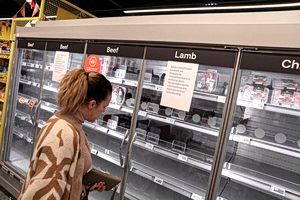
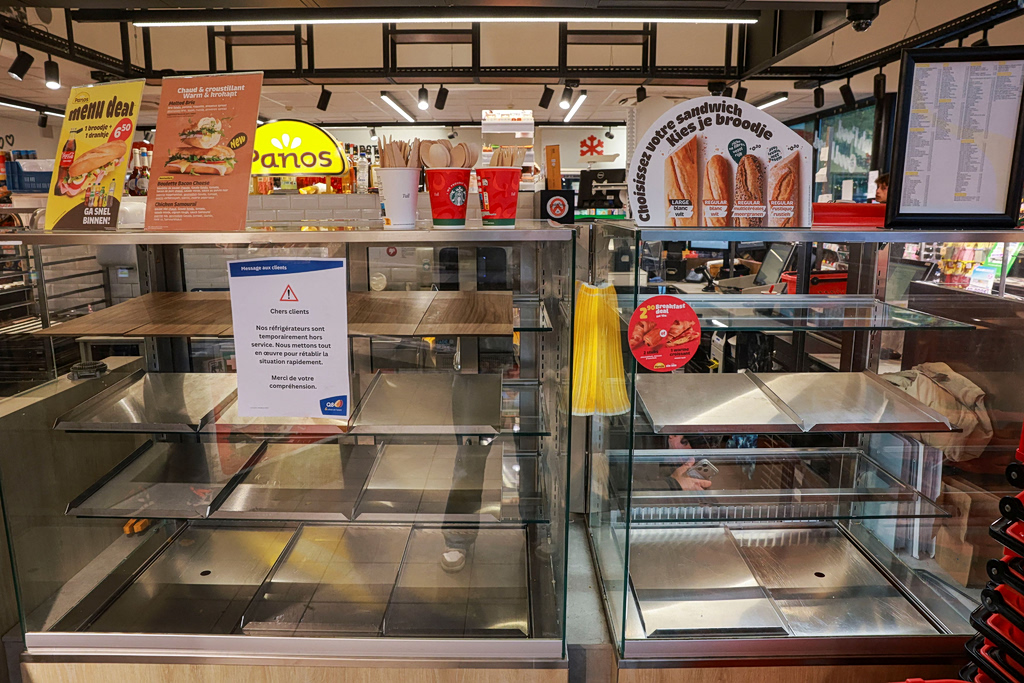
“More and more of these incidents will start occurring,” Karavanas said, pointing to devices such as refrigerators and other equipment connected to the internet so that maintenance technicians can monitor and manage them remotely.
Many of these systems, he explained, have not implemented all the necessary security protocols, leaving them particularly vulnerable to attacks.
The emergence of AI adds another layer of concern because the technology can help identify weaknesses that attackers can exploit to gain access to systems, disable them or alter how they operate.
AI makes large-scale attacks easier
Karavanas noted that cybersecurity vulnerabilities are not new. What has changed is the speed and scale at which they can now be exploited.
“Problems have always existed. They are simply becoming more visible now because AI has much more immediate and faster access to these kinds of systems,” he said.
Artificial intelligence can make it possible to carry out cyberattacks on a much larger scale without requiring the same level of effort, he added.
Despite the growing risks, Karavanas said there was no reason for the public to panic. Instead, he argued, recent developments should serve as a wake-up call for individuals and organizations to take cybersecurity more seriously.
“I don’t think we should be afraid. But I think this gives us the incentive to start protecting ourselves and paying a little more attention to security,” he said.