 Μake us preferred on Google
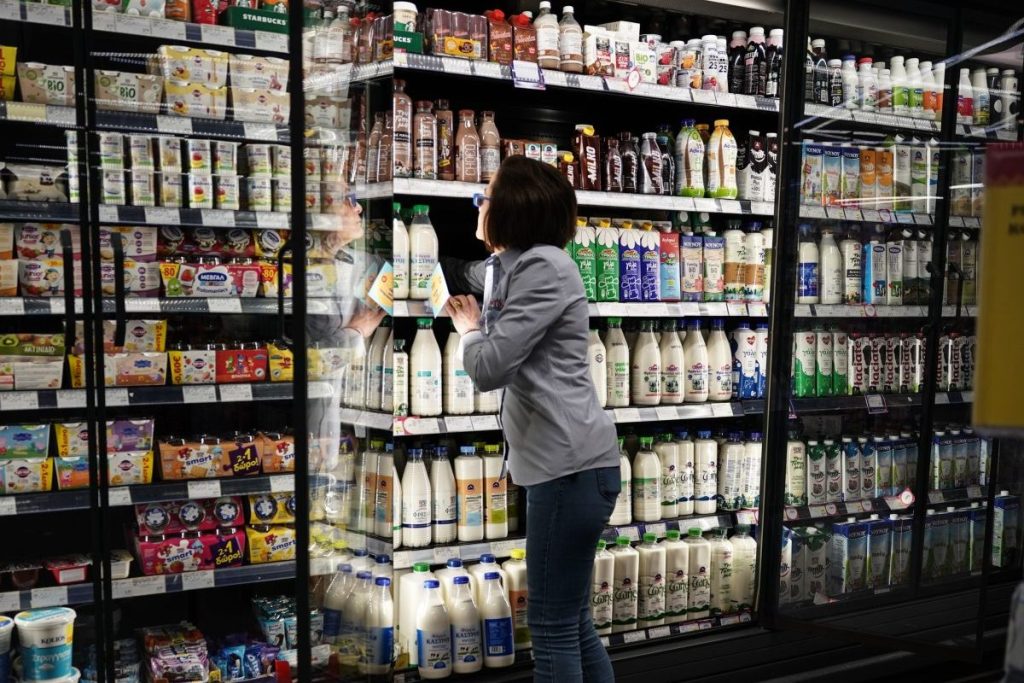
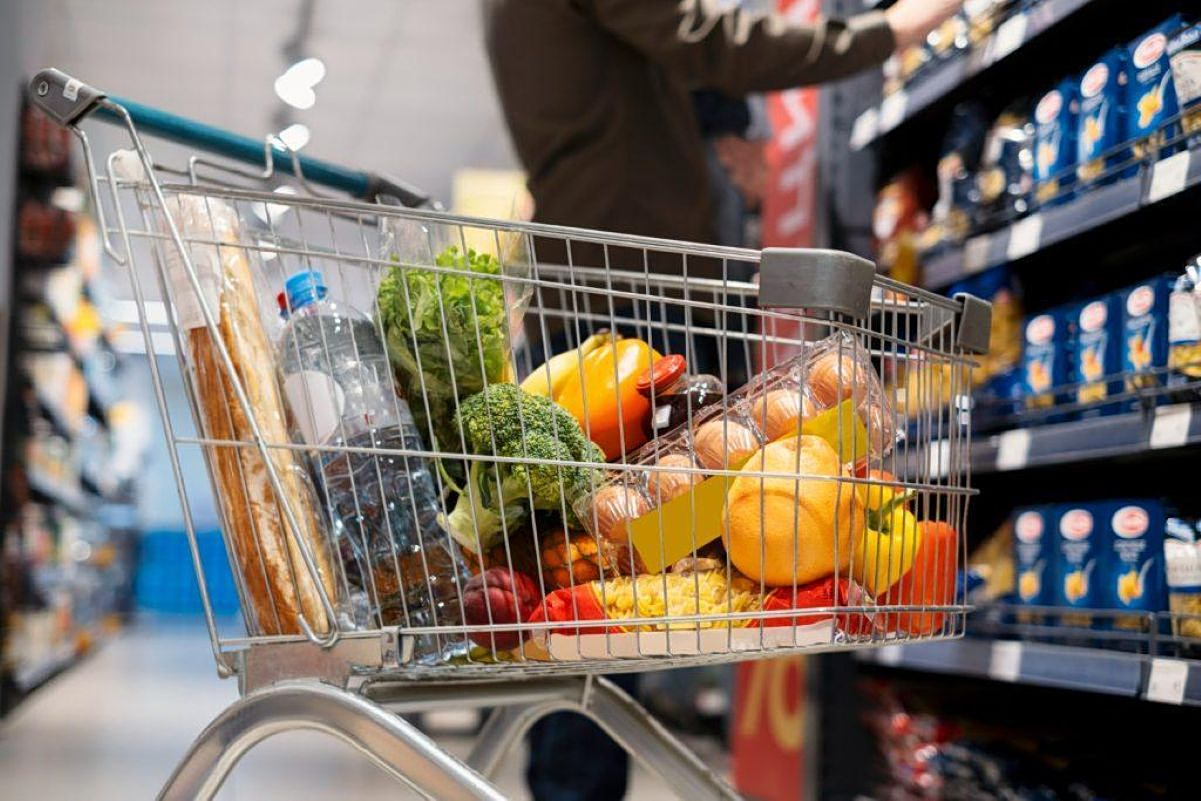
 A growing sense of uncertainty is emerging across Greece’s supermarket sector and among suppliers, as the war continues and oil prices remain above $100 a barrel, putting further pressure on operating costs.
Market sources say the main concern is not the current situation but what will happen after the end of October, when a government-backed price reduction program is due to expire.
Sales volumes have already shown signs of slowing. Over the past two weeks, sales growth has fallen below 3% to 4%, the rate at which the market had previously been growing.
Energy and transport costs add pressure
Energy costs are emerging as a major concern for both supermarkets and suppliers.
Energy companies are already indicating an increase of about €50 per megawatt-hour in the period ahead, a significant additional burden for energy-intensive businesses such as supermarket chains.
At the same time, higher transportation costs are adding further pressure to the cost of distributing products.
Businesses participating in the price-reduction program will continue offering fixed discounts through October 31. From November 1, however, prices are expected to change.
According to market sources, prices will initially return to their levels before August 31, while some products are also expected to see price increases. The number of products affected and the size of the increases cannot yet be determined.
What happens after October?
Despite concerns about prices returning to previous levels, market sources do not expect a broad wave of price increases in November.
Suppliers are expected to rely heavily on promotional offers during the Christmas shopping period. The sources said that raising prices would make it more difficult for companies to use the term “offer” in their promotional campaigns over the following three months.
The more difficult period could come in January, traditionally one of the weakest months for sales and a period that falls at least three months before the Easter shopping season.
According to market sources, January could therefore provide companies with greater scope to raise prices without facing the same level of pressure from seasonal demand.
Sales may rise while profits fall
Despite the pressures facing the sector, supermarket chains are expected to record higher sales this year, potentially a significant increase for individual companies.
However, market sources anticipate that stronger sales may not translate into higher profitability.
The combination of higher energy and transportation costs, uncertainty over oil prices and the end of temporary price reductions could instead lead to lower profit margins, even as supermarket sales continue to grow.