 Μake us preferred on Google
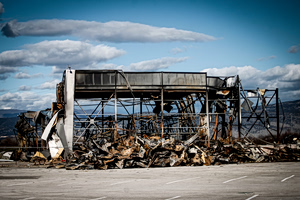
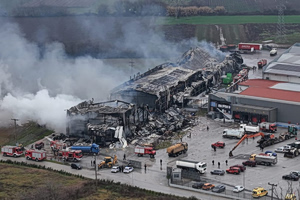
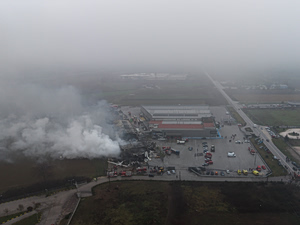
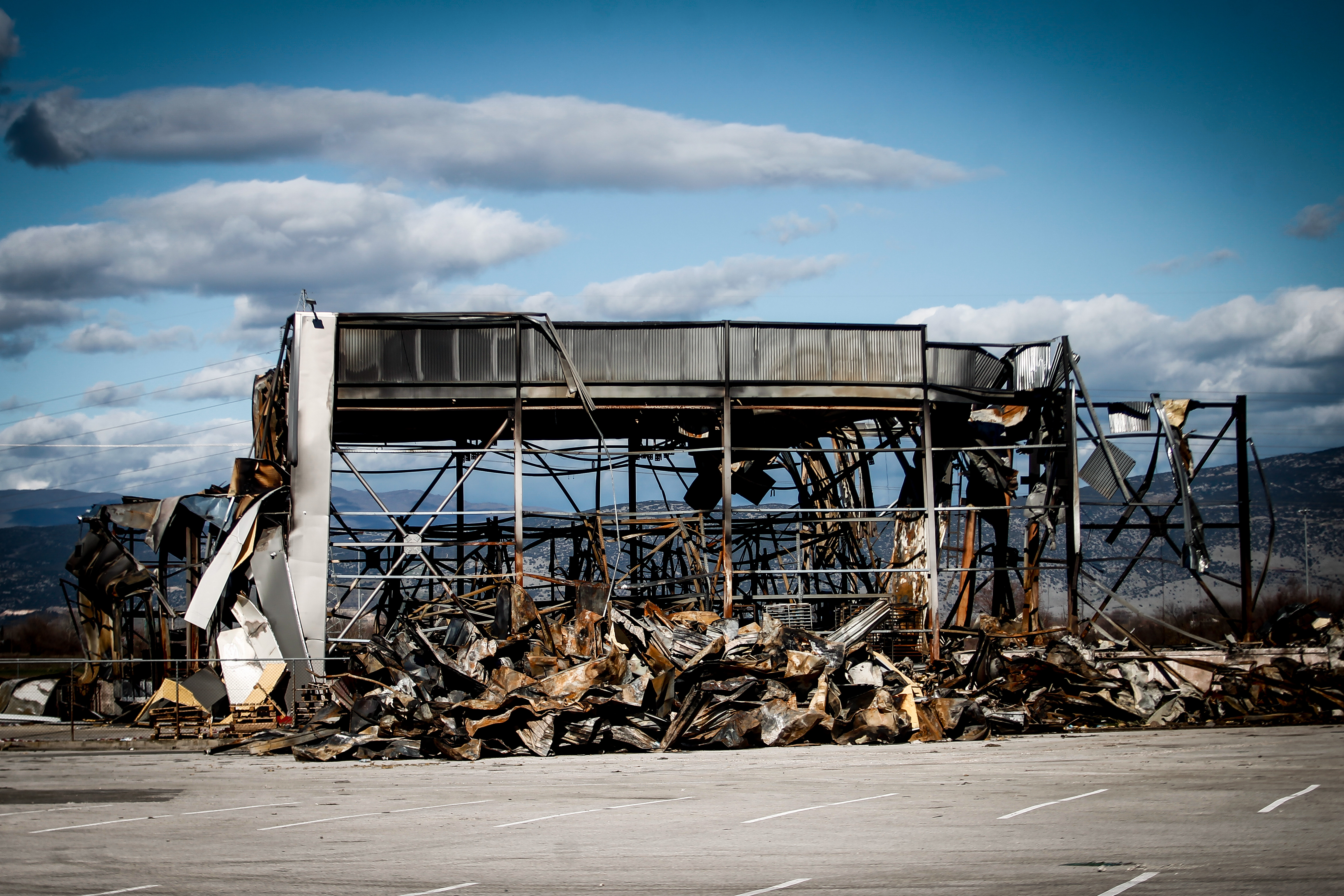
 The tragic accident that claimed the lives of five female workers at the Violanta biscuit factory in Trikala, central Greece, has once again brought workplace safety into sharp focus. Labor accidents remain widely underestimated, not only in Greece but across much of the European Union. Journalist Gina Moscholiou, in her column in newspaper Ta Nea compiles a series of statistics that underscore the scale of the problem. Notably, official data often emerge with significant delay, obscuring the immediacy of the crisis.
- 3,286 fatal workplace accidents were recorded in the European Union in 2022. Although the figure marks a slight decrease compared to 2021, it shows that deadly accidents in European workplaces remain a constant reality. In the same year, 2,430,000 non-fatal accidents were reported.
- 5.4% of global GDP is lost annually due to workplace accidents and occupational diseases; a significant upward revision from the previous 4% estimate, according to the International Labour Organization (ILO), the United Nations agency overseeing labor standards. In Europe, 20.6% of accidents occur in the construction sector, which remains the deadliest industry, according to Eurostat, the EU’s statistical authority.
- €43.6 million in fines were imposed in Greece in 2023 for violations of labor legislation; a 20% increase compared to 2022. The penalties followed 73,500 inspections carried out by the country’s Independent Labour Inspectorate Authority. The absence of effective oversight in the Violanta case suggests that the number of inspections should have been significantly higher.
- 179 people lost their lives in workplace accidents in Greece in 2023. This marks a grim historical record and is double the official figures of previous years, according to the Permanent Observatory on Health and Safety of the Hellenic Federation of Associations of Employees at Technical Enterprises in Greece (OSETEE).
- 14,629 workplace accidents were recorded in Greece in 2022; a dramatic 120% increase compared to 2018, when 6,612 cases were registered. The figures come from the annual report of the Independent Labour Inspectorate Authority, based on data from ERGANI, Greece’s national employment information system.
- A 30% increase in fatal incidents is observed when comparing 2023 data with the average of the 2020–2022 period. Greece’s main trade union confederation (GSEE) and the Athens Labour Center attribute this deterioration to intensified work conditions and insufficient inspection mechanisms.
- Workplace temperatures of 39°C (102°F) and above were officially recognized in the summer of 2023 as hazardous conditions requiring mandatory suspension of work, following cases of heat stress and based on guidance from the Labour Inspectorate. It is worth noting, however, that if a worker suffers a heart attack inside a factory operating under extreme heat, the death may not be officially recorded as a workplace accident.
- One in four workers killed in Greece in 2023 was employed in the primary sector — agriculture, livestock farming or forestry — highlighting rural areas as a newly emerging high-risk field, according to OSETEE data.
- And a broader global figure: 2.93 million workers worldwide die every year due to workplace accidents and work-related diseases — a number that has increased by 12% compared to the previous decade, according to 2024 data from the International Labour Organization.
These figures serve as a stark reminder of the five women who lost their lives at the Violanta factory in Trikala.