 Μake us preferred on Google
 The finance ministry calls it social dialogue. In practice, the consultations it began last weekend in Heraklion, Crete, look a good deal more like a pre-election campaign prep.
The target audience is the country’s self-employed professionals, a large portion of the active population that includes everything from physicians and civil engineers to craftsmen and independent delivery drivers. In June 2023, New Democracy took 44.7% among this “caste” of voters, its strongest showing with any professional group. In 2024, that fell to 28.2%. Polling since suggests the gap has not closed. Freelancers, and voters aged 30 to 50, are where the government is most exposed.
Pavlos Marinakis, the government spokesperson, recently offered a preview of what’s to come. Speaking to Parapolitika FM, he said freelancers who are compliant, who have installed card payment terminals and who have met a series of obligations should now be rewarded, in a form the prime minister will decide.
The tax that pushed voters away
At the center of the rupture is the presumptive taxation regime for the self-employed, which sets a minimum taxable income regardless of what a professional declares. Discussions are now underway in the government about targeted adjustments, having ruled out the possibility of withdrawing the measure altogether. The scheme did lasting damage to the government’s relationship with freelancers. It also worked, in the words of one government official, bringing in 450 million euros.
Marinakis acknowledged that the measure had landed badly with “people who work every day to keep the economy on its feet.” The government spokesman stopped short of conceding any shortcoming in the measure itself, focusing instead on how it was communicated. Officials, for their part, say they can make out narrow openings for trust to be rebuilt.
A second debate is under way behind closed doors at the Maximos Mansion, the prime minister’s office, and at the Finance Ministry: whether to ease the advance tax payment for small and midsize businesses. Whether either discussion yields anything will be clear in September.
Six regions, chosen carefully
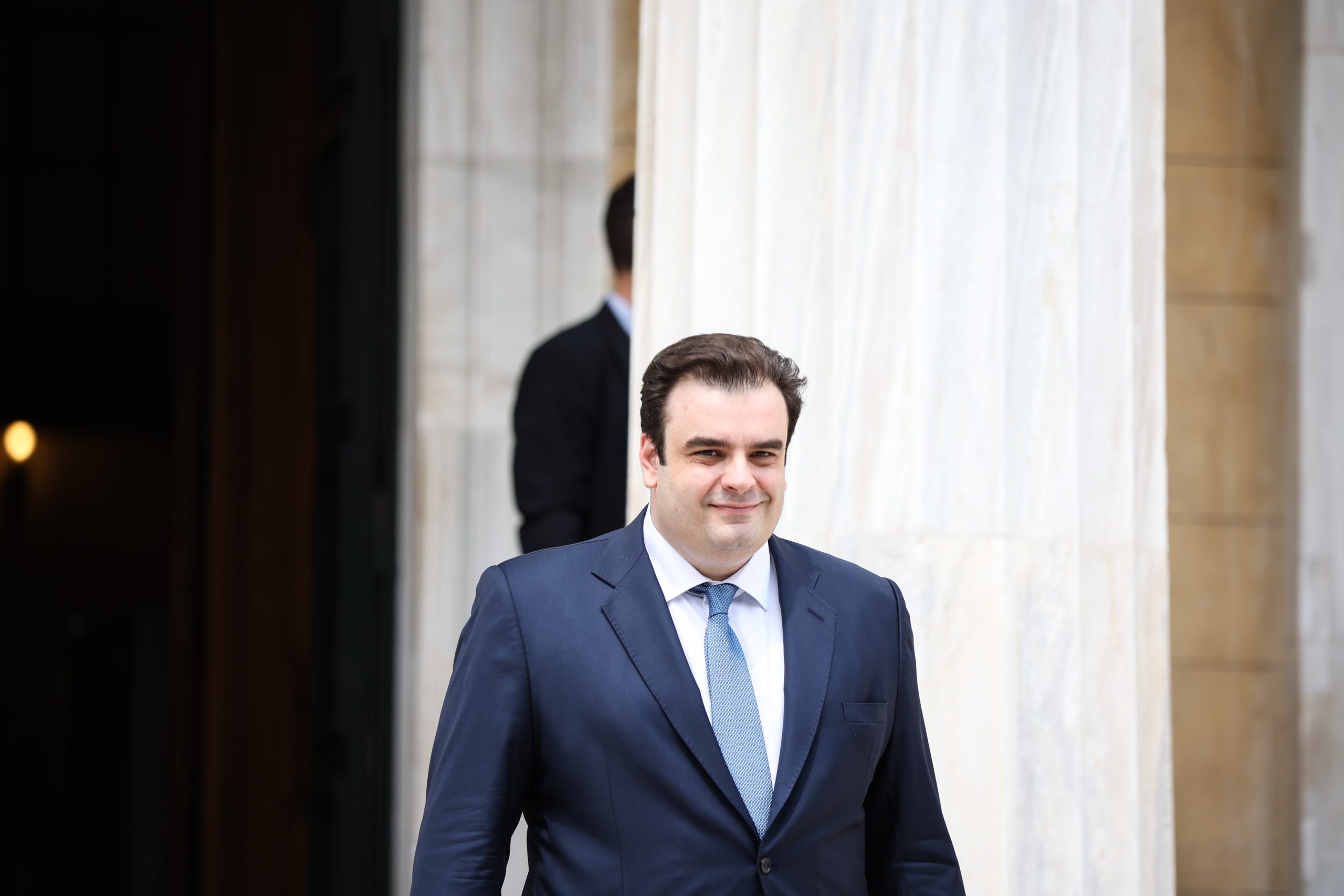
The Prime Minister’s office has asked the Finance Ministry to be as visible as possible, and communicate clearly the work that’s been done. Thus they have divided responsibilities in the Ministry accordingly. Kyriakos Pierrakakis, the finance minister, is in charge overall. Dimitris Markopoulos, the deputy minister responsible for tax, conducts the consultations. Thanos Petralias, the other deputy, assesses the fiscal cost of any proposal.
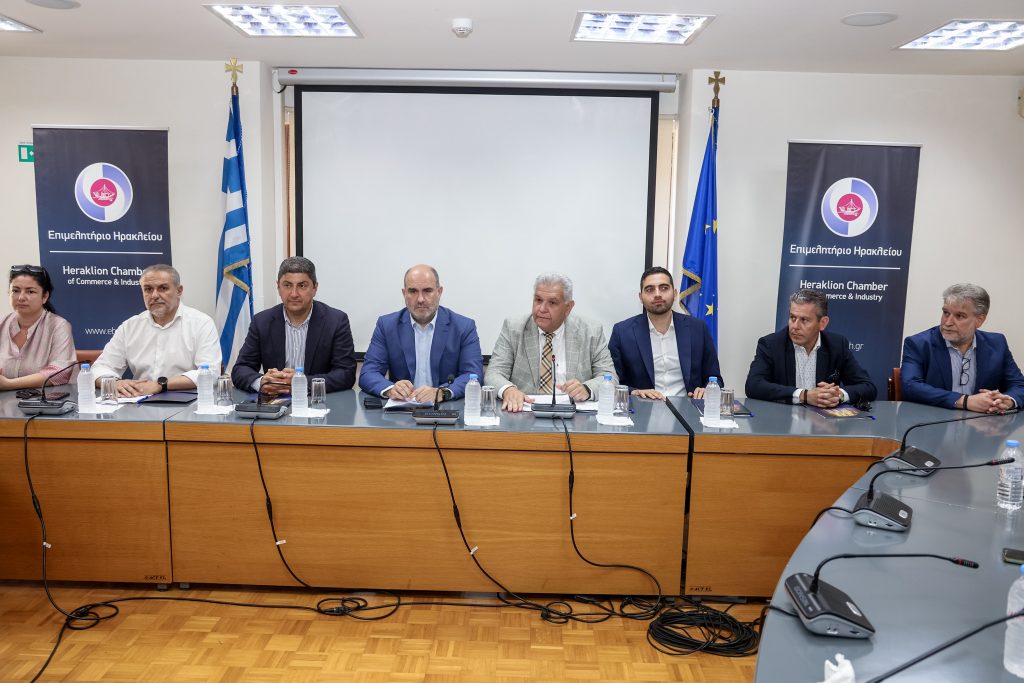
The locations ministers will visit have been carefully selected after officials mapped the areas that matter electorally and where New Democracy is weakest. Heraklion came first, a prefecture where the party was already under pressure before the OPEKEPE scandal, which involves the state agency that distributes EU farm subsidies, made things worse. Next come the north, Thessaly, and the working-class districts of Athens and Piraeus.
Six areas are being pinned down for meetings between Markopoulos, local New Democracy lawmakers and business groups:
- Corinthia, where the party is under pressure from the right
- Argolida, where former Prime Minister Antonis Samaras still carries weight
- Volos, the commercial hub of Thessaly and Magnesia
- Thessaloniki, above all the western suburbs
- Western Macedonia
- Western Attica
According to reports, arranging a meeting with the Central Union of Chambers, which represents Greece’s chambers of commerce, is one of the main priorities.
Source: Ta Nea