 Μake us preferred on Google
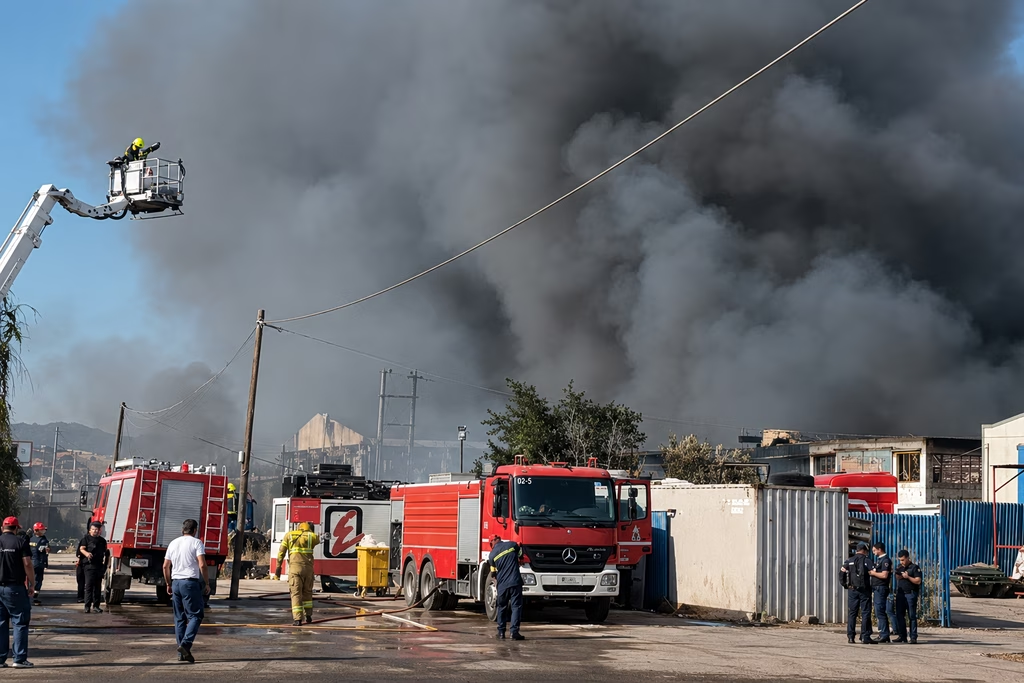
 A series of major fires at recycling facilities across Greece has intensified scrutiny of fire safety standards, industrial planning and regulatory oversight, following several high-profile incidents that have stretched firefighting resources and exposed the risks posed by large stockpiles of combustible materials.
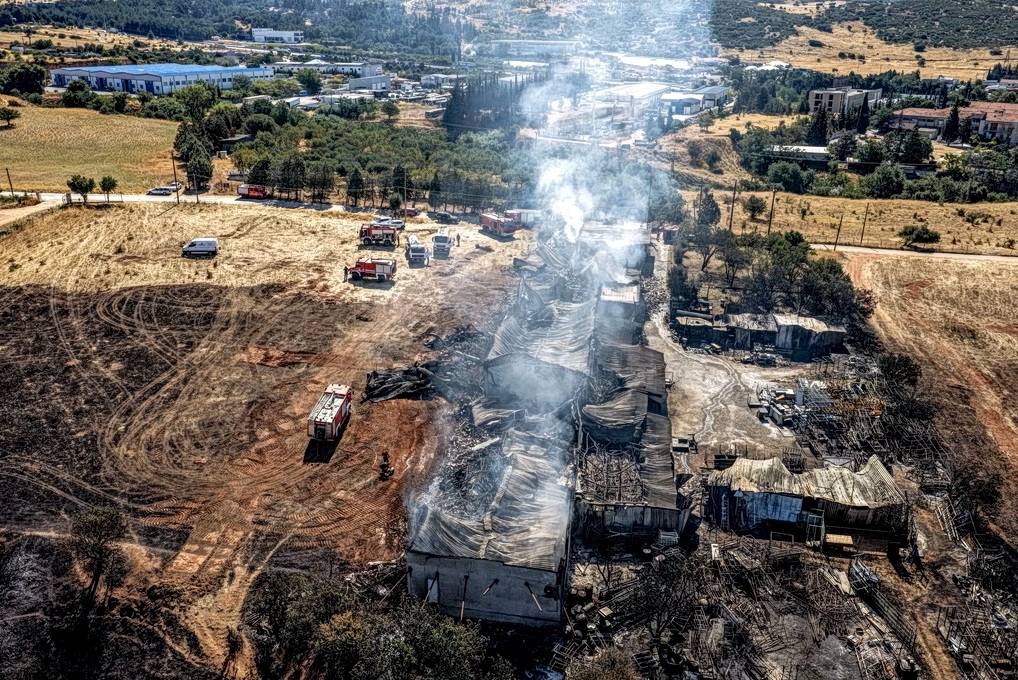
The latest blazes have proven particularly difficult to extinguish despite rapid emergency responses, as towering piles of plastics, paper, rubber, scrap metal and other recyclable materials continued to fuel the flames for days, creating persistent hotspots and repeated flare-ups.
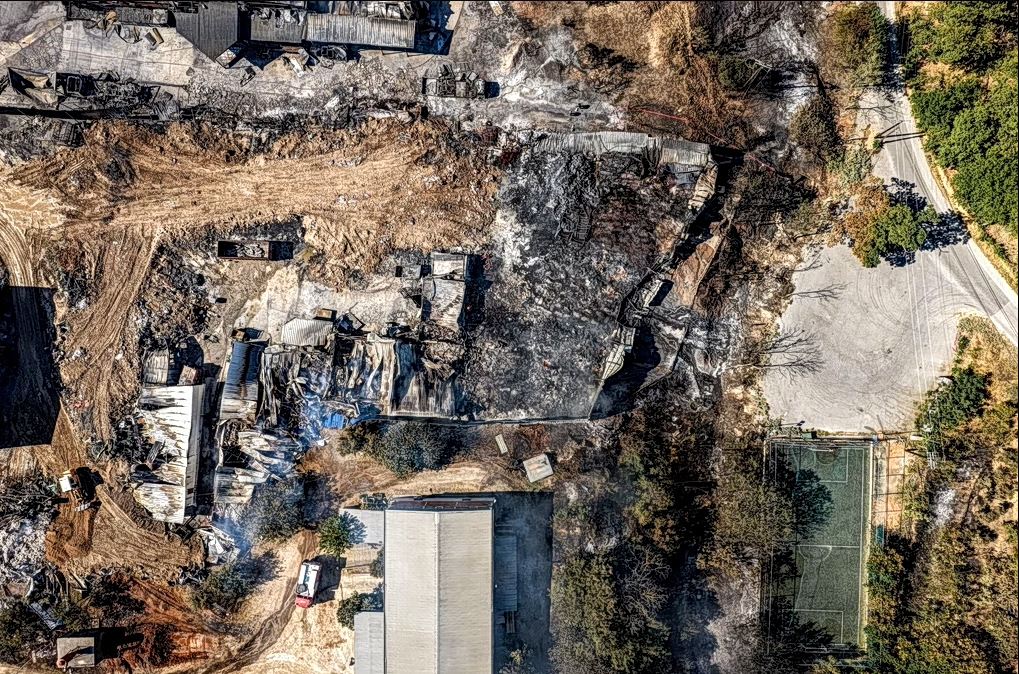
Recent incidents have highlighted the challenge.
A major fire at a recycling facility in Oreokastro, on the northwestern outskirts of Thessaloniki, burned for days after spreading from nearby low vegetation fields, generating a vast cloud of toxic smoke that blanketed much of Greece’s second-largest city and prompted repeated emergency alerts urging residents to remain indoors or evacuate affected areas. Firefighters relied on heavy machinery to dismantle and bury burning material in an effort to extinguish deep-seated hotspots.
Only days later, another large fire erupted at a recycling business in Aspropyrgos, an industrial and logistic district west of Athens proper, leaving workers seriously injured and triggering a major emergency operation amid concerns that the blaze could spread to nearby industrial facilities. Authorities are continuing to investigate its cause.
The succession of incidents has renewed debate over whether recycling facilities are adequately protected against fire and whether existing regulations reflect the unique hazards posed by such operations.
Fire safety specialists argue that Greece still lacks a dedicated fire protection framework tailored specifically to recycling and waste management plants. Instead, facilities generally operate under broader industrial fire safety rules that experts say fail to address the particular risks created by enormous concentrations of combustible materials.
Among the measures being proposed are mandatory limits on the height and spacing of waste stockpiles, continuous thermal-camera monitoring, advanced fire detection systems, specialized extinguishing agents and more frequent inspections with publicly available findings to ensure deficiencies are corrected.
Former senior fire brigade officials have also called for a dedicated fire safety directive governing recycling facilities, warning that some recent incidents warrant closer examination to determine whether all operators comply with licensing and safety requirements. They argue that the combination of recycling plants, warehouses, industrial yards, homes and woodland in the same areas significantly increases the potential consequences of any fire.
Environmental experts, however, caution against assuming that deliberate arson is the primary cause. They note that recycling businesses have little financial incentive to destroy valuable stored materials and instead point to poor storage practices, inadequate fire prevention measures and weak enforcement as more likely contributing factors.
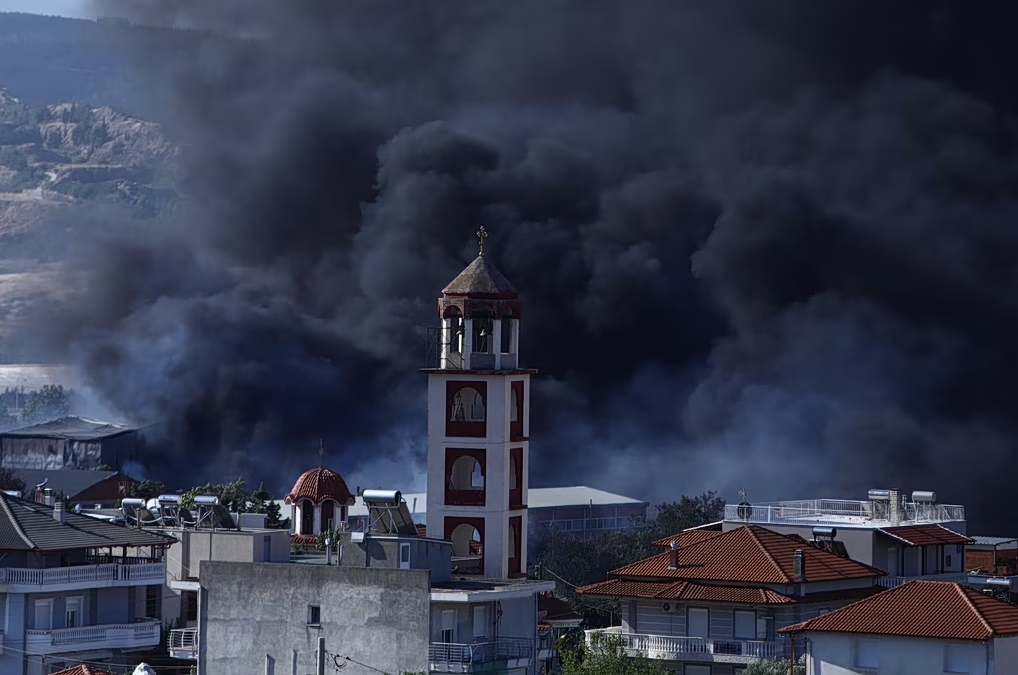
According to specialists, combustible materials are often stored too closely together or in excessive quantities, while some facilities lack protective shelters, water spray systems or sufficient separation between different categories of waste. These conditions can allow relatively small ignition sources to develop rapidly into large, difficult-to-control fires.
Industry observers also warn that inspection regimes remain inconsistent, partly because regulatory agencies have faced years of understaffing. Commercial pressures may encourage operators to accumulate larger inventories of recyclable materials, further increasing fire loads and complicating suppression efforts.
Officials at Greece’s recycling authority have described the recent incidents as deeply concerning, warning that continued losses of sorting and recycling infrastructure could undermine the country’s waste management capacity. They stress that understanding the causes of each fire will be essential in determining whether common patterns exist and whether current storage practices and fire protection measures require significant revision.
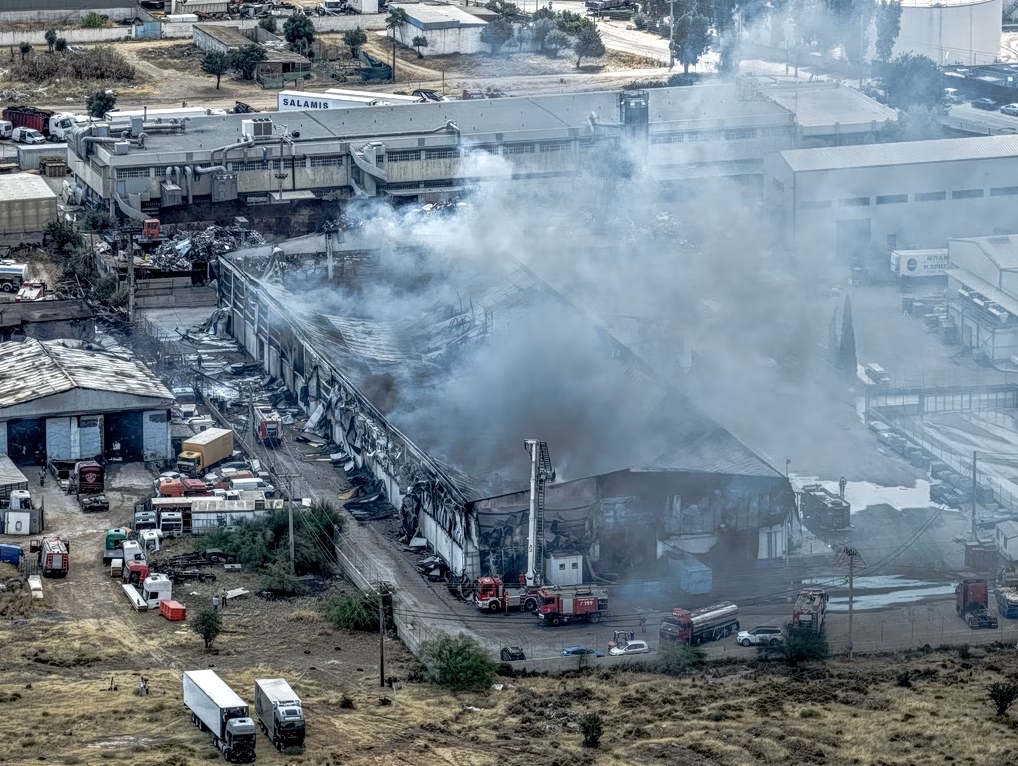
Over the past year, repeated fires at recycling facilities have highlighted the operational challenges posed by large volumes of highly combustible waste.
Recent incidents in Oreokastro and Aspropyrgos underscored how prolonged burning, toxic smoke and the proximity of industrial sites to residential areas can complicate emergency response, prompting renewed discussion over stronger prevention measures and more specialized regulations for the sector.