 Μake us preferred on Google
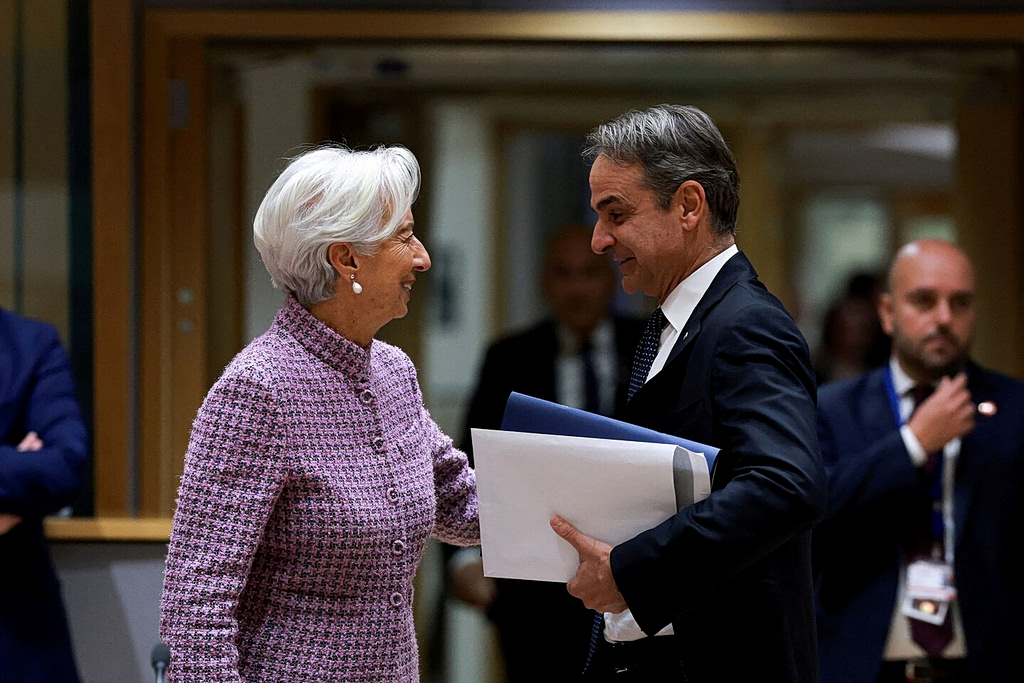
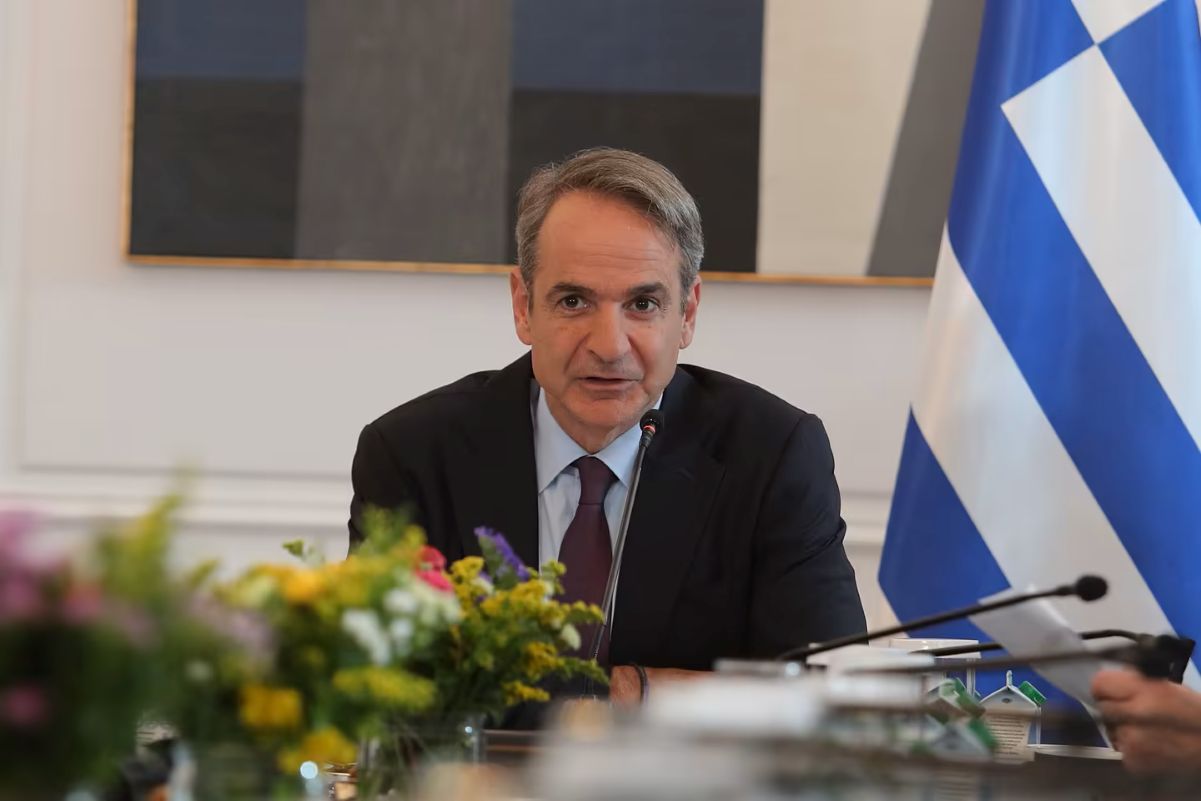
Prime Minister Kyriakos Mitsotakis opened his customary Sunday review by taking aim at European contradictions over the EU’s next multiannual budget. He proposed an EU-wide auction of 6G spectrum that could raise €12–15 billion, and insisted that new priorities in defense, energy and technology cannot be funded by cutting the Common Agricultural Policy and Cohesion funds.
Member states broadly accept Mario Draghi’s diagnosis on competitiveness, he argued, yet some refuse to commit the resources it requires. Mitsotakis said he will keep pushing for a larger budget backed by new revenue sources. He added that it matters which party holds Greece’s EU Council presidency if talks drag into the second half of 2027.
At home, the 2027–2030 Medium-Term Fiscal Plan presented to the cabinet includes new permanent support measures for households and businesses worth €3.6 billion by 2030.
The annual rent rebate went out four days early. Nearly one million households received €236 million after income criteria were widened, and 21,277 teachers and health workers serving in the regions may qualify for a double rebate.
Three new police domestic violence units opened in Kifissia, Nikaia and Agios Panteleimonas, bringing the total to 66 nationwide. A new public employment service program will pay businesses €7,878–€11,817 per hire, for 12 months, to employ 27,494 jobless people over 30. It gives priority to women and to workers over 50.
Nearly 500,000 farmers have finalized their aid applications. A 70% advance on basic payments starts Monday, and the balance will be paid on December 30. For the first time since 1981, the state fully controls the payments platform.
Other projects include more than €10 million for Athens’ Aretaieio and Eginitio university hospitals. A €50.6 million public-private partnership will build 12 new schools in Chania, and a €149 million partnership will build the Minagiotiko dam in Messinia to irrigate roughly 8,650 acres.
A defense ministry bill will let Greece sell, not just buy, military equipment through government-to-government deals. It will also give domestic industry a formal role in procurement, with an emphasis on drones and AI.
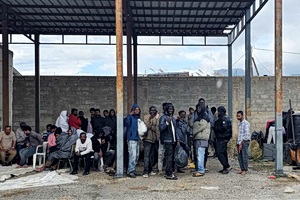
On migration, forced returns rose 23% and voluntary returns 54% in the first ten months of the year, and total returns topped 6,000. Mitsotakis acknowledged continued pressure on Crete even as overall flows decline.
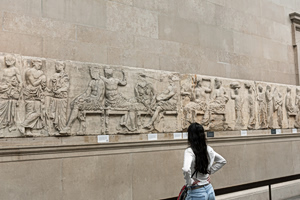
He closed by noting the reopening of the Old Acropolis Museum after nearly 20 years. Its AI-powered exhibition “The Parthenon Comes Alive” lets visitors walk among the figures of the frieze. Technology can reassemble the frieze, he said, but the real goal remains the return of the Sculptures. He added that no deal can recognize foreign ownership of Greece’s national treasures.