 Μake us preferred on Google
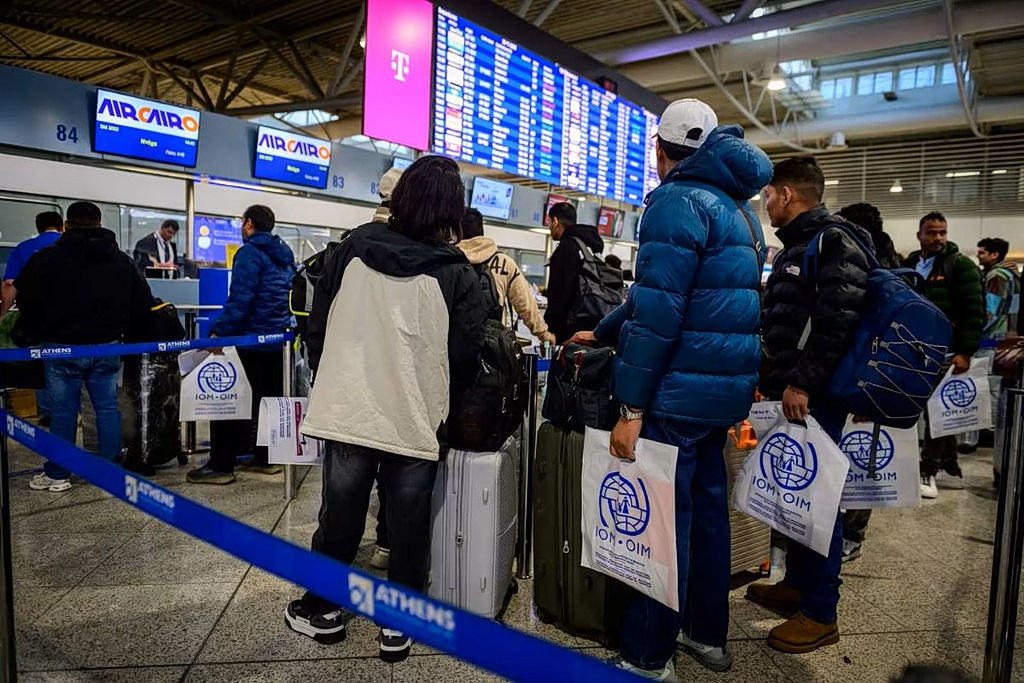
The figures reflect an upward trend in both forced deportations and voluntary returns facilitated through the International Organization for Migration (IOM), which constitute a key component of the government’s policy for returning third country nationals who have no legal right to remain in Greece.
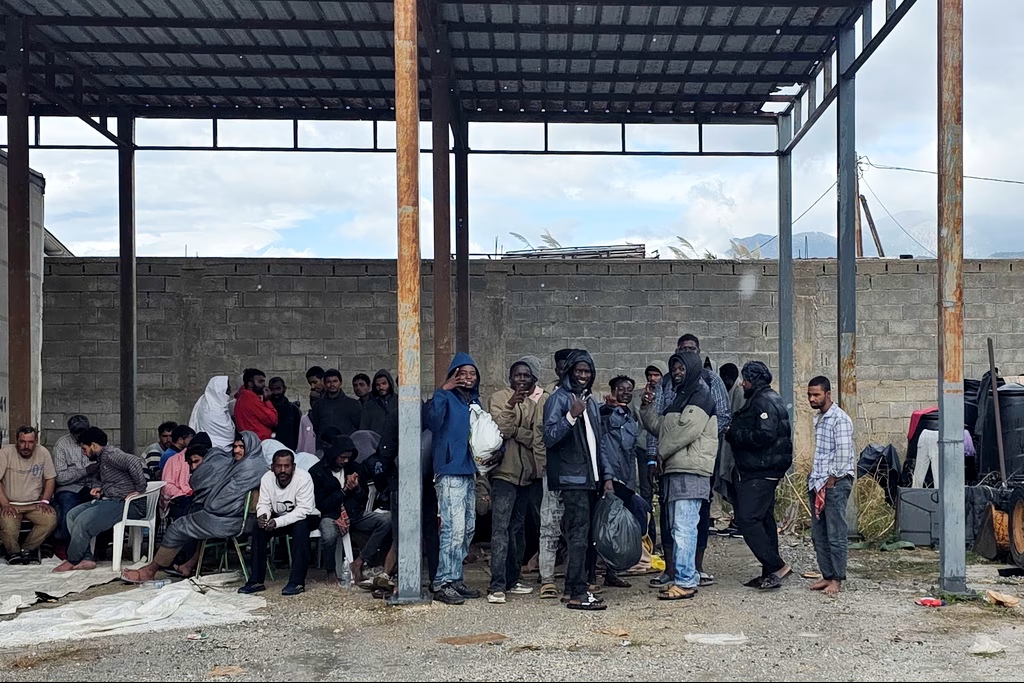
The latest developments come amid a renewed increase in arrivals on the large island of Crete over the recent period. Approximately 1,000 third country nationals were picked up or detected in the wider area of southern Crete and the isle of Gavdos over a 24-hour period, according to reports published on Saturday.
Most of the third country nationals were ferried by boat by people smugglers operating from coastal eastern Libya.
Earlier reports had counted more than 540 people picked up overnight, reflecting subsequent operations and the accumulation of new cases.
Forced and voluntary returns increase
Specifically, forced deportations during the first 10 months of 2026 totaled 2,417, compared with 1,956 during the corresponding period of 2025, an increase of approximately 24%.
The increase was even more pronounced in voluntary returns through the IOM. These reached 2,502 during the first 11 months of 2026, compared with 1,623 during the corresponding period of 2025, representing an increase of 54%.
A further 1,016 cases were recorded under the category of other returns during the first 10 months of 2026.

Migration and Asylum Minister Thanos Plevris
Stepping up returns has become a central priority for the Mitsotakis government, with Plevris stressing that the government is implementing the relevant policy with determination.
An indication of these efforts was the recent completion of the largest return flight to date, involving 114 third country nationals.
In a statement to the state-run Athens-Macedonian News Agency (ANA-MPA), Plevris said the government was pursuing its returns policy decisively, adding that “the successful completion of the largest return flight to date, involving 114 people from nine different nationalities in Africa and Asia, constitutes a substantive step towards the effective implementation of migration policy.”
The minister also stressed that “our message is clear: those who are not entitled to international protection and do not have a legal right to remain in the country must return.”
“Greece is implementing a strict but fair migration policy, with respect for international and European law, safeguarding legality, order and security.”
EU plans for return hubs
The increase in returns is also linked to broader European efforts to improve the implementation of return decisions, with particular emphasis on cooperation with third countries and the establishment of so-called “return hubs.”
These are facilities outside the European Union that could serve as intermediate stations or, subject to specific agreements and conditions, as destinations for individuals against whom return decisions have been issued.
Greece is participating in European discussions on the establishment of such facilities, with Rwanda at the center of the current planning.
According to statements by Plevris, the first return hub is expected to become operational during the second half of 2027, while the first returns under the scheme are envisaged for the spring of that year. A final agreement is expected to be finalized in January 2027.
The proposed return hubs are intended to address difficulties encountered in enforcing return decisions, particularly in cases where countries of origin do not cooperate or obstacles arise in the issuance of travel documents.