
 Μake us preferred on Google
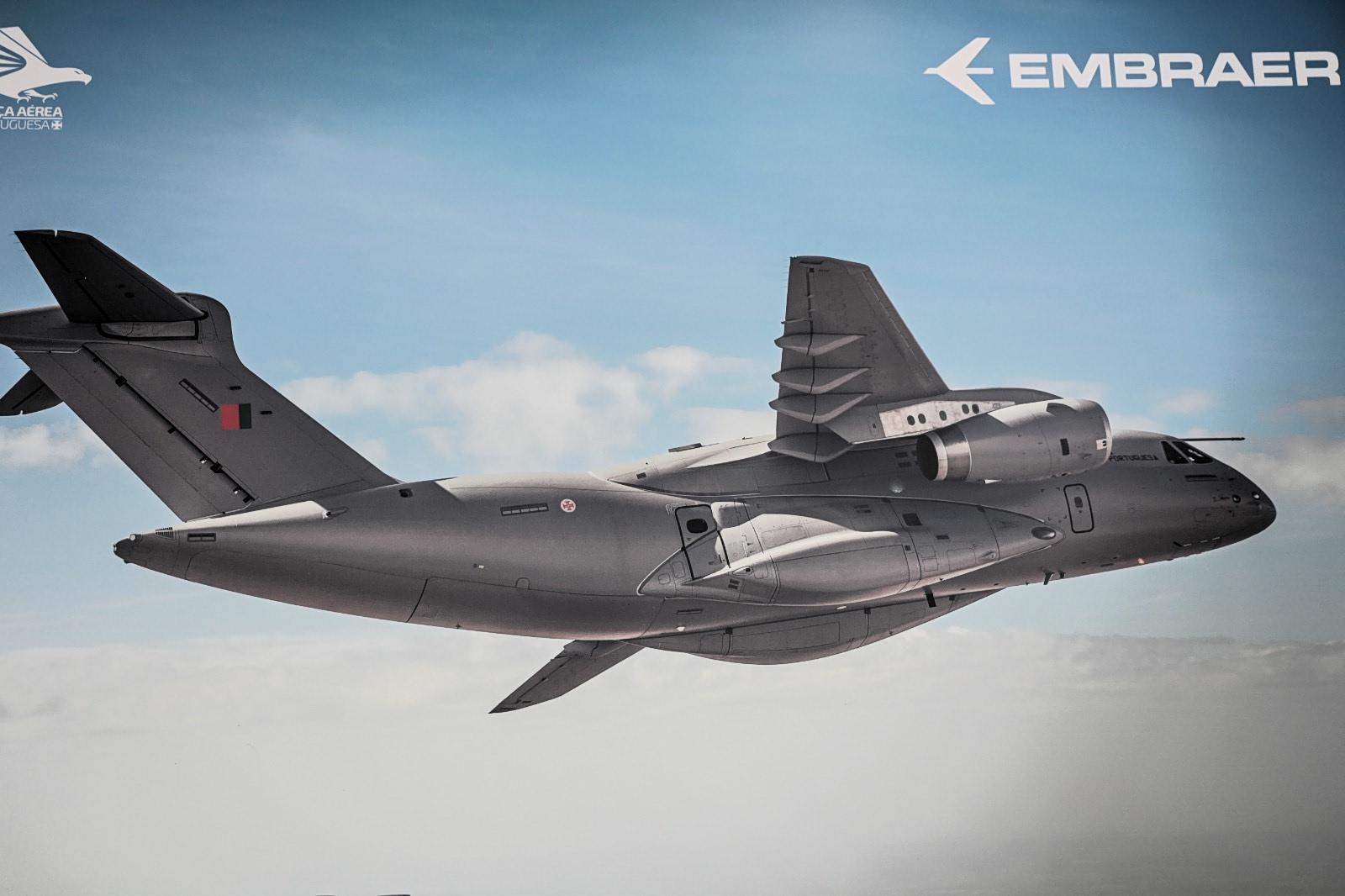
 Greece wants to acquire Brazilian-made Embraer C-390 military transport aircraft, drones from the United States and Israel, as well as mini-submarines for special operations forces, according to a Reuters dispatch on Thursday, as Athens presses ahead with an ambitious long-term military modernization effort.
The purchases, approved Thursday by a parliamentary committee, are estimated to cost between one billion and 1.2 billion euros and remain subject to final authorization by the high-ranking Government Council for Foreign Affairs and Defense (KYSEA). According to Reuters, the package includes three Embraer C-390 transport aircraft and related support services, which account for roughly half of the total expenditure.
The remaining funds will be used to procure an Israeli Heron unmanned aerial system, 10 US-made V-BAT drones, upgrades for four MEKO-200 frigates operated by the Hellenic Navy, and 10 British-built VICTA mini-submarines designed for special operations missions.
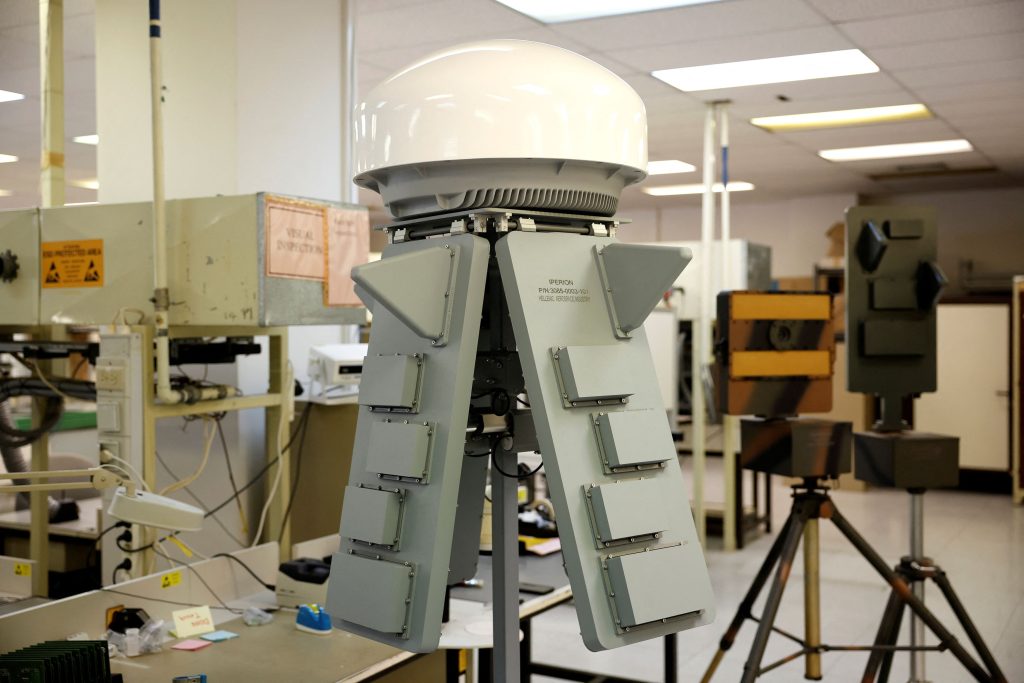
The anti-drone system Iperion is seen at the Hellenic Aerospace Industry (HAI), in Tanagra, north of Athens, Greece, July 3, 2025. REUTERS/Louiza Vradi
The C-390 acquisition would significantly bolster the Hellenic Air Force’s transport capabilities as it seeks to replace and supplement an aging fleet of C-130 Hercules and C-27J aircraft. Defense Minister Nikos Dendias publicly indicated Greece’s interest in the aircraft during a visit to Portugal last month, highlighting the platform as a candidate for future airlift requirements.
The procurement package is part of a wider defense transformation strategy that Greece has accelerated amid persistent regional security challenges and heightened tensions in the Eastern Mediterranean. Earlier this year, the government unveiled plans to invest approximately €28 billion in defense procurement and force modernization through 2036.
Recent initiatives have included the development of the multibillion-euro “Achilles Shield” integrated air and anti-drone defense system, modernization programs for F-16 fighter aircraft and MEKO-class frigates, and efforts to expand domestic participation in defense production. Greek officials have increasingly emphasized the need to strengthen the country’s defense-industrial base while enhancing operational capabilities across the armed forces.
Athens remains among NATO’s highest defense spenders relative to economic output, allocating around 3% of gross domestic product to military expenditures. The current modernization drive places particular emphasis on airlift, unmanned systems, maritime surveillance, missile defense and special operations capabilities as Greece adapts its force structure to evolving security requirements.