 Μake us preferred on Google
 While the Greek government is rolling out financial incentives to remove the destructive pufferfish from its seas, a group of Old Calendar Orthodox clerics chose a different response: supplicatory prayers and blessings seeking divine intercession against a fastest-growing marine threat.
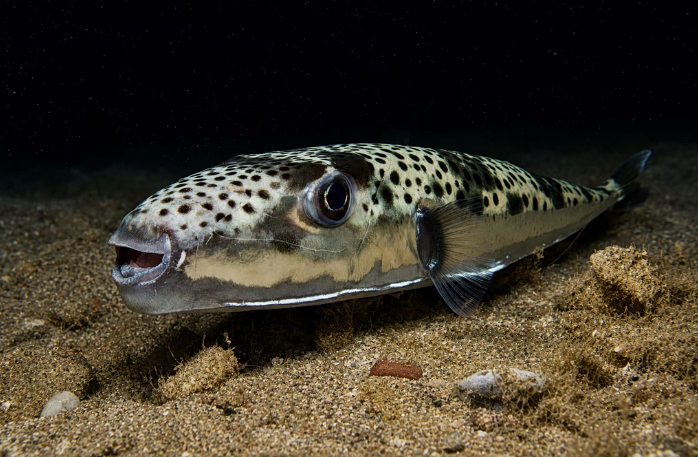
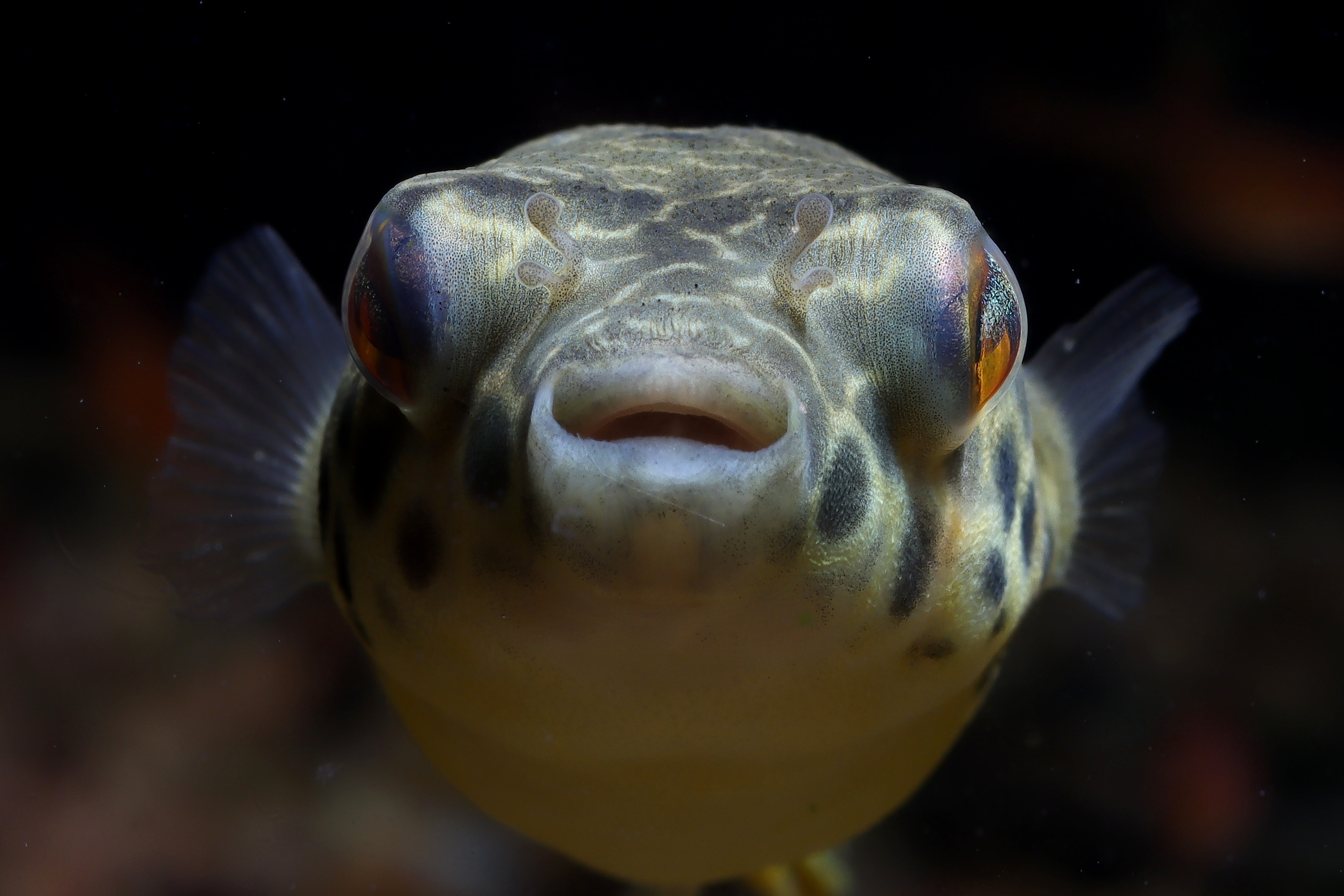
The specific clerics, which are not recognized or authorized by the Autocephalous Orthodox Church of Greece, the dominant religious affiliation in the country, began holding special prayer services and blessings aimed at halting the spread of the invasive silver-cheeked toadfish, or lagokefalos, according to local media reports.
The services, held this past week, included the chanting of Psalm 90 (“He who dwells in the shelter of the Most High”), a passage traditionally associated in Orthodox Christianity with protection from danger and adversity.
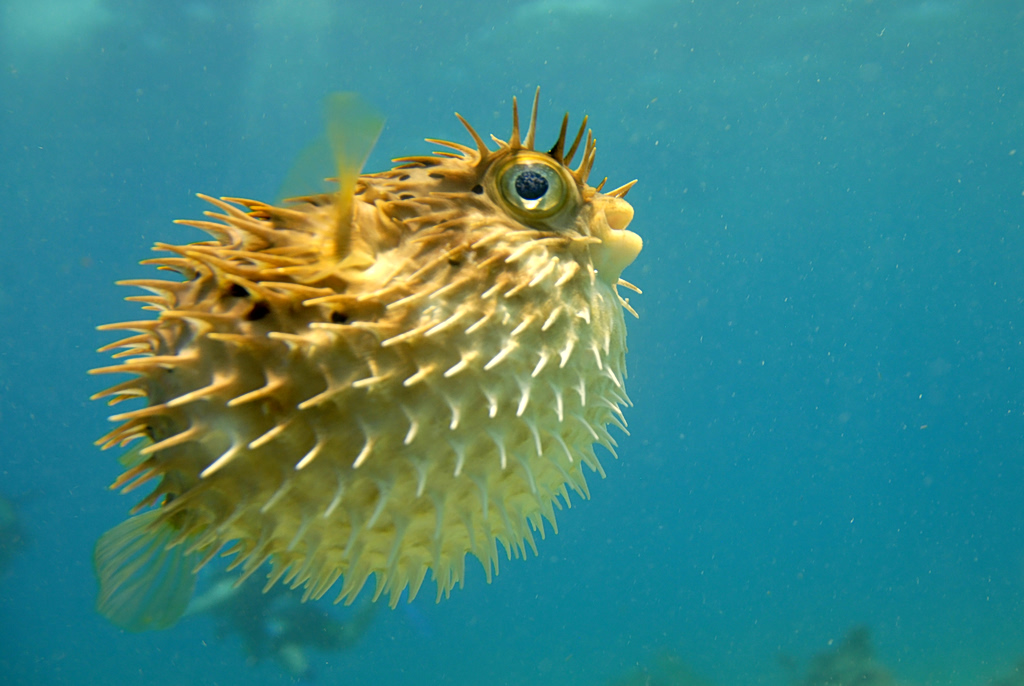
The unusual initiative comes as authorities grapple with the environmental and economic consequences of the species’ rapid expansion. Native to the Indo-Pacific, the highly poisonous fish entered the Mediterranean through the Suez Canal and has spread steadily across the eastern basin, inflicting heavy damage on fishing nets and catches while disrupting marine ecosystems.
Over the past month, the Greek government has stepped up efforts to address the problem, announcing compensation of 5.33 euro per kilogram for professional fishermen catching the species in Crete under a European Union-funded pilot program. The broader support package also includes fuel subsidies for fishermen as Athens seeks to reduce mounting losses reported by coastal communities, particularly in the southern Aegean and around Crete.
Marine scientists have warned that the lagokefalos has become one of the eastern Mediterranean’s most problematic invasive species. Besides damaging fishing gear, the fish contains the potent neurotoxin tetrodotoxin, making it unsafe for human consumption and posing an additional public health risk if it enters the food chain.