Greece’s Hellenic Food Authority (EFET) has urged consumers and food service businesses to take extra precautions against salmonella during the summer, warning that higher temperatures significantly increase the risk of foodborne illness.
The advisory follows recent salmonella outbreaks reported in Lamia, Kastoria, and Peristeri, prompting EFET to publish guidance addressing the most common questions about preventing salmonellosis.
Why Summer Increases the Risk
According to EFET, warm weather creates ideal conditions for harmful bacteria to multiply. Salmonellosis is one of the most common foodborne infections, with outbreaks often linked to improper food storage, inadequate cooking, and cross-contamination during food preparation.
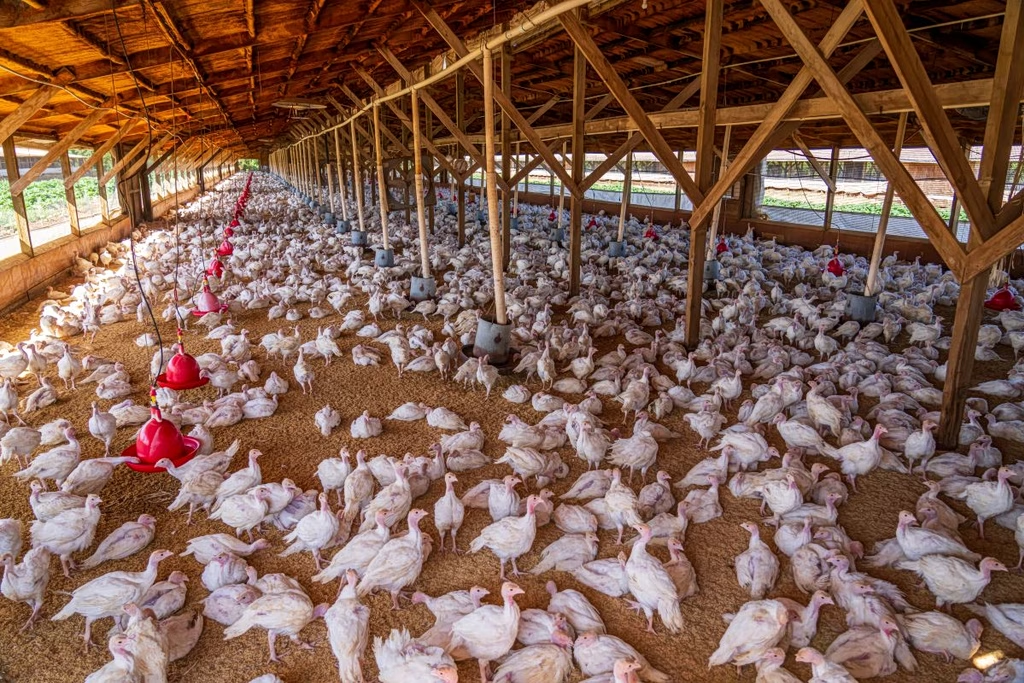
The authority emphasized that poultry, eggs and egg products require particular care, while maintaining the cold chain for perishable foods is essential during the hotter months.
Outdoor barbecues, picnics, festivals, and beach trips can further increase the risk because food is often left unrefrigerated for extended periods, cooked unevenly, or prepared under conditions where proper hygiene is more difficult to maintain.
What Is Salmonella?
Salmonella is a Gram-negative, rod-shaped bacterium that causes gastrointestinal illness and is transmitted through the feces of infected humans or animals.
The Salmonella family includes more than 2,300 serotypes, with Salmonella Enteritidis and Salmonella Typhimurium accounting for roughly half of all human infections.
The bacteria can be present in food without affecting its taste, smell, or appearance.
Symptoms and High-Risk Groups
Symptoms of salmonellosis typically appear between eight and 72 hours after consuming contaminated food and commonly include diarrhea, abdominal cramps, and fever. Chills, headaches, nausea, and vomiting may also occur.
Most people recover within four to seven days without medical treatment. However, EFET warned that infections can become life-threatening for infants, young children, pregnant women, older adults, and people with weakened immune systems.
Foods Most Commonly Linked to Infection
Salmonella is most commonly associated with raw meat, poultry, eggs, milk, dairy products, and seafood. Some fruits and vegetables may also carry the bacteria.
Cross-contamination is another major source of infection, including when juices from raw meat come into contact with ready-to-eat foods or when food handlers fail to wash their hands properly.
Food Safety Tips for Consumers
EFET recommends several basic measures to reduce the risk of salmonella infection:
- Wash hands, utensils, and food preparation surfaces frequently with soap and water.
- Keep raw meat, poultry, and seafood separate from ready-to-eat foods.
- Use separate cutting boards for raw and cooked foods whenever possible.
- Cook foods thoroughly and verify internal temperatures with a food thermometer.
- Refrigerate perishable foods and leftovers promptly.
- Never thaw food at room temperature.
The authority stressed that poultry deserves special attention. Raw chicken should be stored on the lowest refrigerator shelf in a sealed container to prevent leaks, and its internal temperature should reach 74°C (165°F) before consumption.
Guidance for Restaurants and Food Businesses
EFET said food handlers play a critical role in preventing salmonella outbreaks.
Key preventive measures include maintaining strict personal hygiene, preventing cross-contamination, cooking foods to safe internal temperatures, properly storing food, and routinely cleaning and disinfecting equipment and preparation areas.
The authority also emphasized purchasing ingredients only from approved suppliers, checking packaging and expiration dates, and following Hazard Analysis and Critical Control Point (HACCP) food safety procedures.