 Μake us preferred on Google
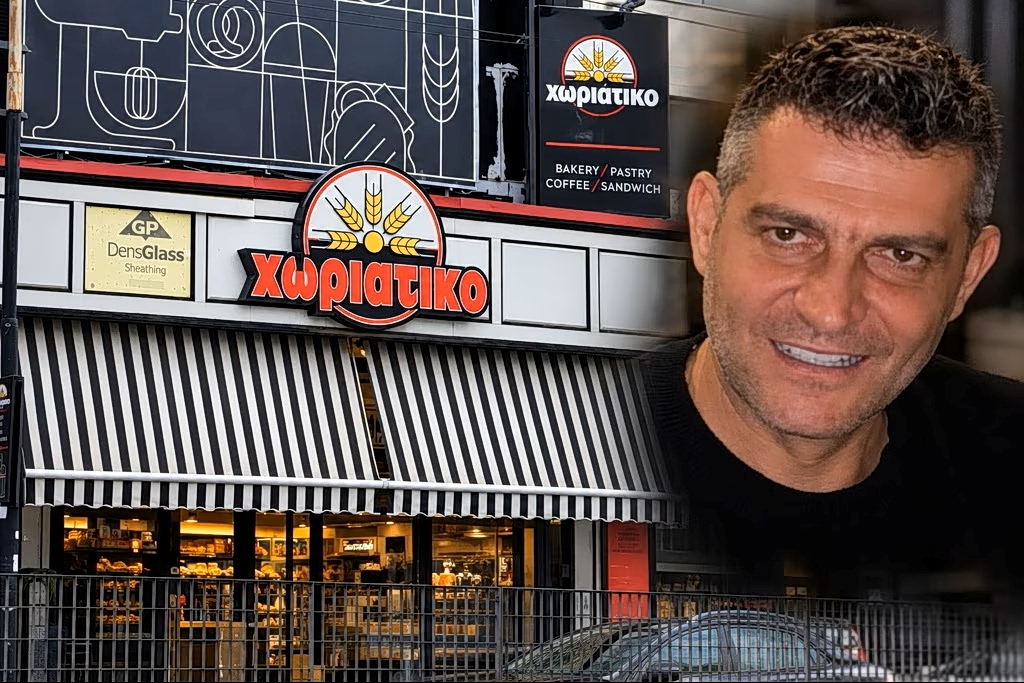
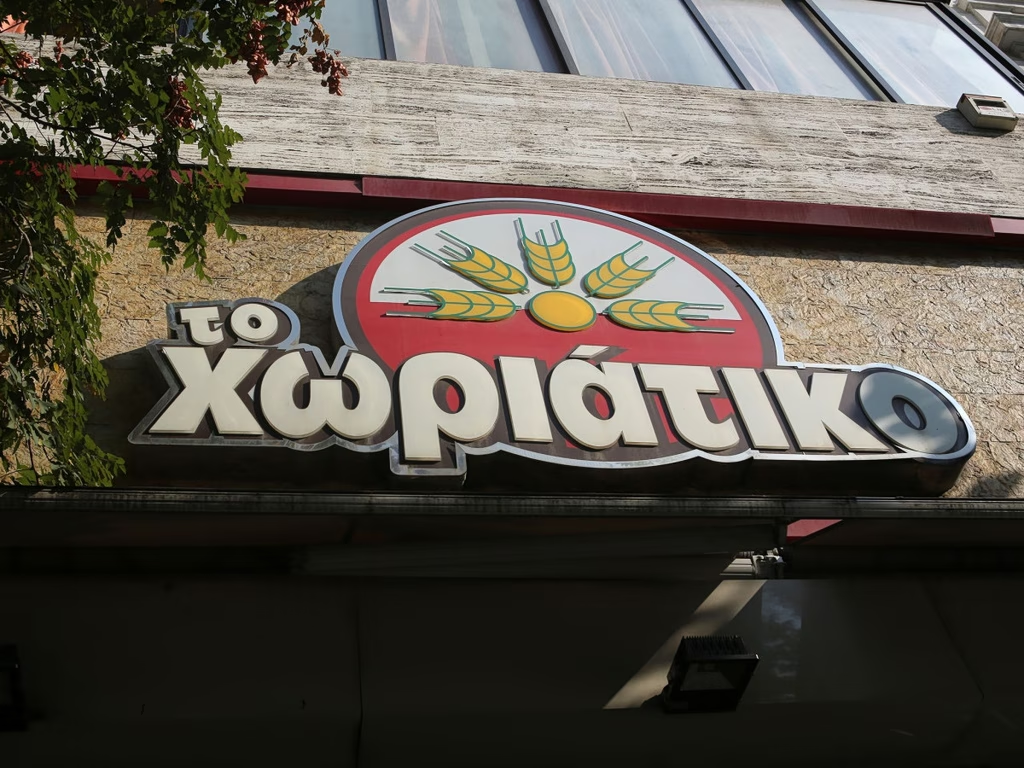
A high-profile investigation into an alleged tax fraud and money-laundering network centered on bakery chain To Horiatiko has expanded to suspected links with public officials, hundreds of businesses suspected of being “shell companies” and bank accounts abroad, as judicial proceedings against 59 detainees continue.
Four suspects had been ordered held in pretrial detention by Thursday by an Athens magistrate, while others were released under restrictive conditions. The case, involving businessman Angelos Giannakopoulos as the alleged ringleader, has brought renewed scrutiny to a suspected racket for evading taxes and social security contributions through successive companies, “frontmen” or “strawmen” managers and complex three-way financial transactions.
The 700-page case file compiled by Greek Police’s organized unit reportedly names 149 individuals, 520 bank accounts associated with 320 beneficiaries and a network of companies operating across several sectors. Thirteen names of foreign nationals allegedly used as “frontmen” were found to correspond to nonexistent individuals.
The 59 detainees are providing initial statements in groups before three investigating magistrates, with proceedings scheduled to continue through Friday.
Giannakopoulos, described by authorities as the alleged leader of the criminal network, is among those facing intense judicial scrutiny.
His defense reportedly argues that the allegations against him concern tax offenses rather than felony fraud. He has also maintained that his companies were genuine businesses that he intended to maintain and develop, pointing to his activity in the sector since 1996. He has reportedly expressed willingness to settle outstanding debts and requested house arrest with an electronic monitoring bracelet rather than pre-trial remand.
Alleged network of hundreds of businesses
According to the investigation, the network operated through a succession of companies that continued conducting business while previous entities accumulated substantial debts to the state and main social security agency, e-EFKA.
Companies that appeared independent on paper allegedly shared premises, equipment and employees. When one entity accumulated significant liabilities, another reportedly took over its commercial activity, allowing the same business to continue operating while outstanding obligations remained unpaid.
Investigators are examining approximately 433 businesses, including bakeries, cafes, bars, nightclubs, entertainment venues and companies involved in staffing. Their activities reportedly extended across the greater Athens area, the islands of Rhodes and Mykonos and other operations elsewhere in Greece.
Figures cited in the investigation put the total of unpaid taxes and contributions at approximately 120 million euros over a decade.
The network allegedly used more than 100 nominal representatives, some of whom were paid monthly to lend their names to companies. Investigators say the actual beneficiaries could remain concealed while legal and financial liabilities accumulated against individuals who lacked the resources to settle them.
Overseas accounts, suspected money laundering
The investigation has also focused on financial transactions involving foreign bank accounts.
Greek authorities have sought the freezing of two accounts in Ireland and Denmark reportedly holding approximately six million euros. The accounts were allegedly registered in the names of two foreign women and linked to payment terminals used by businesses in Greece.
Police suspect that money was transferred from abroad into Greece and subsequently invested in real estate, tourism businesses and other assets. The Anti-Money Laundering Authority is examining additional accounts and safe-deposit boxes as authorities attempt to establish the full extent of the alleged transactions.
The inquiry also concerns beach concessions and other commercial activities on Rhodes and Mykonos. Investigators allege that companies linked to the network participated in public tenders with exceptionally high bids, subsequently failed to meet their financial obligations and were replaced by other company entititie controlled by the same suspects.
Connections with public officials under scrutiny
A major new strand concerns possible “inside information” from people working in public services.
Internal affairs authorities are examining reported contacts involving the police, tax authorities, e-EFKA, the labor inspectorate, municipal administrations and other public entities. Investigators are seeking to determine whether officials provided confidential information, facilitated administrative procedures or helped businesses avoid inspections and other enforcement measures.
Reported conversations included in the case file are being examined for indications that individuals connected to the network received advance information about inspections and tender procedures. The possible involvement of public officials has not yet been fully established, and further investigation is required to determine whether any conduct constituted a criminal offense.
The inquiry is also examining allegations involving prostitution rings, money laundering and other criminal activities linked to businesses within the wider network.
Giannakopoulos’ previous legal troubles
The case has revived scrutiny of Giannakopoulos’ earlier encounters with the law.
He was arrested in 2008 during an investigation into an alleged international human trafficking network. In 2015, he was sentenced by a first instance court to 10 years and six months in prison. He was subsequently acquitted in 2018 in a separate case involving related trafficking and money-laundering allegations.
His name returned to the headlines in November 2025, when he was reportedly stopped in the south Athens district of Argyroupoli while driving an Italian-made super car at 216 kilometers per hour.
Meanwhile, the investigation has raised questions about the future of another bakery and confectionary chain, identified as Bread Factory.
Employees quoted by local media on Thursday stated that transactions at the chain’s stores are currently being conducted exclusively in cash because card-payment systems are not working. Employees have also expressed concern about their jobs, while reporting that they were told the business had changed ownership.