 Μake us preferred on Google
Authorities have identified three men suspected of breaking into a building in Athens’ historic Plaka district to steal copper and inadvertently causing a gas leak that may have triggered an explosion that killed six people last month. Later reports had the three suspects being arrested.
The men are suspected of damaging an internal natural gas pipe while attempting to steal the copper part from the property on Lysikratous Street, according to information revealed on Thursday. All three are reportedly known to law enforcement from previous such cases of vandalism and copper / metals theft, although their precise roles in the Plaka blast and the circumstances surrounding the alleged damage remain under investigation.
View this post on Instagram
The suspects are reportedly facing potential prosecution on homicide charges.
Surveillance footage shows the trio outside the building several hours before the explosion. Two of the three men allegedly entered the property, while the third remained outside.
School van narrowly escapes blast
Video footage obtained by Ta Nea captures the moment the explosion tore through the building, located near the Acropolis in central Athens, reducing much of the structure to rubble.
A black van carrying 12 children attending a private school was passing along Lysikratous Street when the blast occurred. The pupils escaped injury, having been only a short distance from the explosion.
Six victims and unanswered questions
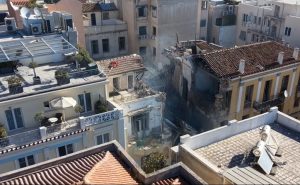
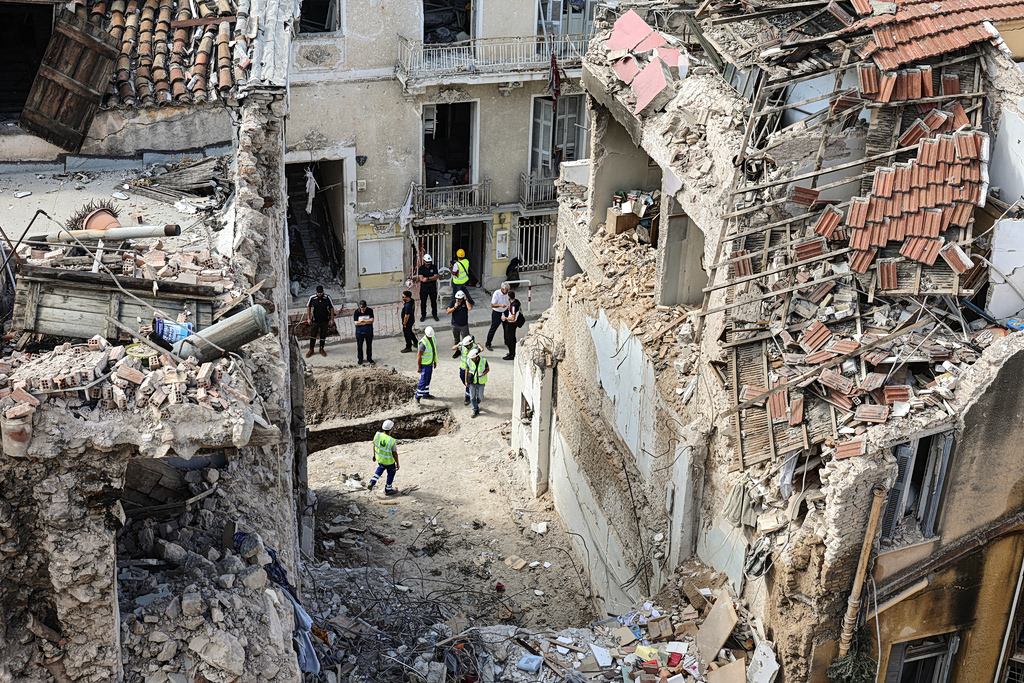
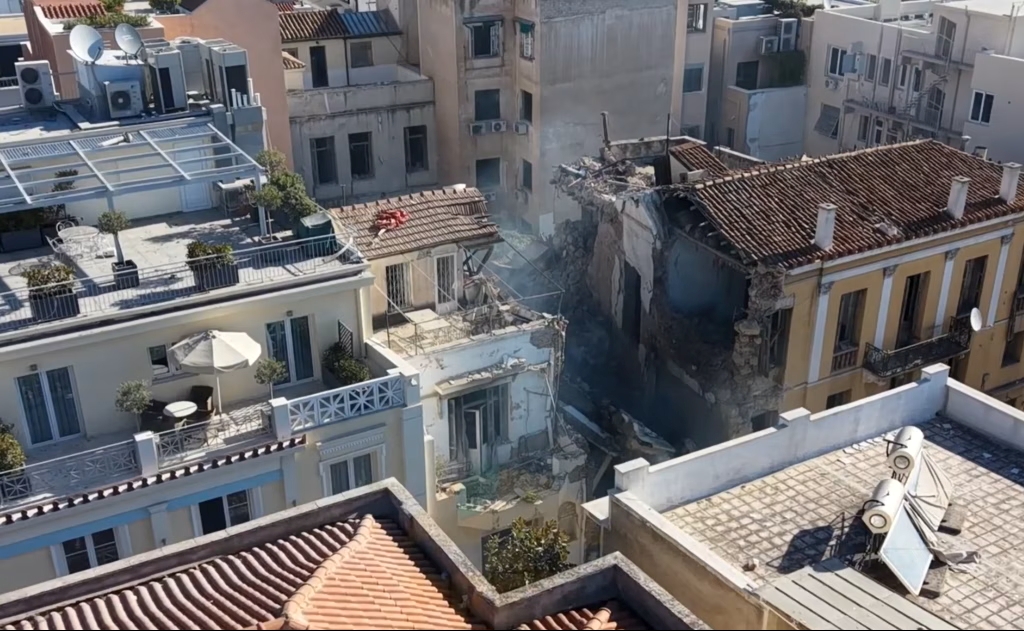
The explosion occurred shortly before 8 a.m. on Sept. 25, destroying a two-story building in the historic neighborhood at the southeastern foot of the Acropolis.
The six victims were four US tourists staying in a short-term rental apartment on the first floor and an elderly couple who lived on the second floor. The latter were a 78-year-old British man and his 77-year-old Greek wife.
The blast also damaged neighboring buildings and a nearby medieval church, prompting structural inspections and raising concerns about the safety of older properties in the densely built-up district.
Initial findings led investigators to focus on the second-floor apartment, which was reportedly the only unit in the building with an active independent natural gas supply.
The case also comes amid recurring public debate in Greece over repeat criminal offenders, the effectiveness of supervision after release from custody and whether authorities adequately assess the risks posed by people with a voluminous “rap sheet”.
In January, To Vima reported on a case in which a man accused of killing his father in Glyfada had previously been convicted of murdering his mother in 2014. He had served approximately four years of a 16-year sentence before being conditionally released in 2018. The case renewed questions about sentencing, conditional release and the supervision of individuals with serious criminal histories.
A separate To Vima report in November 2023 highlighted difficulties in monitoring thousands of people released conditionally from detention. It cited estimates that 20% to 30% of approximately 45,000 individuals released on parole or pending trial failed to comply with their release conditions.
Those figures concern compliance with release conditions, rather than a measured rate of reoffending among all convicted offenders, but they illustrate longstanding concerns about oversight and enforcement.
In the Plaka case, the reported criminal histories of the three suspects are now part of the investigation.