 Μake us preferred on Google
Turkey’s ambassador to Greece has called for renewed dialogue to resolve longstanding bilateral disputes, while at the same time accusing the Greek side of maintaining unfounded fears and prejudices toward Ankara.
The latest comments come as fresh tensions over maritime jurisdiction in the eastern Mediterranean tests efforts to preserve relatively stable relations.
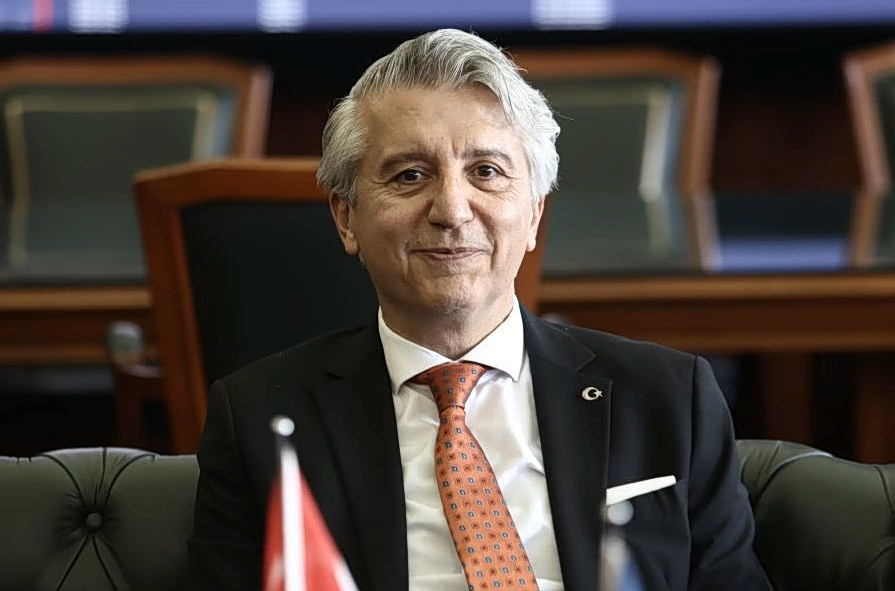
Speaking at a reception in Athens on Thursday marking the 103rd anniversary of the proclamation of the Turkish Republic, Çağatay Erciyes acknowledged that improved relations and expanded cooperation had yet to translate into substantive progress on outstanding issues, particularly in the Aegean.
The diplomat argued that Turkey does not threaten Greece and maintained that the two NATO allies should address their differences through direct negotiations, international law and good-neighborly relations.
He pointed to the December 2023 Athens Declaration as a framework for advancing dialogue, urging both governments to make fuller use of the understanding reached during a period of rapprochement between Prime Minister Kyriakos Mitsotakis and Turkish President Recep Tayyip Erdogan.
However, Erciyes acknowledged that the two countries had not yet begun a dedicated dialogue aimed at resolving their outstanding Aegean disputes.
He also called for domestic political considerations to be kept from obstructing negotiations, arguing that progress required a constructive atmosphere and greater mutual trust.
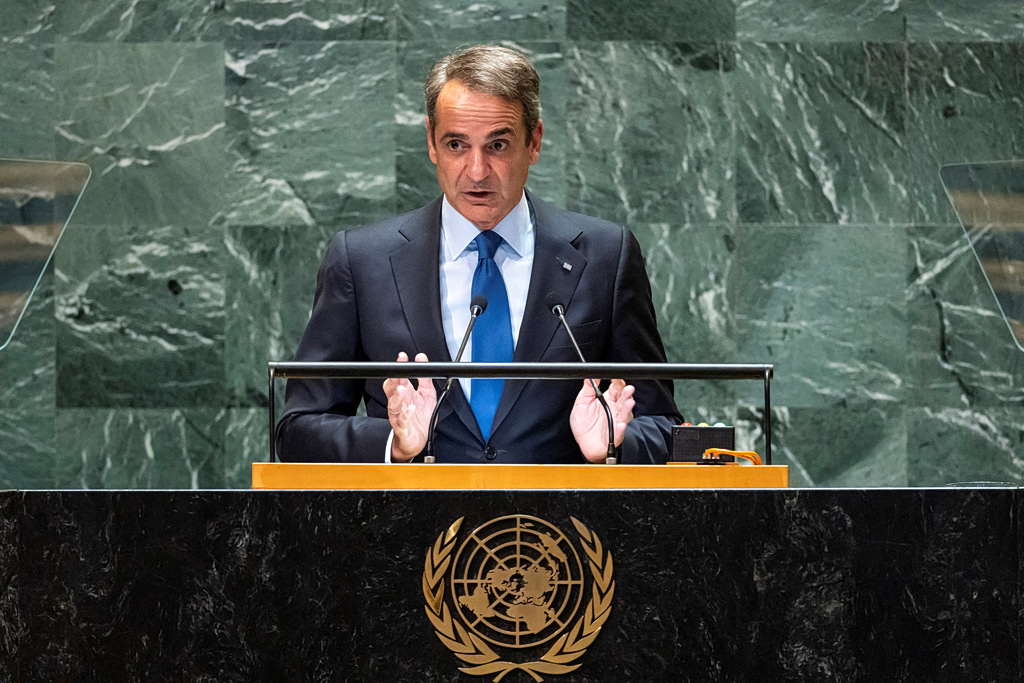
The ambassador reiterated Ankara’s position that Turkey was not an enemy of Greece but a neighbor and NATO ally, referring to Erdogan’s remarks in New York last month. He urged the two sides to approach their differences with prudence and common sense.
He also maintained that Greece and Turkey bore primary responsibility for resolving their own disputes, while suggesting that other countries could help by encouraging dialogue and adopting what he described as a fair and balanced approach.
Erdogan message on national objectives
The ambassador’s appeal for better relations coincided with Erdogan’s statements marking Republic Day, in which the Turkish president emphasized national determination, what he called Turkey’s growing international role and the government’s ambition to strengthen the country across multiple sectors.
According to Greek media reports, Erdogan was quoted as saying that Turkey was determined to “neutralize” those attempting to obstruct its objectives, drawing a parallel with the struggle that preceded the republic’s establishment 103 years ago.
“The Turkish nation will leave its mark on the century we are in,” Erdogan said in the official message, according to the state-run news agency Anadolu.
He also reiterated his ambition to carry forward the government’s “Century of Türkiye” vision, highlighting developments in defense, energy, transportation and diplomacy.
Maritime disputes overshadow diplomatic overtures
The ambassador’s appeal for cooperation comes amid renewed Turkish claims to maritime jurisdiction in the eastern Mediterranean outside the UNCLOS framework.
In recent weeks, Ankara has challenged Greek and Cypriot navigational notices authorizing seabed surveys for telecoms and electricity interconnection projects. Turkey maintains that some of the areas concerned fall within its claimed continental shelf and has insisted that activities there require prior coordination with Ankara.
Athens flatly rejects that position, arguing that notification of maritime activities does not require Turkish approval and cannot confer jurisdiction on Turkey over areas Greece considers part of its future continental shelf.
The disagreement has particular significance for the Great Sea Interconnector (GSI), the planned electricity link between Greece and Cyprus, as well as separate telecommunications infrastructure projects in the region.
Athens dismisses controversial Turkey-Libya memorandum
The dispute has intensified following the Oct. 20 approval by Libya’s eastern-based House of Representatives of the infamous 2019 Turkey-Libya memorandum on maritime delimitation.
Greece considers the agreement incompatible with international law because it disregards the maritime entitlements of Greek islands and the geographical relationship between the two countries’ coastlines.
Athens has maintained that the memorandum is invalid, cannot provide a lawful basis for delimiting maritime zones and cannot produce legal consequences for third states.
Foreign Minister George Gerapetritis last week delivered a joint statement at the United Nations on behalf of Greece, Cyprus, Egypt, Bahrain, the United Arab Emirates and the European Union, rejecting the agreement and warning of its implications for regional stability.
The European Union has likewise maintained that the memorandum infringes on the sovereign rights of third states. The United States, following an initial call for negotiations, subsequently described the announcement of the ratification as provocative and non-constructive.
Greece has also reaffirmed its willingness to negotiate maritime delimitation with Libya in good faith and in accordance with international law.
Back in Athens on Thursday, Erciyes emphasized the economic and social ties between Greece and Turkey, citing bilateral trade worth US$6.7 billion and substantial tourist flows in both directions during 2025.