 Μake us preferred on Google
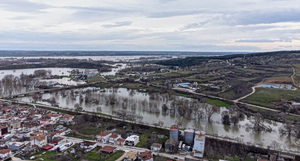
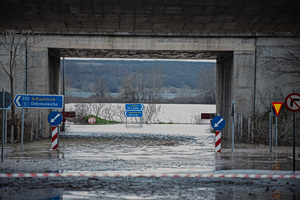
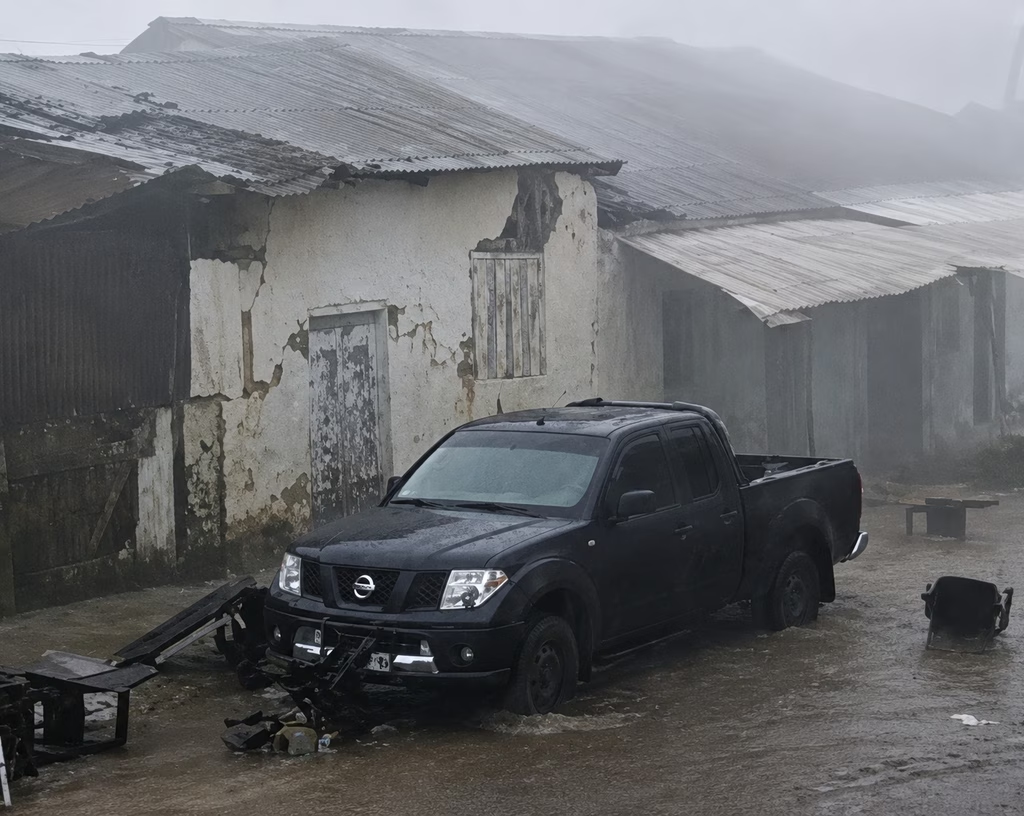
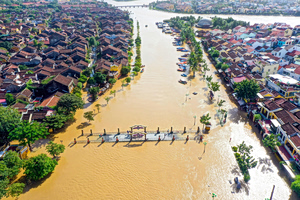
 The first rainfall after major wildfires could trigger flooding and landslides in affected areas, warned Efthymios Lekkas, president of Greece’s Organization for Earthquake Planning and Protection (OASP) and professor of Natural Disaster Management.
Speaking to ERTNews about the aftermath of the major fires that affected Attica, Boeotia and Rethymno, Lekkas said improving weather conditions had raised hopes that the wildfire fronts would be brought under control. However, he stressed that firefighting efforts had been particularly challenging due to the wide geographical spread of the incidents.
“There was a huge dispersion of forces, which made managing the situation extremely difficult,” he said, noting that the overall situation could not be assessed based on a single fire front, as more than 100 wildfires had broken out across Greece in recent weeks.
Flood danger after wildfires
Looking ahead to the period following the fires, Lekkas stressed the need for increased vigilance in all affected areas, regardless of whether they had been burned in previous years.
He explained that the consequences of wildfires go beyond the destruction of vegetation and damage to ecosystems, as they also directly affect soil behavior and the way water flows across the land.
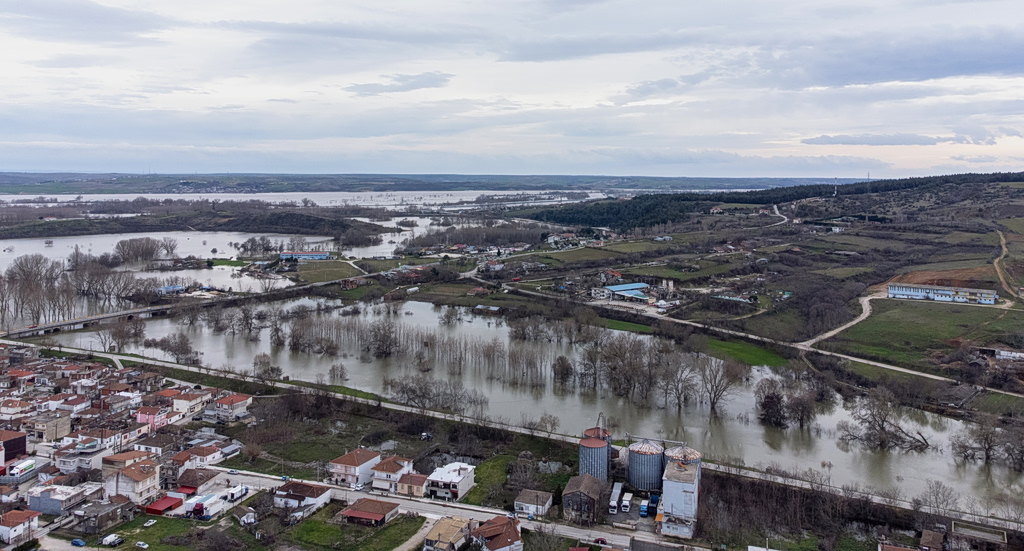
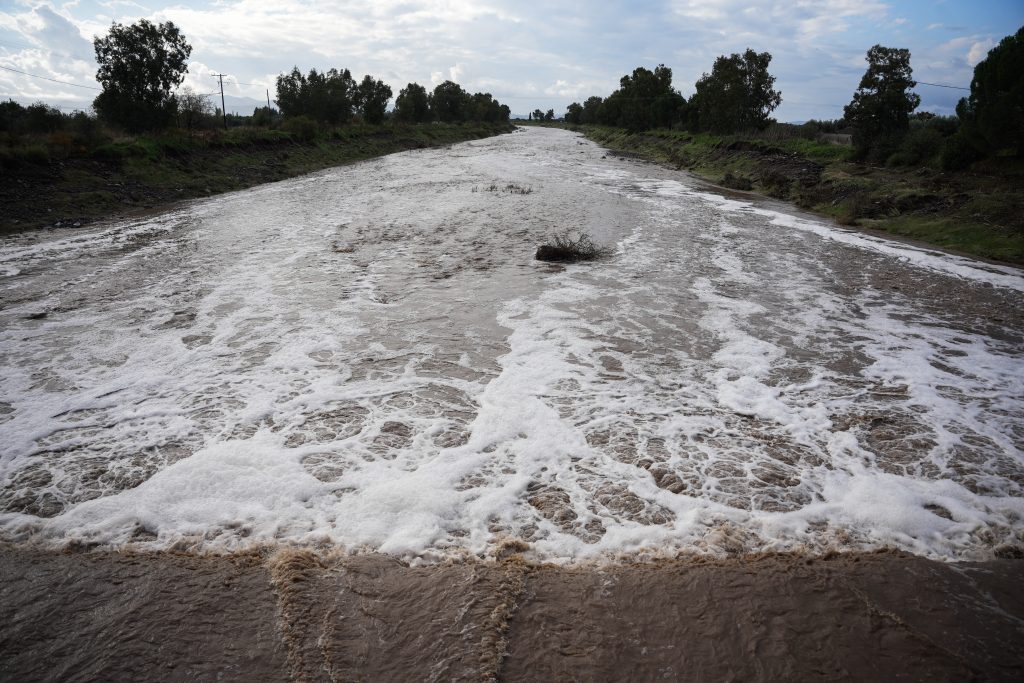
“Flooding phenomena can occur within a month, essentially with the first rainfall. Even a simple rain event can create such phenomena,” he said.
According to Lekkas, the greatest risk exists in small drainage basins, where water moves quickly toward lower areas. After a wildfire, exposed soil becomes highly vulnerable to erosion, allowing large quantities of sediment and debris to be carried away by rainfall.
“The total volume of water moving downstream is joined by a corresponding volume of transported materials, creating particularly destructive flooding phenomena,” he warned.
Need for scientifically designed protection projects
Lekkas emphasized the need for immediate assessments of underground water resources, the ability of ecosystems to regenerate naturally, and whether anti-erosion projects and stream barriers should be constructed.
However, he cautioned that such interventions must be carefully planned, as poorly designed measures could worsen the problems they are intended to address.
He cited the example of Kineta, an area affected by a major wildfire in 2018 and floods in 2019, where some projects failed to prevent extensive damage.
According to Lekkas, scientific evaluations are needed to determine which projects should be carried out, where they should be located, and in which cases it may be preferable to allow nature to recover without human intervention.
“A complex chain of risks”
The OASP president described the geological conditions in the affected regions as complex, explaining that some areas contain rock formations that are more resistant to erosion, while others, such as Megara and Mount Pateras, may face greater risks from erosion and landslides.
He also referred to geotectonic activity in the wider area of Psatha and Porto Germeno, clarifying that it is unrelated to the wildfires and does not indicate a connection between the two phenomena.
“There is a complexity of risks that develops immediately after wildfires,” Lekkas said, stressing that authorities must assess not only the condition of the natural environment but also the resilience of critical infrastructure, including electricity networks operated by Greece’s Independent Power Transmission Operator (ADMIE) and Hellenic Electricity Distribution Network Operator (HEDNO), as well as roads and other essential infrastructure.
“The ultimate goal is to provide greater resilience to an area that, in any case, faces high risks,” Lekkas concluded.