 Μake us preferred on Google
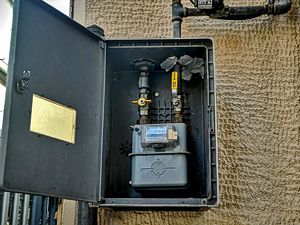
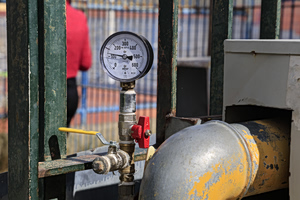
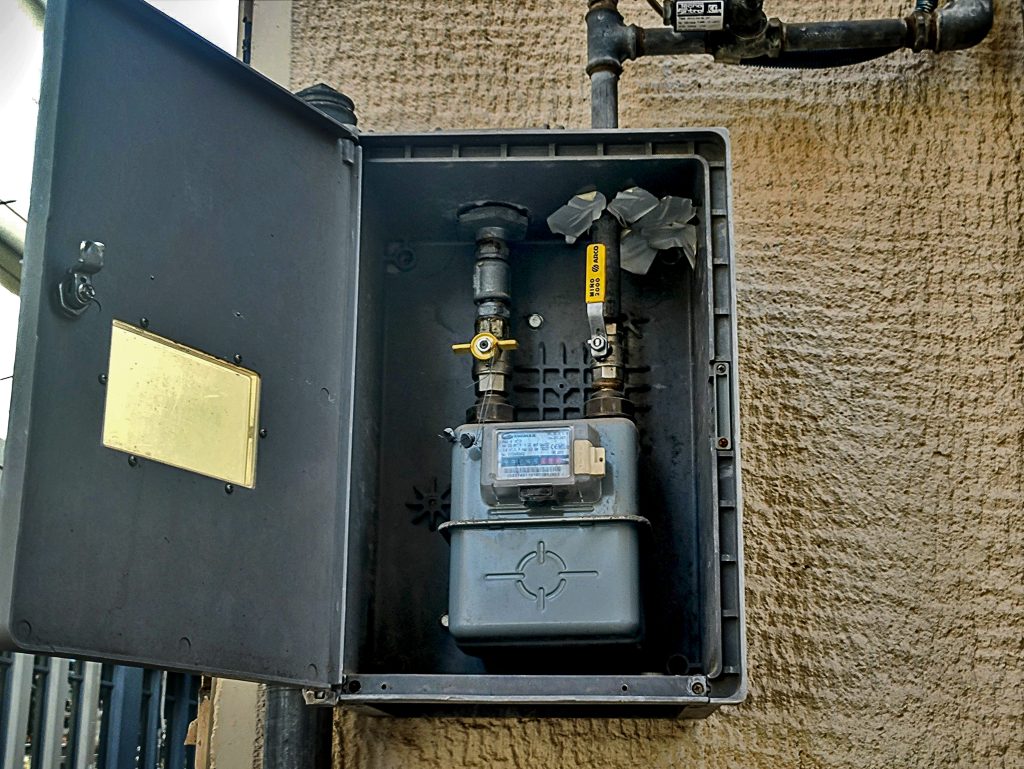
The gas scare at Athens’ Grava school complex has brought to light a broader problem with school safety: inadequate inspections, incomplete maintenance records and uncertainty over who is monitoring natural gas installations in buildings used by thousands of children every day.
For more than 20 years, there has been no systematic oversight of some installations, according to complaints and information gathered during the investigation. Authorities are still trying to establish the condition of school infrastructure across the capital, often responding to problems only after safety concerns have been raised.
The gaps in oversight became particularly apparent last Monday, when Athens Deputy Mayor for Education Thomas Georgiadis emailed school principals asking them to identify which schools had natural gas installations and whether they held the required operating certificates. The request raises questions about what information the municipality already had concerning the facilities it is responsible for maintaining.
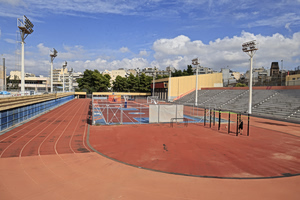
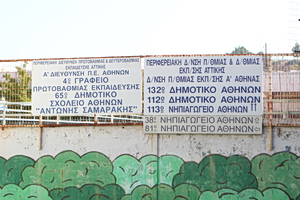
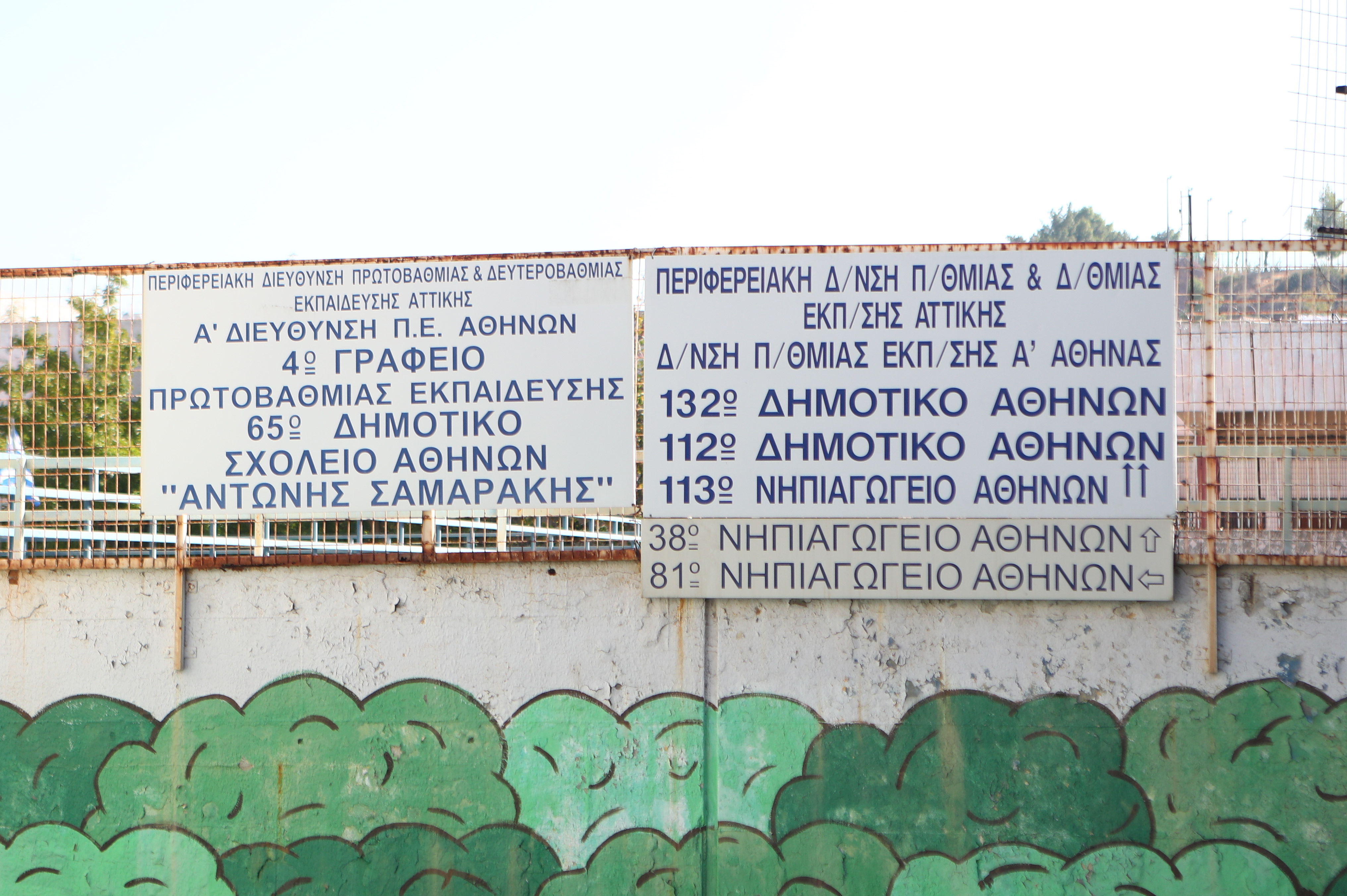
Meanwhile, the source of the unusual gas-like odor at Grava remains unknown. The complex, the largest in Greece, houses 15 schools attended by approximately 4,000 students and staffed by more than 400 teachers. It was ordered to remain closed through Monday, Oct. 26, following a decision by the Athens City Council.
Similar incidents at schools in Koukaki and Kolonos have added to parents’ concerns, prompting calls for detailed inspection records and documented assurances that school buildings are safe.
Gas Leaks at Other Athens Schools
In June, a natural gas leak was detected at Athens’ 14th Junior High School in Koukaki. The gas supply was shut off, but when students and teachers returned for the new school year in September, the damage had still not been repaired. Repairs were finally completed on Thursday, Oct. 8, as the Grava incident was drawing increasing attention and Athens Mayor Haris Doukas was announcing the closure of the complex.
Another incident occurred last Thursday in Kolonos, where workers carrying out street lighting work damaged an underground natural gas pipe, causing a leak. According to the Municipality of Athens, the pipe lacked markings identifying it as part of the gas network. The leak prompted the evacuation of a school complex on Tripoleos Street.
The incidents, together with previous problems reported in Plaka, Exarchia and along Syngrou Avenue, have renewed questions about the frequency and effectiveness of infrastructure inspections.
George Stasinos, president of the Technical Chamber of Greece (TEE), said inspections are often carried out only after a problem has been discovered, rather than as part of a regular maintenance program. He called for greater use of the National Infrastructure Registry, which would require essential information about public infrastructure to be recorded, including when facilities were built, when they were last inspected and when maintenance is due. Such a system, he argued, would allow authorities to monitor the condition of infrastructure more systematically rather than responding to individual incidents.
Questions Over Gas Safety Inspections
Concerns about inadequate inspections extend beyond school buildings. Athanasios Stroumboulis, president of the Athens Plumbers and Installers Association (SEYA), identified significant shortcomings in the oversight of natural gas installations.
Enaon, the company responsible for managing urban gas distribution networks up to consumers’ meters, carries out spot checks to establish whether installations have the required maintenance certificates. However, Stroumboulis said these inspections are limited, with some estimates suggesting that only one in every 5,000 installations is checked. He also stressed the importance of ensuring that work on gas installations is performed by properly licensed technicians. An engineer’s signature on the relevant documents, he explained, does not necessarily guarantee that every part of the installation was carried out by qualified personnel.
Another concern involves modifications made to buildings after their initial gas installations have been approved. During renovations, gas appliances and boilers are sometimes moved without the required procedures being followed, Stroumboulis said. As a result, the actual layout of a gas installation may no longer correspond to its approved plans, making it difficult to establish who carried out the work or whether the necessary technical standards were met.
Under current regulations, homeowners and other residential gas consumers are responsible for maintaining the internal gas systems and appliances on their properties. Gas appliances must be serviced annually, while pipes and fittings must be inspected at least once every four years. In larger buildings, that responsibility falls to the building manager.
Enaon conducts spot checks of maintenance and compliance certificates, but questions remain about the scale of its inspection program.
What Enaon Disclosed About Gas Incidents
Asked by To Vima to provide figures on the number of inspections it conducts and their findings, Enaon said it does not make that information public. Its latest published sustainability report, covering 2024, records 6,666 emergency responses, of which 4,140 involved suspected gas leaks. The report does not specify how many of those incidents involved gas installations inside buildings or how many suspected leaks were subsequently confirmed.
The lack of detailed public data makes it difficult to assess the extent of problems involving gas installations and the effectiveness of existing oversight.
For schools in particular, the succession of recent incidents has strengthened demands for regular inspections and clearer documentation of building safety.
Parents Demand Written Safety Assurances
Filippos Flouskounis, president of the Attica Parents’ Federation, said the Grava incident had caused considerable concern among families. Parents are demanding detailed information about inspections already carried out at schools, as well as certificates confirming that natural gas installations have been tested for leaks.
Kostas Danias, the federation’s representative for central Athens, said parents at the 14th Junior High School in Koukaki had still not received written confirmation of the gas leak or documentation showing that the damage had been repaired. “We have only verbal assurances. The same applies to what happened Thursday in Kolonos,” he said.
The federation is now seeking safety certificates covering all building systems at schools, along with the results of preliminary earthquake safety inspections. Danias also questioned whether the authorities have adequate information about infrastructure running beneath, through or near school properties. “If they had known there was a natural gas pipeline at that location in Kolonos, would they have gone ahead with the work?” he asked.
The incident has raised questions about the records available to contractors and public authorities before construction or maintenance work begins.
Plans to Replace Aging Gas Pipelines
Enaon is also working to replace sections of Athens’ aging gas distribution network. The company plans to complete the replacement of 150 kilometers (about 93 miles) of old cast-iron pipelines in central Athens by the end of 2026. Under its proposed 2027-2031 development program, recently opened for public consultation, Enaon is seeking additional investment of more than 6.4 million euros in Picarro technology, which can detect methane leaks and help operators prioritize repairs.