 Μake us preferred on Google
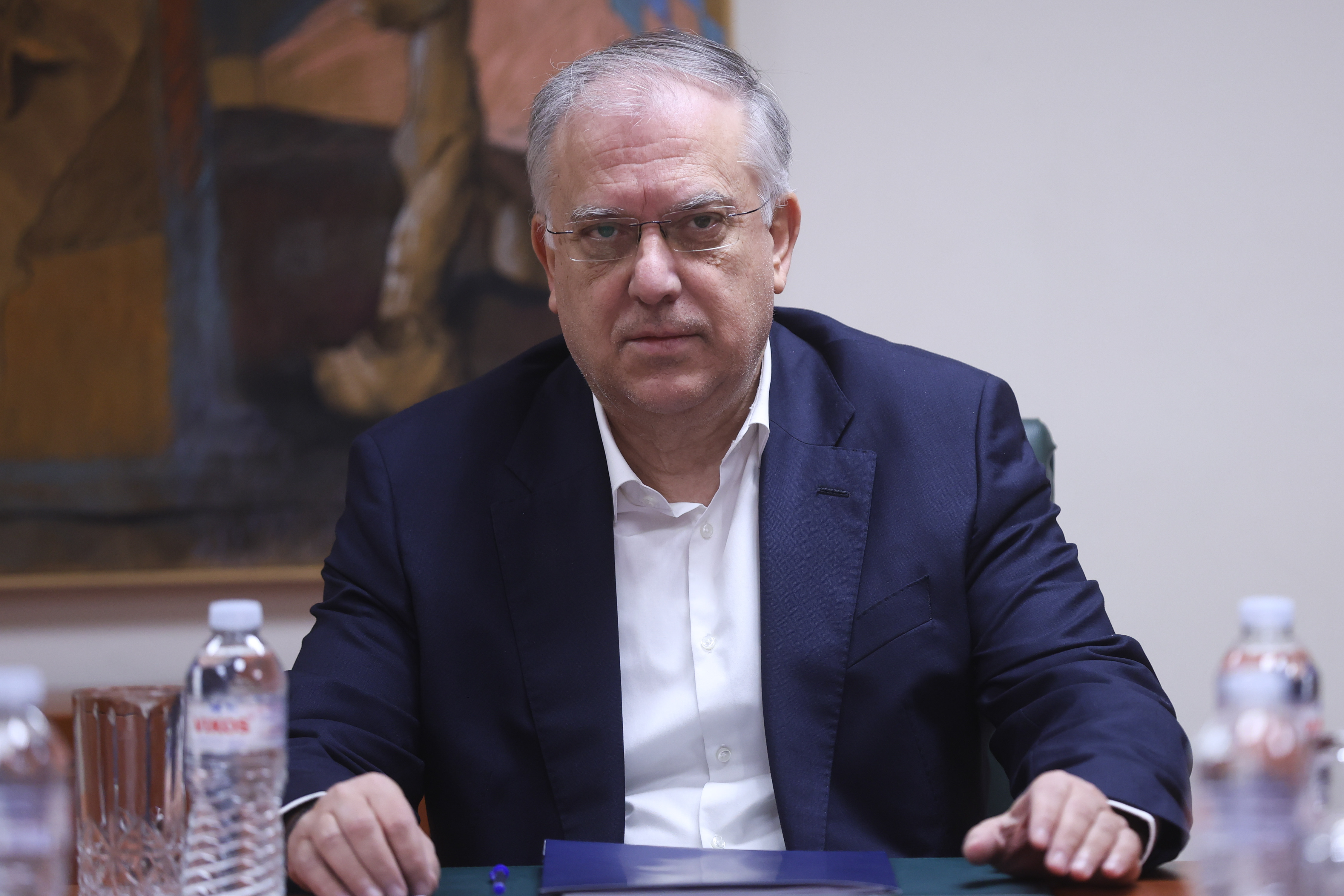
 Greece may extend price caps on food and essential goods beyond June 30, Development Minister Takis Theodorikakos said, signaling that the government is not ready to withdraw the measure amid ongoing market pressures.
Speaking in a televised interview, Theodorikakos emphasized that current conditions do not support lifting the caps on basic consumer products. “Based on the current picture, I do not believe the cap can be withdrawn,” he said, adding that restrictions will likely remain in place for key categories even after the existing deadline.
The minister drew a distinction between food and fuel markets, suggesting that fuel price controls could be eased more easily once conditions stabilize. However, he cautioned that global energy volatility—particularly linked to geopolitical tensions in the Middle East—continues to pose significant risks. A sharp rise in oil prices, he noted, could drive further increases in fuel costs.
On diesel, Theodorikakos said the effectiveness of a €0.20-per-liter subsidy will be assessed later this week, in combination with existing measures, to determine whether it can curb rising prices.
He also underscored the government’s broader response to the cost-of-living crisis, defending its early intervention and economic policies. While acknowledging ongoing challenges, he said the government has the financial capacity to support households, particularly vulnerable groups.
At the same time, Theodorikakos called for intensified market oversight, noting that a newly established consumer protection authority now has stronger legal tools to carry out inspections and impose fines. He said he expects hundreds of checks in the coming days to ensure compliance.
Beyond price controls, the minister outlined upcoming reforms targeting consumer lending. The government plans to introduce stricter rules for unsecured loans of up to €100,000, including limits on total repayment amounts and measures to eliminate opaque terms and abusive practices.
Commenting on the political landscape, Theodorikakos said the ruling party aims to secure a parliamentary majority in the next election, while dismissing the possibility of early polls. He also expressed confidence that fewer parties will enter the next parliament, stressing that voters will ultimately decide based on policy performance and stability.