
 Μake us preferred on Google
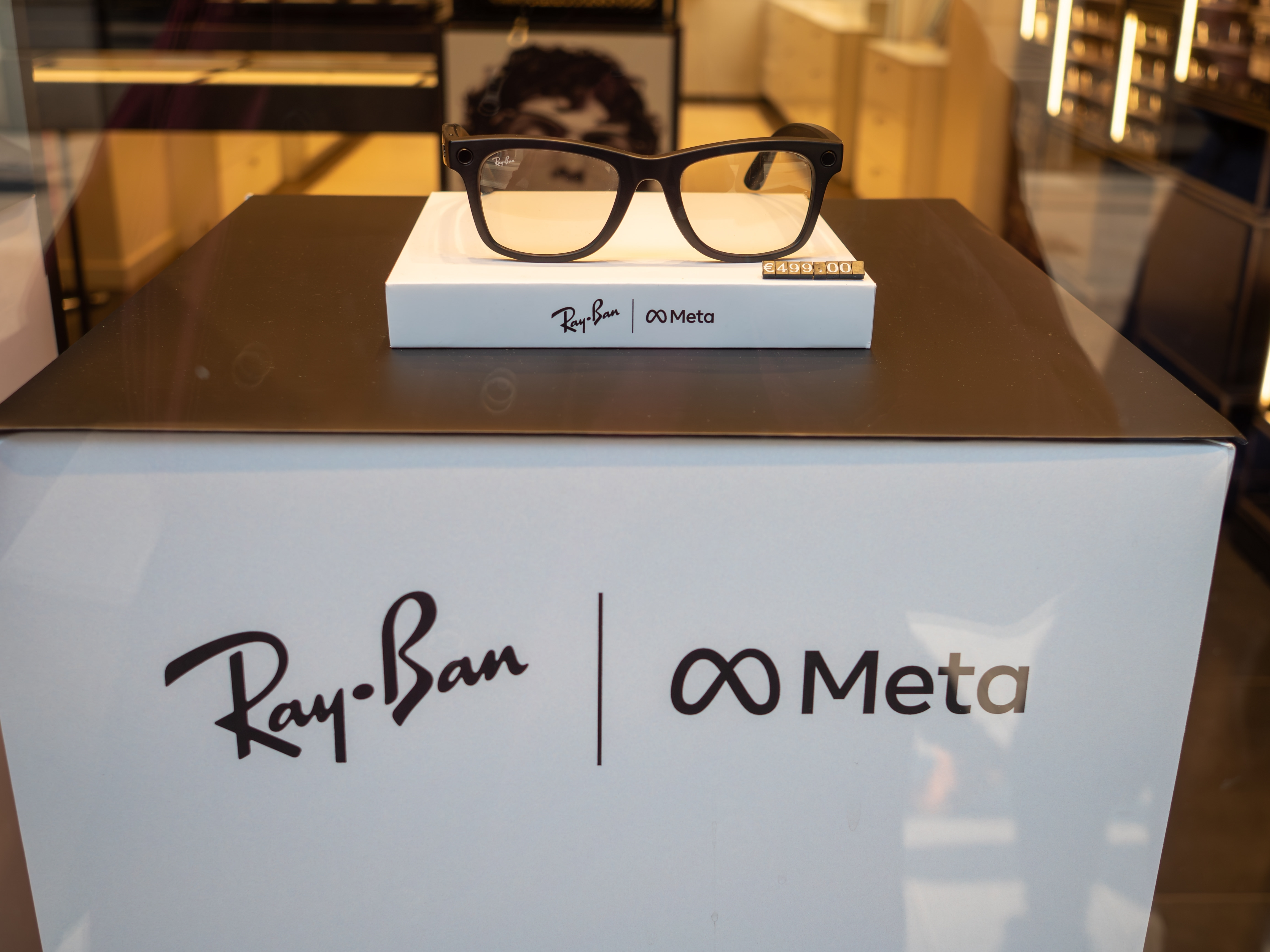
 After years of attempts by the biggest tech companies, the smart glasses experiment appears to be working, with Meta selling millions of Ray-Ban pairs fitted with built-in cameras.
The problem is that this new wearable technology can become a tool for privacy violations and even outright abuse.
Women walking on the beach or simply going about their shopping are being approached by men wearing Meta’s glasses, who ask them questions or make romantic advances toward them.
Others, mostly young men, use the glasses to film pranks on unsuspecting passersby, asking them, for example, to smell candles that have been sprayed with a foul-smelling substance.
In most cases, victims only realize they were recorded once the videos have spread online.
In most countries, legal options are limited, given that filming in public spaces is generally lawful. A woman told the BBC a few days ago that when she asked the man who had been secretly filming her to delete the video, he replied he would only do so for a fee.
When Google launched its first smart glasses a decade ago, the product failed spectacularly. Thanks to improvements in the technology and its integration with AI services, Meta now dominates the market with an 80% share.
The glasses, developed in partnership with EssilorLuxottica, the owner of Ray-Ban, have cameras built into the frame that are difficult to spot. They also feature a microphone and lenses that display information to the wearer.
Meta is reportedly considering adding a feature that would recognize the faces of people the user is looking at and display information pulled from their Instagram profiles.
The feature is not yet available, but some hobbyists have already managed to connect the glasses to facial recognition software from other companies.
And that is not the only privacy concern. Meta faced lawsuits after workers in Kenya, who review footage from the smart glasses in order to generate training data for the company’s AI models, revealed they were being required to watch users in sexual situations or in the bathroom.
In one of the two cases, the plaintiff stated that he had no idea how the videos had been created, let alone that they had been shared with third parties.
Meta, for its part, noted that users are informed through the terms of service that their videos may be reviewed by humans.
“We have teams dedicated to limiting and addressing misuse, but as with any technology, responsibility ultimately falls on users themselves not to actively exploit it,” a company spokesperson told the BBC.
To date, Meta has sold approximately 7 million pairs of glasses. However, Citigroup estimates that in the coming years as many as 100 million people could adopt the technology, as Google and Apple prepare to launch new models of their own.
Beyond the privacy threat, widespread adoption of the technology would make it difficult to enforce filming bans in places such as museums, courtrooms, or bathrooms.
“There are a lot of dark paths we could go down. I am not at all opposed to the technology, but as a social question… will I have to think about being recorded every time I step into a public space?” asked David Kessler of the law firm Norton Rose Fulbright.
Privacy concerns were one of the reasons Google Glass failed a decade ago. The same could happen with the new models, according to David Harris, a former Meta researcher who now teaches at the University of California, Berkeley and advises on AI policy.
As he put it, “this type of technology is a fundamental invasion of privacy and will certainly face growing backlash.”