 Μake us preferred on Google
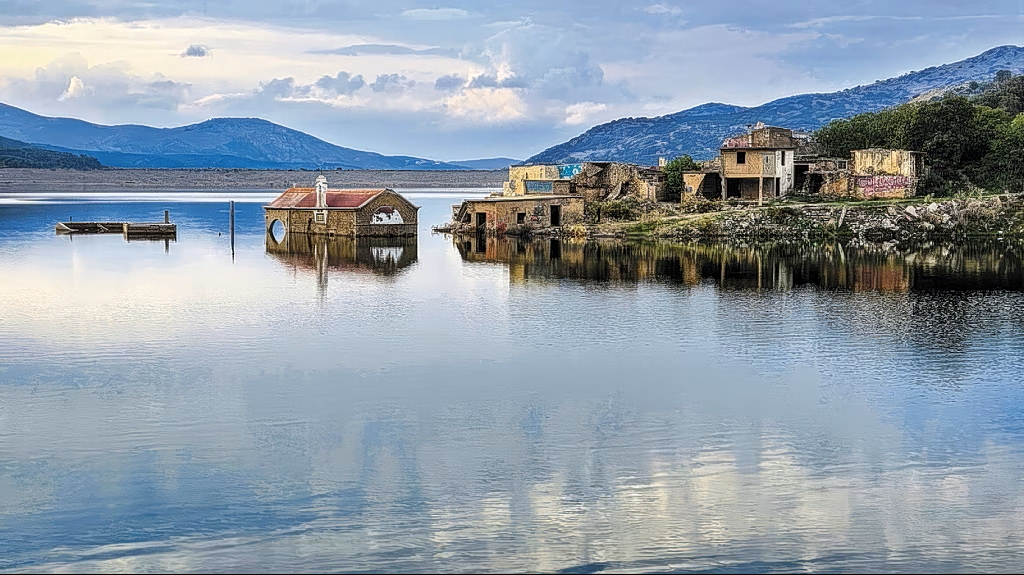
The Aposelemis dam, a key source of drinking water for eastern Crete, is now more than 85% full, holding approximately 20.7 million cubic meters of water. The Potamon dam in the Amari area of Rethymno has also overflowed, reaching 22.5 million cubic meters — an unprecedented development for October.
The improvement marks a dramatic reversal from February, when Aposelemis held only about 1.35 million cubic meters, with less than 700,000 cubic meters available for supplying the municipalities of Heraklion, Hersonissos and Agios Nikolaos.
Aris Papadogiannis, chief executive of the Organization for the Development of Crete, said the current reserves at Aposelemis create the conditions for meeting eastern Crete’s water needs for the next two years. The dam supplies drinking water to as many as 450,000 people during the peak tourist season.
The Potamon reservoir’s 22.5 million cubic meters, meanwhile, are considered sufficient to cover the area’s irrigation needs for the next three years.
Relief after two years of water stress
The recovery comes after two consecutive years of reduced rainfall and persistent drought placed water resources under pressure across Greece, particularly on islands where demand rises sharply during the summer tourist season.
Crete was among the areas most seriously affected. In 2024, several municipalities faced emergency conditions because of water shortages, while the Messara plain experienced severe pressure on agricultural production. The Faneromeni dam, a major source of irrigation water in the area, fell to critically low levels amid limited rainfall, high temperatures and excessive water extraction.

File photo: An image depicting low levels of water at Mornos dam- a key water source for the Athens region. Low water levels have sparked conversations in Greece about the need for integrated water management systems. Photo: Antonis Nikolopoulos / Eurokinissi
The broader national problem was also evident in Attica prefecture, where reserves supplying the greater Athens-Piraeus agglomeration fell sharply. The government declared a water-supply emergency in November 2025, as reservoir levels approached historic lows.
Although the 2025-26 hydrological year brought substantially more rainfall and some recovery in water reserves, specialists have cautioned against assuming that the underlying problem has been resolved. Agriculture accounts for approximately 75% to 80% of Crete’s water consumption, making efficient irrigation and the reduction of network losses central to the island’s long-term water security.
The Organization for the Development of Crete is proceeding with plans to improve water infrastructure. One major project is a 25-million-euro water treatment plant at the Potamon dam, intended to provide drinking water to Rethymno over the next three years and strengthen supplies to its tourist areas.
Work is also being planned at the Valsamiotis dam in Chania, which has suffered persistent leakage and cannot retain its full designed capacity. The organization has prepared studies to address the water losses and develop a pipeline network to channel supplies to the Chania plain for irrigation. The proposed interventions are estimated to cost approximately 14 million euros. Discussions are also under way with the relevant ministries over the organization’s possible assumption of responsibility for managing the dam.
The scale of the recent rainfall is reflected in measurements recorded by the National Observatory of Athens. Between Oct. 1 and 18, the Xyloskalo station in the Samaria area of Chania recorded 1,011 millimeters of rain, a record for the station. The Samaria Gorge recorded 764 millimeters, Anogeia in Rethymno 693 millimeters and Potamoi in Lasithi more than 500 millimeters.