 Μake us preferred on Google
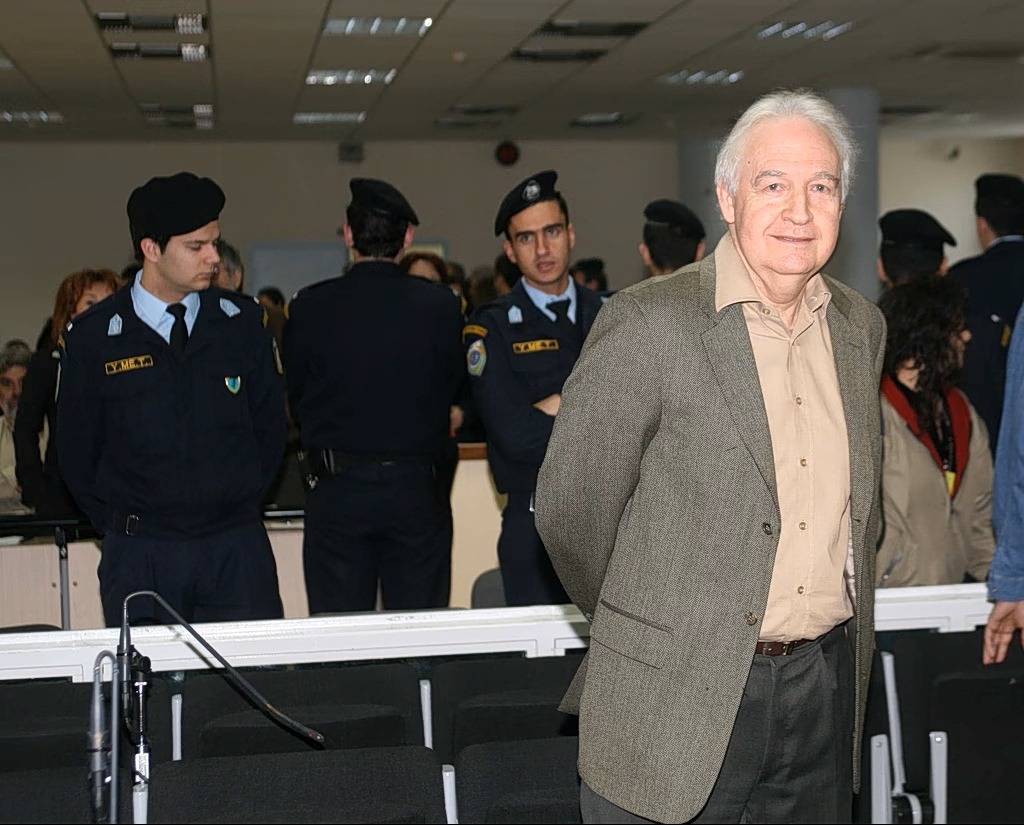
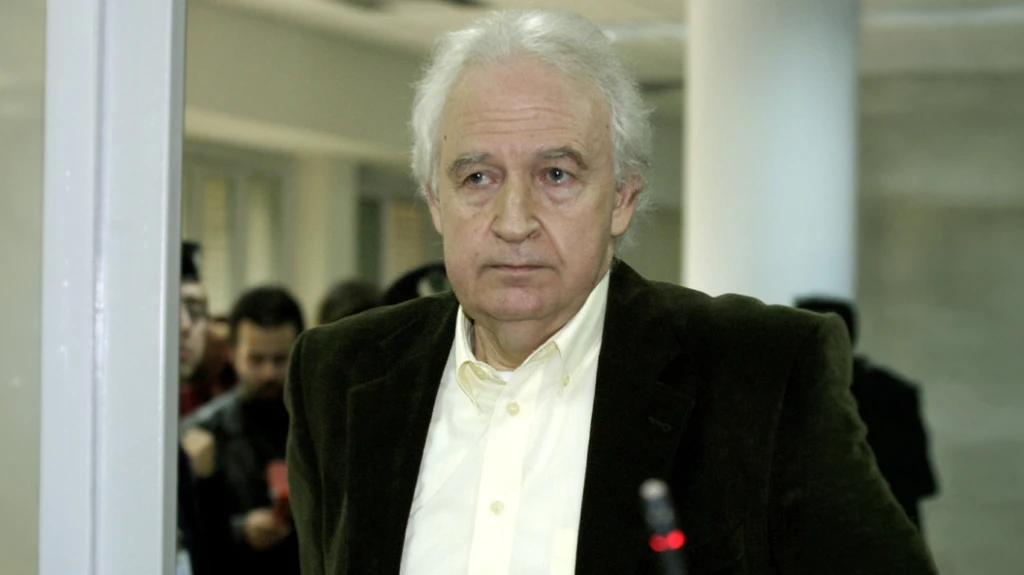
 Greece’s Supreme Court on Monday ordered convicted November 17 ringleader Alexandros Giotopoulos back to prison, overturning a lower court decision that granted him conditional release and ending a brief period of freedom for the man convicted as the mastermind of the country’s deadliest domestic terrorist organization.
The ruling came after senior judges reviewed an appeal filed by Deputy Supreme Court Prosecutor Sofoklis Logothetis, who argued that Giotopoulos, sentenced to 17 life terms plus an additional 25 years, had been released in violation of legal requirements governing prisoners serving multiple life sentences.
The high court judges deliberated behind closed doors before accepting the prosecutor’s proposal and annulling last month’s decision by a judicial council affiliated with the Piraeus Court of Appeals approving Giotopoulos’ release. The decision clears the way for his return to prison.
Legal circles had widely expected the Supreme Court to uphold the appeal.
Logothetis had concluded after reviewing the case file that Giotopoulos had not served the minimum custodial period required under Greek law for prisoners serving multiple life sentences and that the substantive conditions necessary for parole had not been met. He further argued that there had been no meaningful change in circumstances compared with previous parole requests, which had been rejected.

Giotopoulos, 82, was released last month following his fifth parole application after approximately 24 years in prison. According to court-imposed restrictions, he was barred from leaving Greece, required to report regularly to a specific police precinct and ordered to maintain a permanent residence in the east Athens district of Vyronas. His release came despite earlier negative recommendations by prosecutors and lower judicial bodies, prompting Supreme Court Prosecutor Konstantinos Tzavellas to order an immediate review of the ruling.
State Department reaction
The case triggered an unusually strong reaction from Washington.
In a statement issued after Giotopoulos’ release, the US State Department said it was “deeply disappointed” by the earlier court decision and urged the Greek government to do “everything possible” to return him to prison, noting that Giotopoulos had been convicted in connection with attacks that killed American diplomatic officers and military staff.
Washington’s reaction, in turn, generated a statement by the Association of Judges and Prosecutors, which accused the US side of encroaching on judicial independence, stressing that decisions regarding the conditional release of prisoners fall exclusively within the jurisdiction of the courts and cannot be reversed by the executive branch.
The controversy has reignited debate in Greece over parole provisions for inmates serving multiple life sentences and over the legacy of November 17, the Marxist militant terror group responsible for a series of assassinations, bombings and armed attacks between 1975 and 2002. The gang’s members killed 23 people, including Greek politicians, businessmen, police officers and foreign diplomats from the United States, Britain and Turkey.
Giotopoulos was arrested on the small Dodecanese island of Lipsi in the summer 2002 during the campaign to arrest N17 members. He was subsequently convicted as the group’s leader and principal instigator. Throughout the investigation, trial and subsequent imprisonment, he denied the charges and never expressed remorse for the crimes attributed to the terrorist organization.
Other convicted November 17 members who remain imprisoned and serving multiple life sentences include arch-assassin Dimitris Koufodinas and brothers Savvas and Christodoulos Xiros.