 Μake us preferred on Google
 Officials at Athens Metro (Attiko Metro) are trying to strike a reassuring tone on residents’ safety, while at the same time pointing to inspections, assessments and technical findings that are still pending.
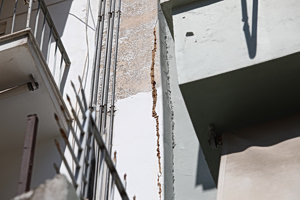
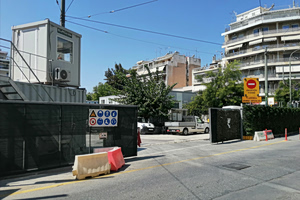
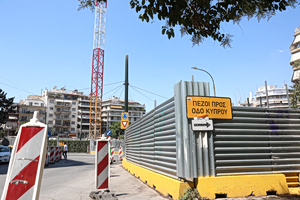
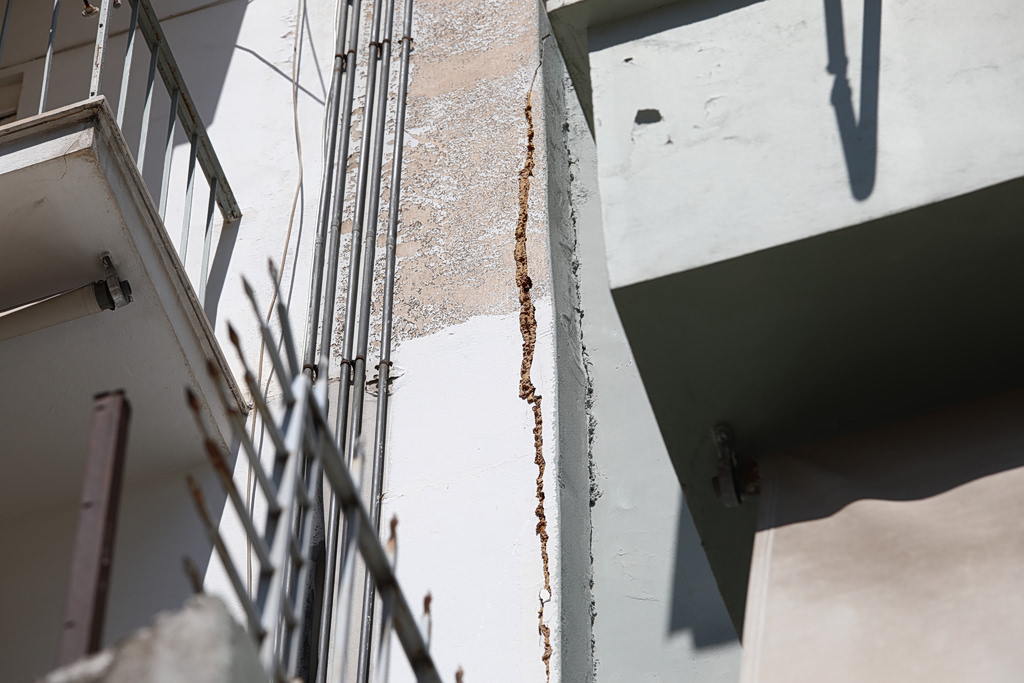
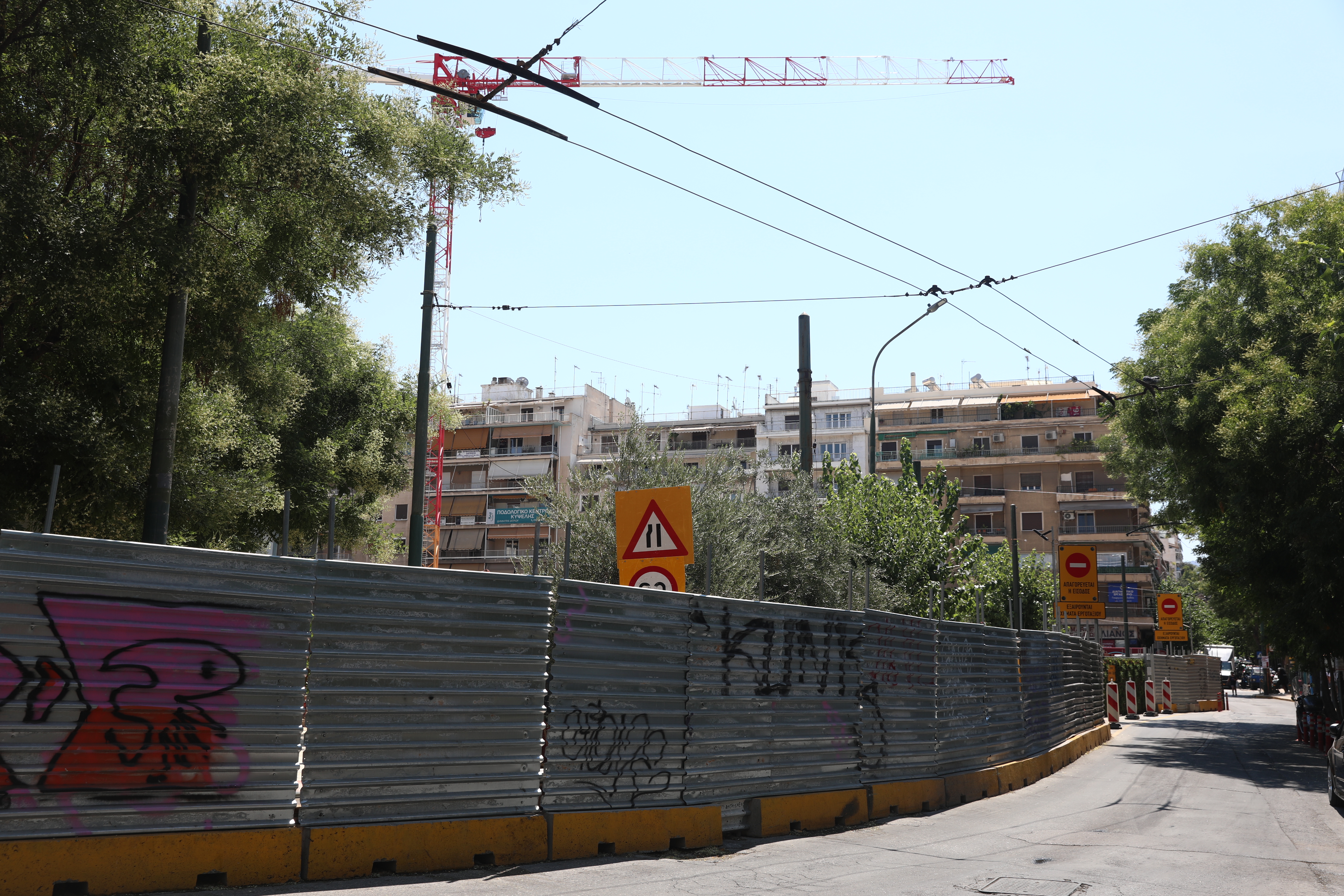
That’s the picture that emerges from a letter the company sent to TO ΒΗΜΑ, following a report that revealed serious damage to apartment buildings in Kypseli, where the tunnel boring machine passed during construction work on Line 4. The damage placed some buildings in the “red” category and others in the “yellow” category, according to the findings of the company’s own study, which was sent to the Municipality of Athens and, in turn, to the independent engineers reviewing the situation on behalf of residents.
What the company says about the color codes
In its letter, the company is quick to clarify that the color labels (“red,” “yellow,” “green”) used in the Special Vulnerability and Relative Risk Studies for Buildings and Structures (known by its Greek acronym, METSDIKK) do not carry the same meaning as the color codes used in inspections following natural disasters. Even so, it describes this as an internal review process that leads to a further assessment at the next level of METSDIKK.
In other words, regardless of the terminology being used, the “red” or “yellow” label is not merely descriptive. It is tied to the need for further inspection and evaluation. In fact, the company itself notes that special measures are only required, under this methodology, when a building is classified “red” at Level III of METSDIKK, and that no such classification has occurred so far in any of the buildings the tunnel boring machine has passed under. That said, this shows the methodology itself had already flagged the need for further checks and evaluation early on.
Additionally, Athens Metro states that:
– A technical consultant appointed by Athens Metro is currently assessing the technical reports submitted by the contracting consortium. The findings will be presented to the Municipality of Athens and to residents’ technical experts within September.
– An independent technical assessment by the Technical Chamber of Greece (TEE) regarding the damage to the buildings is underway, with the relevant reports still pending.
It also notes that the data requested by the Municipality of Athens, to be shared with the technical consultants appointed by residents, can only be properly assessed by specialized, experienced personnel who are fully informed about the conditions of the project. “In any case, and regardless of the ‘internal review process’ referenced in this letter, the only self-evident comment that can be made is that residents’ safety is an absolute, non-negotiable priority that stands above and beyond any project, however important, complex, or difficult it may be,” said Panagiotis Karydis, professor at the National Technical University of Athens, in comments to “To Vima.”
The letter to “To Vima” in full
“From the very first moment, on-site inspections were carried out at the buildings where damage was reported or declared, by the contracting consortium, as it was required to do under its contractual obligations. Athens Metro SA gave a thorough briefing, including the technical data available at that first stage, to the Athens Municipal Council on July 29, 2026. Based on this and more recent data, no issue has arisen regarding the safety of residents remaining in their homes.
A technical consultant appointed by Athens Metro is currently assessing the technical reports submitted by the contracting consortium regarding the tunnel excavation using the TBM (tunnel boring machine). Once complete, its conclusions will be presented to the Municipality of Athens and to residents’ technical experts, a commitment by Athens Metro expected to be fulfilled within September 2026.
At the same time, an independent technical assessment by the Technical Chamber of Greece (TEE) regarding the damage caused to the buildings is underway, with the relevant reports still pending.
Athens Metro is already forwarding the data requested by the Municipality of Athens, to be shared with the technical consultants appointed by residents. This technical data can only be properly assessed by specialized, experienced personnel who are fully informed about the conditions of the project.
As for the color classifications of buildings, as they appear in the Special Vulnerability and Relative Risk Studies for Buildings and Structures (METSDIKK), these relate solely to the assessment of relative risk from deformation caused by the Metro works, as provided for under the project contract, and should in no way be confused with the classifications used in visual inspections carried out after natural disasters. This is an internal review process under the contract that leads to a further assessment at the next level of METSDIKK. Special measures are only required, under this methodology, in the case of a “red” classification at Level III of METSDIKK. To date, no such classification has occurred in any of the buildings the TBM in question has passed under.
Athens Metro, a fully public company with many years of expertise in tunnel construction in urban environments, is committed to keeping all public authorities and stakeholders continuously informed, based on technical data and assessment results arising from round-the-clock monitoring of structures along the axis of the tunnel under construction. It reiterates once again its absolute commitment to protecting the safety of residents and their property, and to their full and final restitution in the event that any damage occurs.”