 Μake us preferred on Google
For the past four years, Salim Slebi has watched Israeli settlers seize hilltop after hilltop in the occupied West Bank, as Benjamin Netanyahu’s far-right coalition has overseen the biggest expansion of outposts in the Palestinian territory on record. But he never expected the same thing to happen in Israel.
Then, one day in September, it did. On a ridge overlooking Majd al-Krum, an Arab town in northern Israel where Slebi serves as mayor, a group of settlers pitched tents and hoisted an Israeli flag on land owned partly by the Jewish National Fund — and partly by Arab landowners.
After mass protests from locals, the settlers eventually left. It later emerged that the fund had only given permission for grazing on its land.
But Slebi doubts their departure is the end of the matter. The settlers arrived just days after Bezalel Smotrich, Israel’s ultranationalist finance minister, set out a plan to “Judaise” the Galilee and the Negev, two parts of Israel where the majority is Arab rather than Jewish, if his party is part of Israel’s next government.
“It was very clear to us that they are trying to transfer what they are doing in the West Bank to the Galilee,” says Slebi. “They don’t have any limits . . . it is only a matter of time before they come back.”
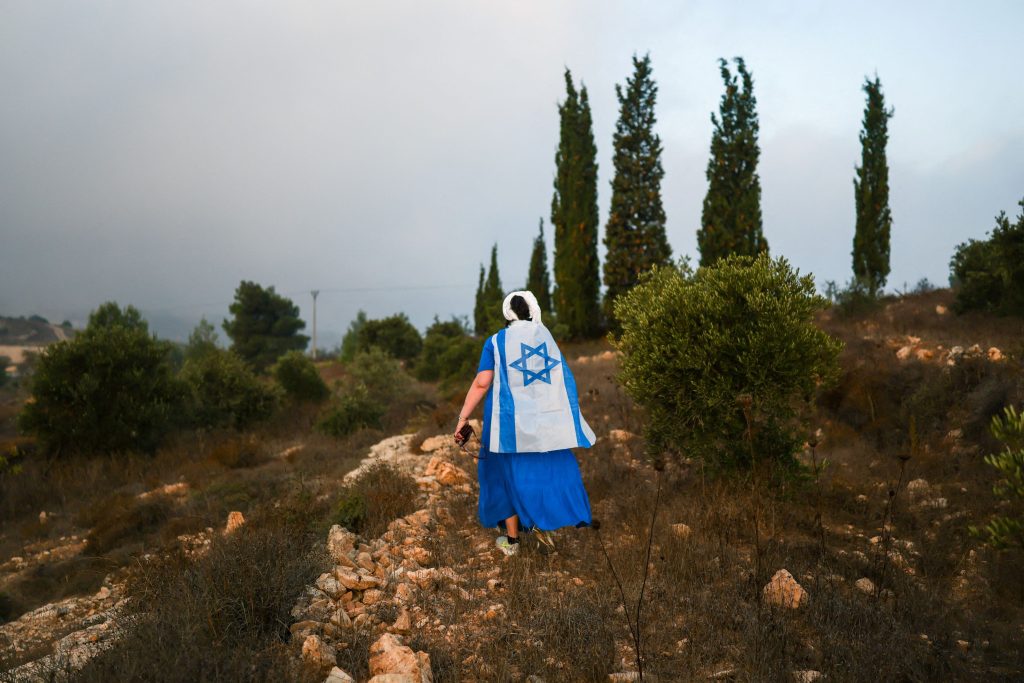
A Jewish settler walks towards olive trees owned by Palestinians due to be harvested, near the Israeli settlement Neve Daniel, in the Israeli-occupied West Bank, October 12, 2026. REUTERS/Ronen Zvulun TPX IMAGES OF THE DAY
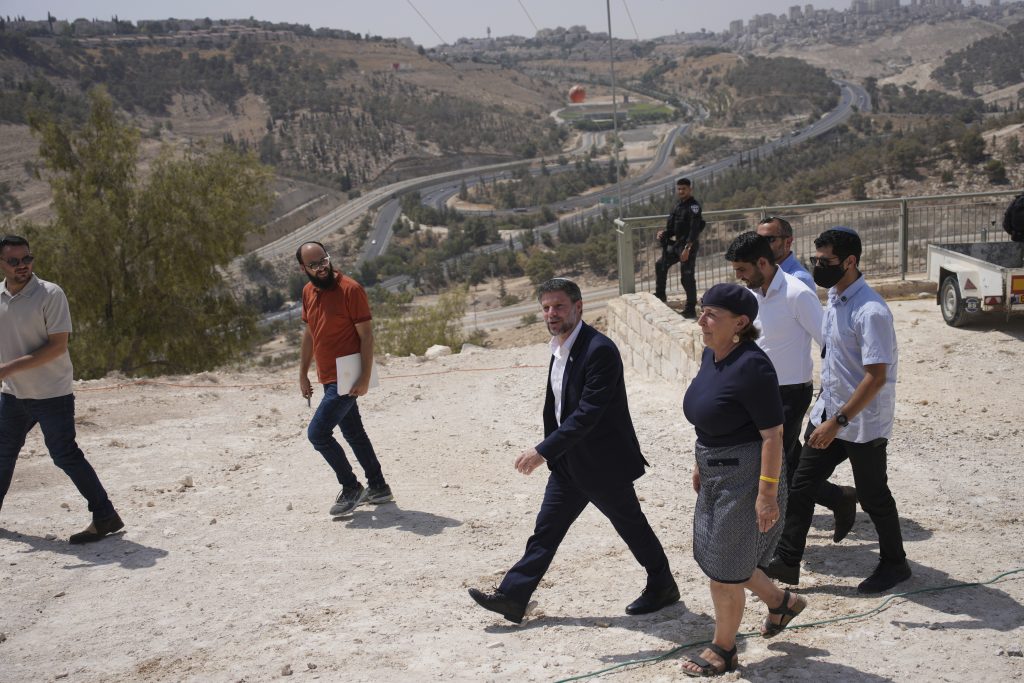
CORRECTS DAY Israeli Finance Minister Bezalel Smotrich arrives for a press conference about new settlement construction in the Israel-occupied West Bank near Maale Adumim, Thursday, Aug. 14, 2025. (AP Photo/Ohad Zwigenberg)
Smotrich’s plan — to which he gave the tagline “Yes. We’re Judaising!” — is part of a suite of hardline proposals put forward by members of Netanyahu’s coalition ahead of an election that many in the country regard as the most important in Israel’s near 80-year history.
The poll next Tuesday is the first since the catastrophe of Hamas’s October 7 2023 attack. For many Israelis, the vote will be a reckoning with that day and the failures that preceded it. But it is also a choice between two radically different visions of the country’s future.
In the year before Hamas’s attack, a bitter feud over the very nature of the Israeli state split the country into two camps. One, nationalist and religious, was led by Netanyahu’s coalition and the other, more secular and politically heterodox, was represented by the opposition.
That same faultline underlies Tuesday’s vote. Members of Netanyahu’s coalition, widely regarded as the most rightwing in Israeli history, are touting ideas that are, if anything, more radical than anything they have done so far. These range from emptying Gaza of Palestinians to the resumption of a controversial judicial overhaul that sparked months of mass protests before the Hamas attack.
The opposition is pledging to undo this legacy, with the judicial changes that have already passed into law among the things it plans to roll back. But its members are also promising measures the government refuses to countenance: ending the blanket exemption from military service for Israel’s ultra-Orthodox community and holding a state inquiry into the failures of October 7.
Polls suggest the race is on a knife edge. Neither Netanyahu’s bloc nor the opposition, centred around former general Gadi Eisenkot’s Yashar party, is forecast to win a majority. Whether either can form a government is likely to depend on post-election horse-trading, which could last for months.
But analysts say the fundamental choice is as stark as any put before Israeli voters. Even if it takes further rounds of voting to reach a decisive outcome, the implications will be profound for the fabric of Israeli society, for the Palestinians and for Israel’s position in the world, with even traditional allies threatening sanctions over the government’s hardline policies in the West Bank.
For opposition voters in particular, the sense of jeopardy is acute. “Israel is moving culturally, religiously, in a certain direction, where the people who want Israel to remain a western liberal democracy connected to universal ideals feel under threat,” said Shmuel Rosner, an Israeli pollster.
“[The choice in this election] goes to the very core of Israel’s identity as a country.”
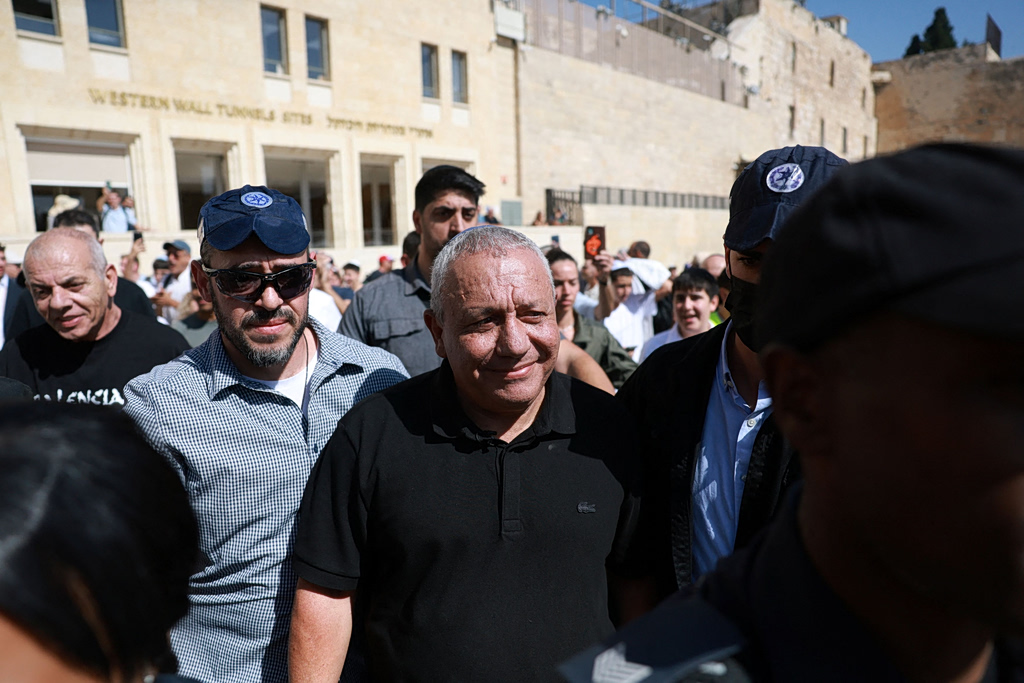
Yashar party leader and former Israeli military chief Gadi Eisenkot visits the Western Wall, Judaism’s holiest prayer site, ahead of Israel’s national election, in Jerusalem’s Old City, October 22, 2026. REUTERS/Ronen Zvulun
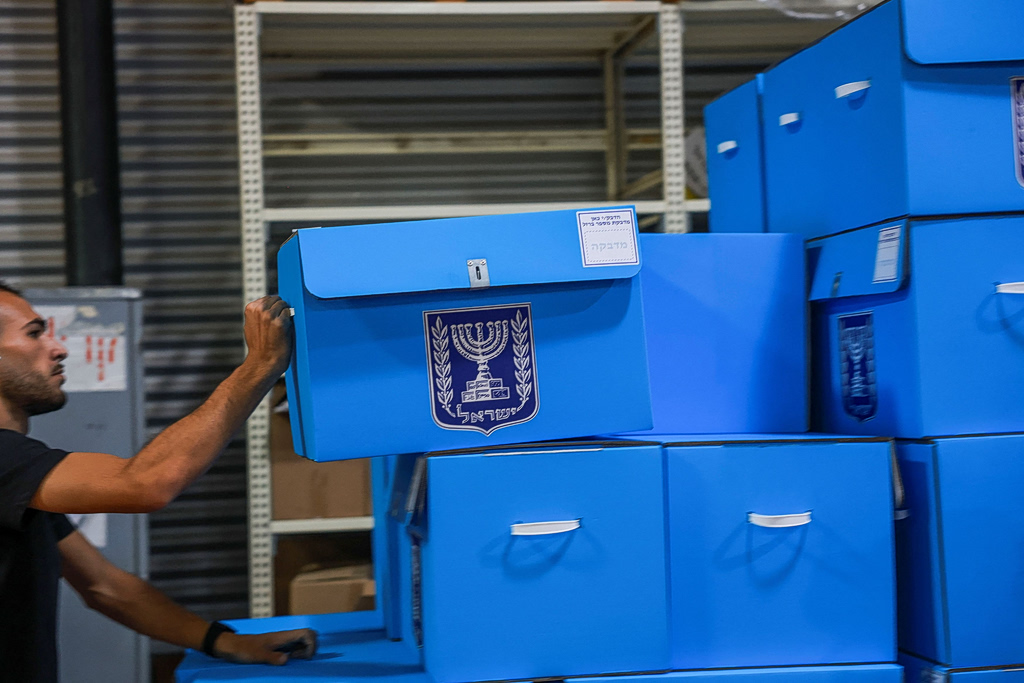
A worker prepares ballot boxes for distribution, at the Israeli Central Elections Commission warehouse, ahead of Israel’s national election, in Shoham, Israel, October 14, 2026. REUTERS/Ronen Zvulun
Existential threats
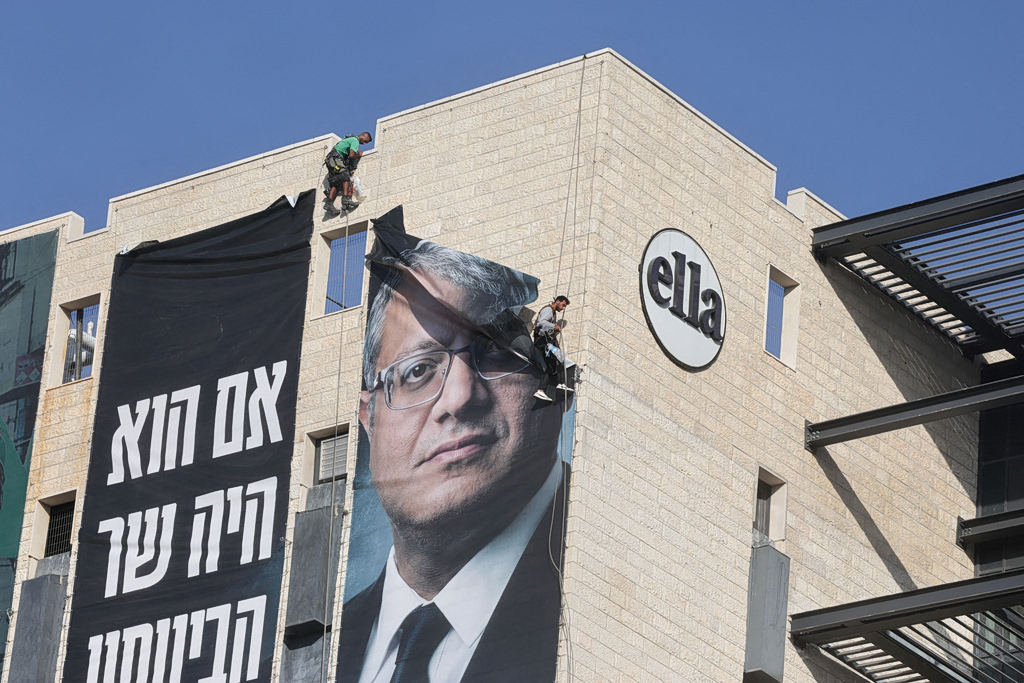
At the heart of the choice facing Israelis is Netanyahu. The veteran prime minister has led Israel for 19 of the past 30 years, dominating its political scene like no other leader. He also has become an intensely polarising figure, with corruption charges, which he denies, and a series of fallings-out with erstwhile allies limiting his political options.
At the previous election in 2022, with several parties refusing to enter a coalition with him, Netanyahu returned to power by allying with the ultra-Orthodox and two of the country’s most extreme-right parties. He insisted he would have his hands “firmly on the steering wheel”. But his coalition’s policies have been heavily influenced by his ultranationalist allies. Most observers expect that, were his coalition to return to power, the same dynamic would play out again.
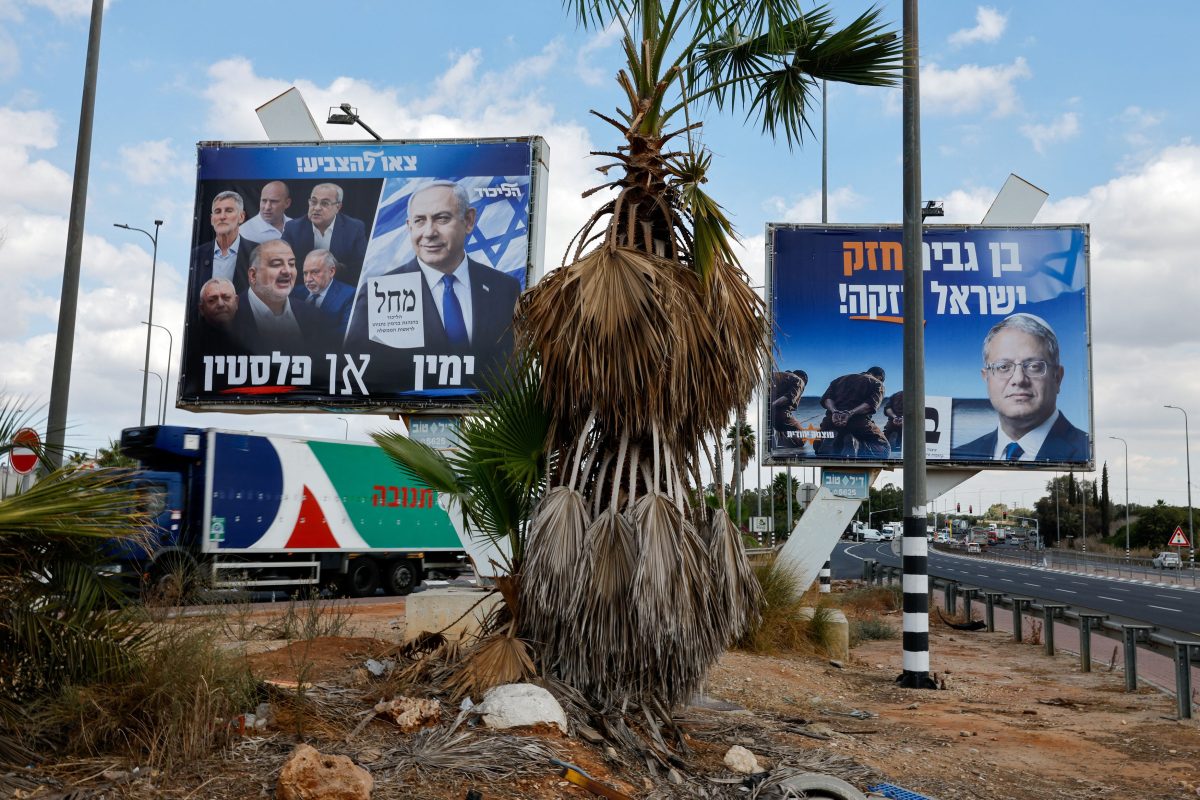
Netanyahu has sought to cast the election as a choice between his bloc, which would stand up for Israeli interests, and an opposition that would capitulate to international pressure. No opposition party is proposing the establishment of a Palestinian state. But the campaign motto of Netanyahu’s Likud party portrays the vote as a simple choice: Yamin o Falestin — the right, or Palestine.
The party has repeatedly said it will thwart a Palestinian state. In August it said that if the coalition were re-elected it would maintain its “historic momentum in the settlement” of the West Bank, where it approved more than 100 new settlements — which are illegal under international law — during its term.
Netanyahu’s allies have gone far further. Last month, the ultranationalist Jewish Power party, headed by national security minister Itamar Ben-Gvir, who was previously convicted of incitement to racism against Arabs, set out a plan for removing 1.86mn Palestinians — nearly 90 per cent of Gaza’s population — from the Palestinian enclave over the next seven years.
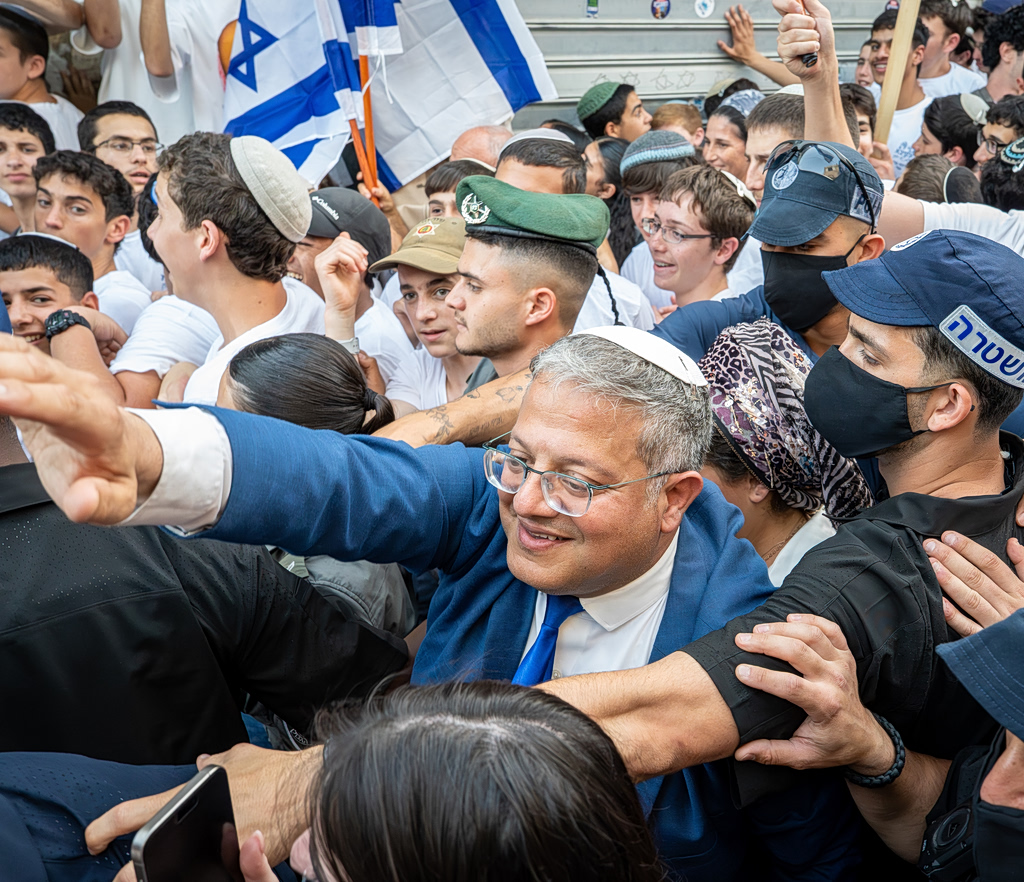
Itamar Ben-Gvir, leader of the Jewish Power party, in Jerusalem. He and others on Israel’s right advocate ‘encouraging’ the emigration of Palestinians from the West Bank. Teo K / Shutterstock.com

A right‑wing supporter, right, confronts a left‑wing activist during a campaign event ahead of Israel’s general election at the Mahane Yehuda market in Jerusalem, Friday, Oct. 9, 2026. (AP Photo/Ohad Zwigenberg)
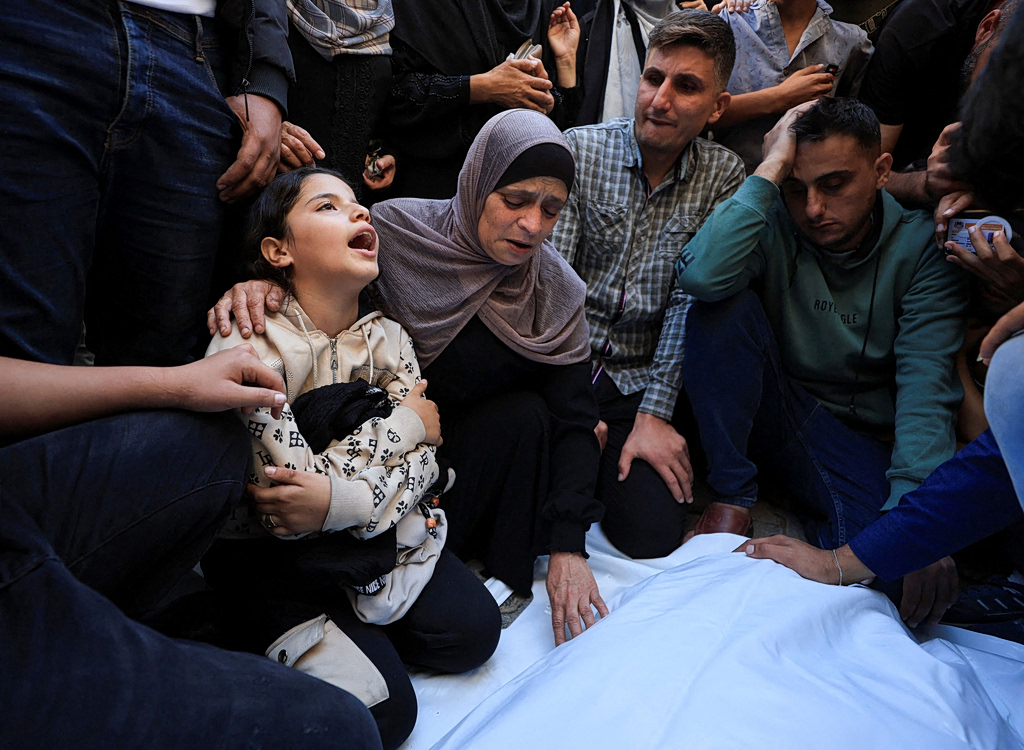
Dema, daughter of Palestinian man Akram Yassin and his wife Dina Abu Baker, who were killed in an Israeli strike, attends their funeral in Gaza City, October 20, 2026. REUTERS/Dawoud Abu Alkas TPX IMAGES OF THE DAY
He is not alone. Ofer Winter, the head of a new rightwing party seeking to join Netanyahu’s coalition, also backs what he and Ben-Gvir both call “voluntary” emigration from Gaza. Moshe Feiglin, an extremist whose Zehut party is running on a joint slate with Smotrich, has said he wants to see Gaza “empty”. “Occupation, transfer all, all the Arabs. I don’t care. They cannot stay there after what they did,” Feiglin told the Jerusalem Post this month.
Ben-Gvir and Smotrich have both said Israel should also “encourage” the emigration of Palestinians from the West Bank. Smotrich, who has long advocated annexing that territory, said last month that Israel should also annex the more than half of Gaza it already controls, as well as land up to the Litani River in southern Lebanon.
Among an increasing share of rightwing Israelis, such messages are vote winners. “There are a lot of places in Israel that belong to us but the Arabs claim they are theirs,” said Yosef, a 32-year-old who owns two stalls in Jerusalem’s Mahane Yehuda market, and is planning to vote for Ben-Gvir. “If we want to win, we have to take back what belongs to us.”
For Arab Israelis, who make up a fifth of Israel’s population, and more leftwing Jewish Israelis, the gradual mainstreaming of ideas such as population transfer that were once beyond the pale is horrifying. “These are eliminationist policies,” says Diana Buttu, a Palestinian-Israeli lawyer and analyst. “This is existential.”
Others worry about the international implications. In recent months, several countries, including the UK, France, Canada, Spain and the Netherlands, have announced or imposed sanctions on goods from settlements in the West Bank in protest at their relentless expansion and the Israeli government’s refusal to rein in spiralling settler attacks on Palestinians, which the UK foreign secretary Ed Miliband recently branded “ethnic cleansing”.
“If anybody was holding anything back [in terms of sanctions], another three or four years of this government will trigger anything and everything the international community can think of to express their deep distaste and revulsion for this Israel,” says a senior opposition official.
“And the argument that there is an alternative, there is another Israel . . . just falls flat if we cannot replace this government.”
Israeli party leadership
From left to right on the political spectrum
• Yair Golan
Head of the Democrats and a former deputy chief of the Israeli military. Golan’s party is the most leftwing grouping that will make it into the Israeli Knesset and the only one openly arguing that Netanyahu’s opponents should work with Israel’s Arab parties to oust his coalition.
• Naftali Bennett
A former prime minister who heads the centrist B’Yachad ticket, uniting his and fellow former prime minister Yair Lapid’s parties. Once an ally of Netanyahu, Bennett fell out with and then briefly ousted him in 2021 by forming a coalition that included rightwing, leftwing and Arab parties.
• Gadi Eisenkot
Founder of the new centre-right Yashar party that polls suggest will emerge as the biggest opposition group, and probably the biggest party overall. The former IDF chief of staff joined Netanyahu’s wartime cabinet after October 7, but left after falling out with him over strategy.
• Benjamin Netanyahu
The veteran premier, who heads the Likud party, has led Israel for 19 of the past 30 years, longer than any leader in Israeli history. But he has become an polarising figure. Shunned by much of Israel’s political mainstream, he has retained power by allying with ultra-Orthodox and far right parties.
• Bezalel Smotrich
Israel’s ultranationalist finance minister was the main architect of the expansion of illegal settlements in the occupied West Bank over the past four years. He heads the Religious Zionist party and is running on a joint ticket with the extreme-right Zehut party led by Moshe Feiglin.
• Itamar Ben-Gvir
The national security minister was previously convicted of incitement to racism against Arabs. He heads the ultranationalist Jewish Power party and is an influential figure in Netanyahu’s coalition. He is angling for the position of defence minister if the bloc returns to power.
Both sides of the divide
For many Israelis, the election is defined by domestic politics. Perhaps the most immediate question is whether Israel will finally launch a state commission of inquiry into the failures that allowed Hamas’s October 7 attack, widely regarded as the worst security failure in Israeli history.
Netanyahu and his allies, on whose watch the disaster occurred, have resolutely opposed establishing such a commission. The opposition has pledged to do so as one of its first moves in power.
But two other issues will have an even more far-reaching impact: the coalition’s determination, if re-elected, to return to its judicial overhaul and the opposition’s pledge to end the ultra-Orthodox exemption from military service.
Before it was engulfed by the war in Gaza, Netanyahu’s coalition’s push to rein in the powers of the judiciary was the dominant issue in Israeli politics. For many on the right, the drive was a long-overdue corrective to years of judicial over-reach. Opponents saw it as an attempt to undermine the already weak checks on Israeli governments and to allow Netanyahu’s ultra-Orthodox and extreme-right allies to impose their worldview on society.
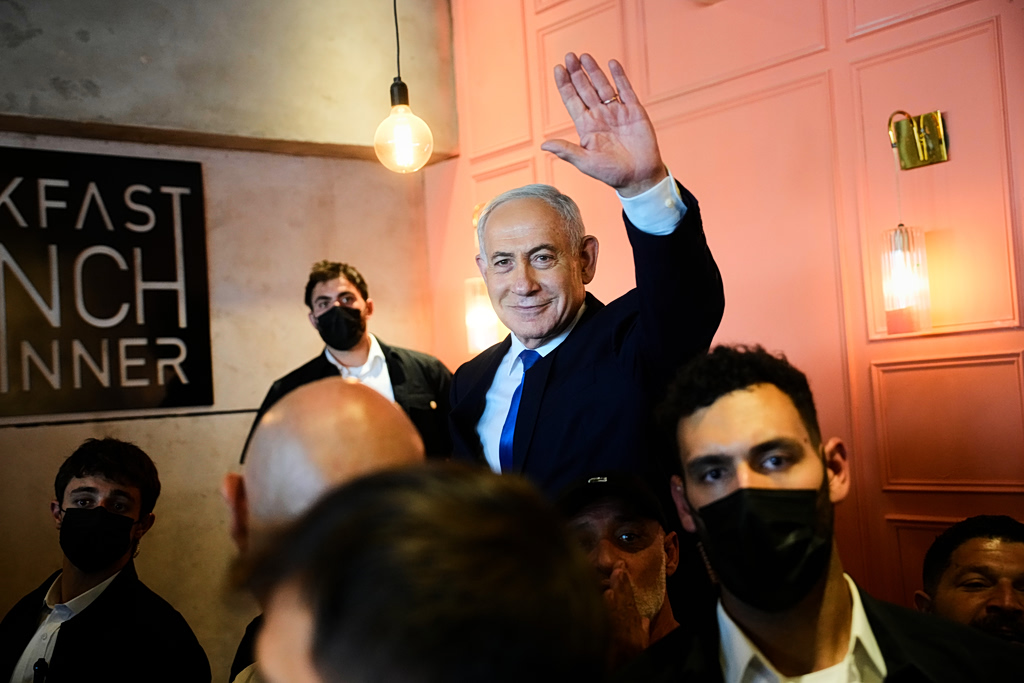
Israeli Prime Minister Benjamin Netanyahu, leader of the Likud party, waves to supporters during an election campaign in Dimona, southern Israel, Wednesday, Oct. 21, 2026. (AP Photo/Ohad Zwigenberg)
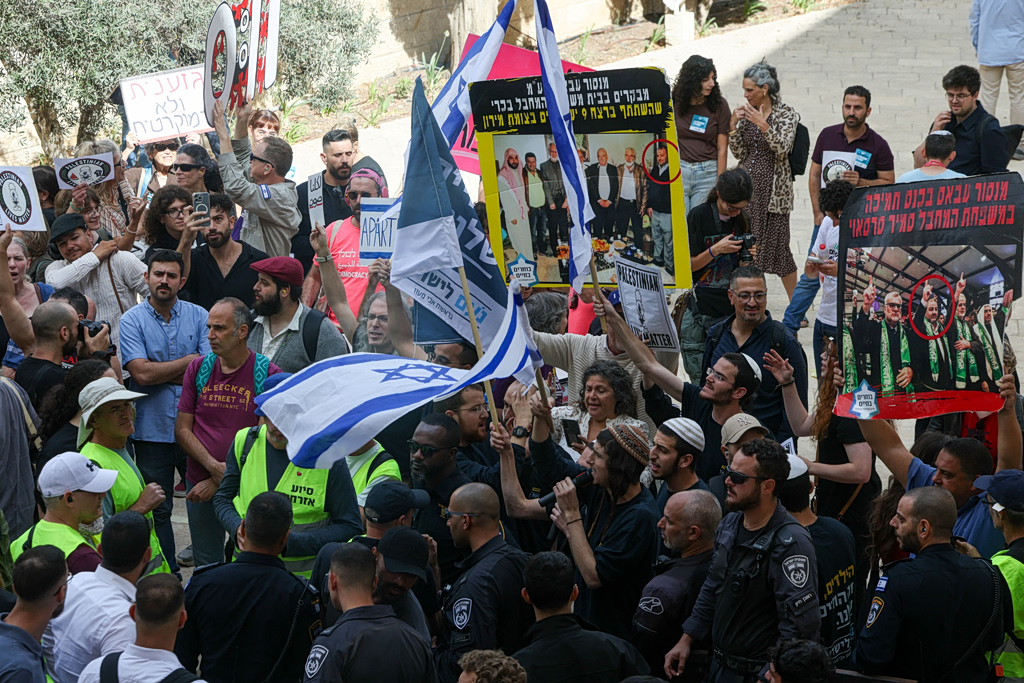
Israelis protest outside the Supreme Court on the day judges hear appeals on the Central Elections Committee’s decisions to disqualify Balad chairman Sami Abu Shehadeh, Hadash-Taal MK Ofer Cassif and Arab party lists from running in Israel’s upcoming national elections, in Jerusalem, October 1, 2026. REUTERS/Ronen Zvulun
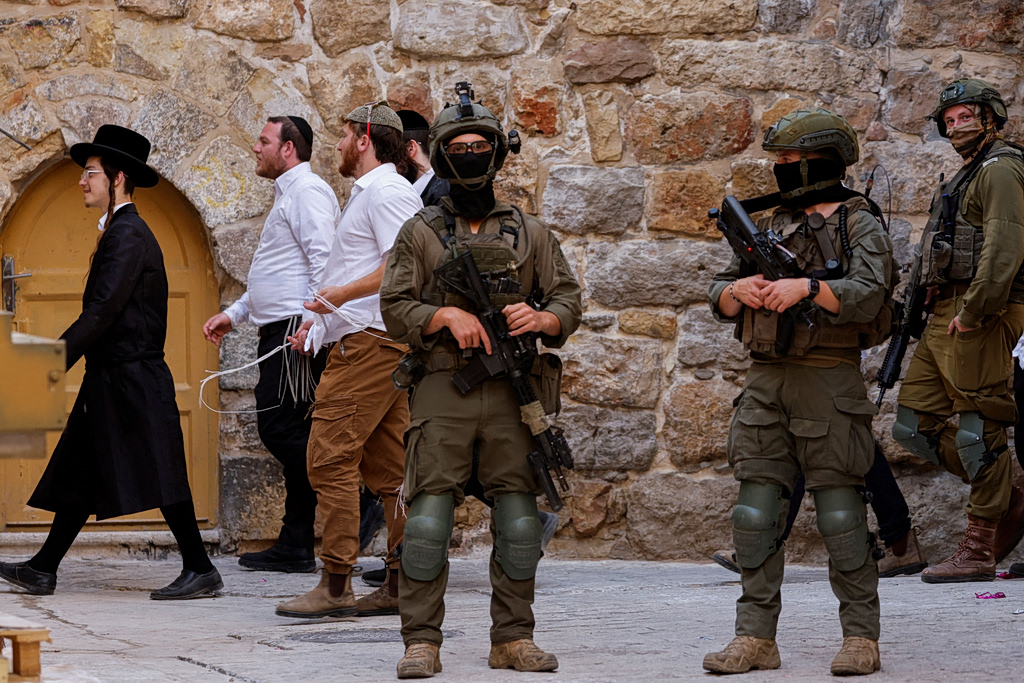
Israeli forces keep watch during Israeli settlers’ weekly tour in Hebron, in the Israeli-occupied West Bank, October 10, 2026. REUTERS/Mussa Qawasma
The overhaul was eventually frozen by months of protest and the outbreak of war. Three years on, Netanyahu’s allies are eager to put it back on the agenda. Smotrich’s Religious Zionist Party and Ben-Gvir’s Jewish Power have put forward various proposals, including allowing parliament to override Supreme Court decisions, limiting how the court can be petitioned, and ousting the attorney-general — one of the main checks on government power — and splitting up her roles.
The proposals are more radical than the relatively limited changes the government managed to achieve in its first term. But the stakes of any overhaul are raised by the fact that up to 10 new judges are due to be appointed to Israel’s 15-strong Supreme Court over the next four years, meaning that the next government could determine the political balance of the court for years.
Yohanan Plesner, head of the Israel Democracy Institute, a Jerusalem-based think-tank, says that, if implemented, such changes would “shape the nature of Israel’s democracy for many years to come”.
“It will be a change of Israel’s democratic regime in a way that concentrates all governing power in the hands of the political majority. And that power will be practised by ministers and political appointments with virtually no constraints,” he says.
Others put it more bluntly. “If we lose, Israel will stop being a democratic country,” says Yaya Fink, a candidate for the leftwing Democrats. “We succeeded in the last four years, with millions of people on the streets protesting, in keeping Israel a democratic state. But this guarantee is not forever.”
No less far-reaching is the question over the future of the complex relationship between the Israeli state and its fastest-growing demographic group: the ultra-Orthodox community, known in Hebrew as Haredim.
The exemption of Haredi religious students from military service, the result of a 1948 deal between Israel’s founder, David Ben-Gurion, and the ultra-Orthodox community, has long been a source of frustration for other Jewish Israelis. But the strain of the war in Gaza — Israel’s longest-ever conflict — on its reservist-dependent military has catapulted the topic up the political agenda.
The two ultra-Orthodox parties in Netanyahu’s coalition — Shas and United Torah Judaism — both said last week they would not join a new government with Netanyahu unless it enshrined the exemption in law, after the Supreme Court ruled in 2024 that the existing arrangement had no legal basis.
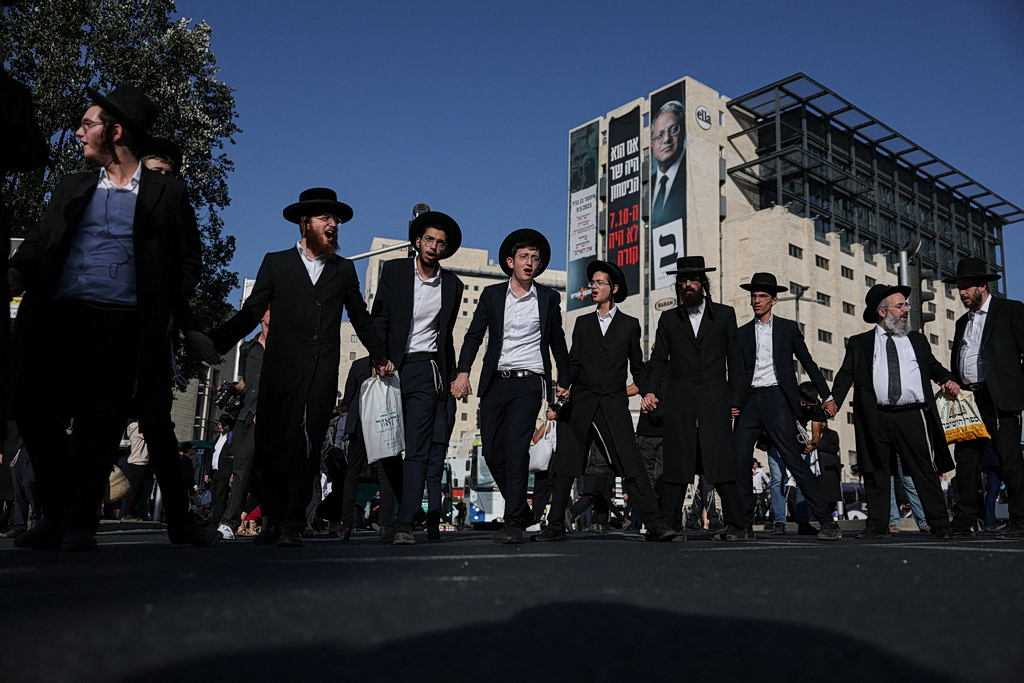
Ultra-Orthodox Jewish people block a road, during a protest against pressure to conscript the ultra-Orthodox Jewish community into Israel’s military, in Jerusalem, October 8, 2026. REUTERS/Amar Awad
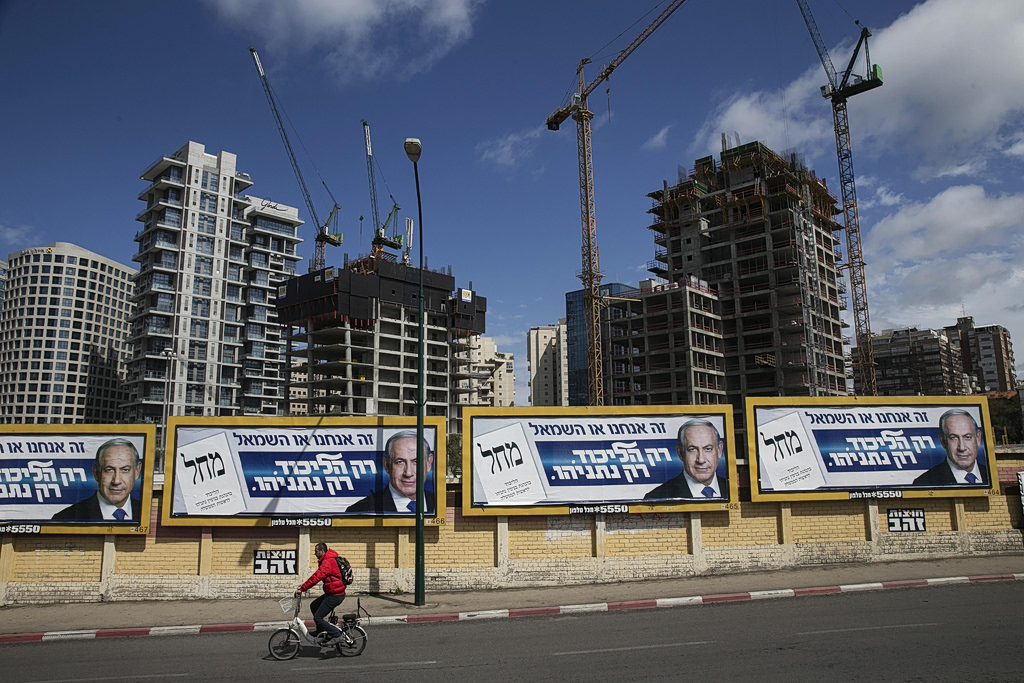
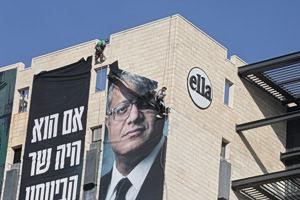
A man rides bicycle past election campaign banners of Israel’s Prime Minister Benjamin Netanyahu in Ramat Gan near Tel Aviv March 12, 2015. Israelis will vote in a parliamentary election on March 17, choosing among party lists of candidates to serve in the 120-seat Knesset.
REUTERS/Baz Ratner (ISRAEL – Tags: POLITICS ELECTIONS)
The opposition parties have made drafting the Haredim a central part of their platforms, proposing sanctions for those who do not serve that range from the loss of benefits to the loss of the right to travel and vote. Some, such as Yashar, are even proposing criminal charges for draft dodgers.
On both sides of Israel’s political divide, the issue is seen as fundamental. Aryeh Deri, who heads Shas, said this year that the election boiled down to a choice between Jewish traditions and teachings and “the rule of the attorney-general trying to erase every spark of Torah and Judaism”.
“There is no third way,” he wrote on X.
Rosner, the pollster, says the sense of urgency is even greater among opposition voters, as the growth of the Haredi community means it will become increasingly hard to outvote. Due to high birth rates, the Haredi share of the population is forecast to rise from an eighth today to a quarter by 2050.
“On the centre left there is a realisation that . . . the opposite camp is growing and maybe 10 years down the road it will be too large to be defeated,” he says, adding that this fear relates not just to Haredi conscription but also to a broader feeling that Israel is moving inexorably to the right.
“That’s why people feel this sense of urgency. That’s why so many Israelis are coming back from abroad to vote,” he adds.
For now, opinion polls suggest that even the returnees may not be enough to tip the balance either way. Both Netanyahu’s bloc and the Zionist opposition centred around Eisenkot are forecast to fall well short of the 61 seats needed to form a government. And key players in both blocs have ruled out coalitions with Israel’s Arab parties that could get them over the line.
Israel’s President Isaac Herzog, who will oversee the coalition-building, has said he wants the election to deliver a new government and will push parties to do everything to avoid falling into a cycle of repeated votes, as happened between 2019 and 2021. But even if he fails, the fundamental choice facing Israel will remain.
“The election is incredibly consequential, the most important in our lifetimes,” says a second opposition official. “Even if it isn’t decisive on election day and even in the unlikely scenario of a second round it will be settled one way or another, and [that choice] will be very dramatic.”
Copyright The Financial Times Limited 2026
© 2026 The Financial Times Ltd. All rights reserved. Please do not copy and paste FT articles and redistribute by email or post to the web.