 Μake us preferred on Google
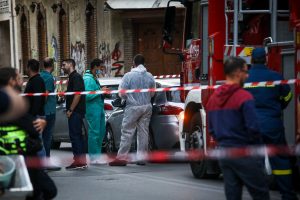
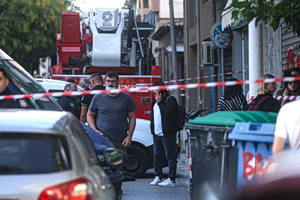
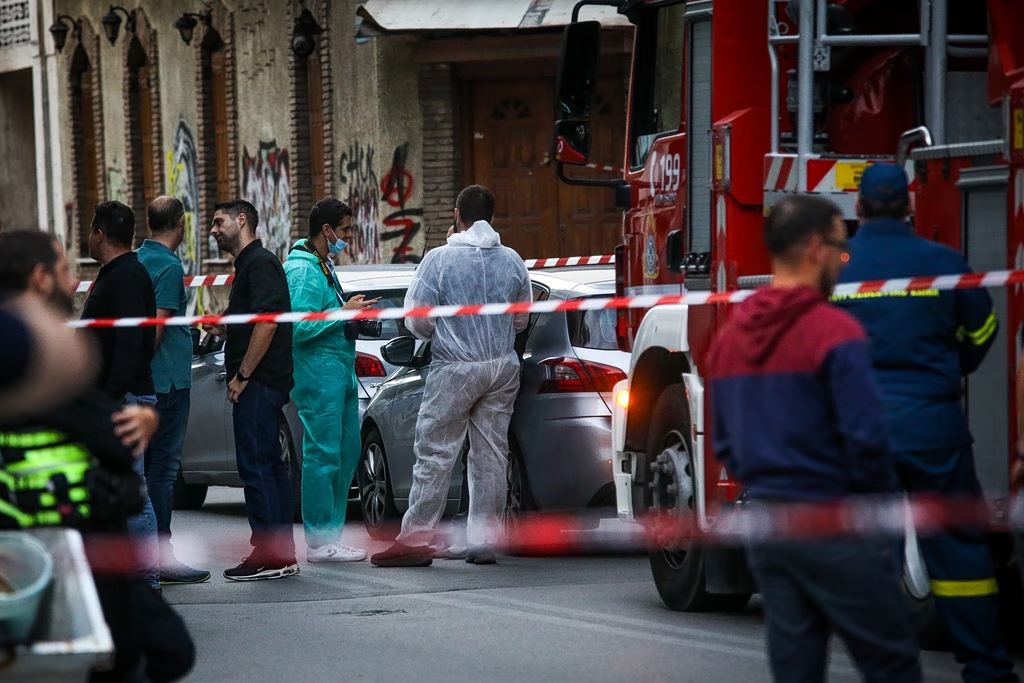
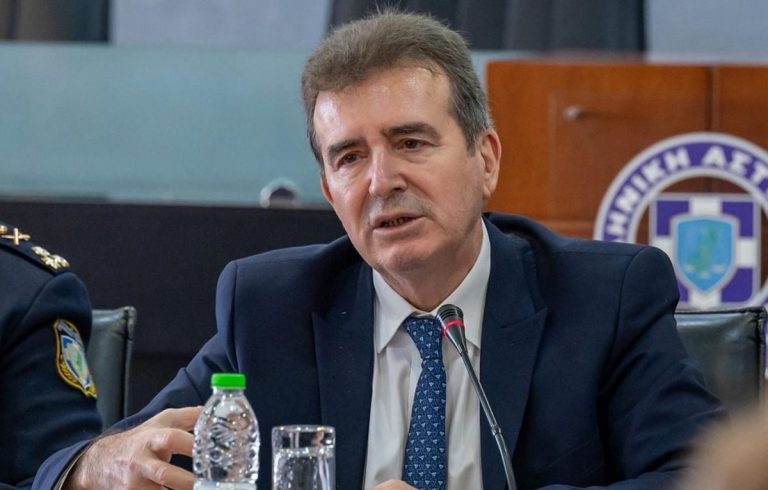
Greek police expect to identify everyone involved in an explosion in the Kolonos neighborhood of Athens in the near future, Citizen Protection Minister Michalis Chrysochoidis said Thursday, expressing confidence in the progress of the investigation.
Speaking on ANT1 television on the morning of October 22, Chrysochoidis also outlined plans to strengthen the fight against organized crime in Crete and increase police patrols and inspections in parts of central Athens.
Investigation into Kolonos explosion
Chrysochoidis said he was confident that investigators would soon identify those involved in the explosion, which occurred when an explosive device detonated in Kolonos.
“Everyone involved will be found very soon. There are no cases in which the police take more than a week to investigate an incident,” he said.
The minister said he did not believe the incident was linked to terrorism, describing it instead as a criminal matter. In his assessment, the explosion was primarily connected to a drug delivery and involved a device with very limited power.
Police are focusing their investigation on the area where the explosion occurred to establish the circumstances and identify those involved, he added.
Crete’s new organized-crime unit to have 150 officers
Chrysochoidis announced that a new police service in Crete, widely known as the island’s “FBI,” is scheduled to be inaugurated Friday.
The unit will operate from a building provided by the Municipality of Archanes and will be staffed by 150 police officers, according to the minister.
He said the service had already helped dismantle major criminal networks on the island.
“This service has ‘eliminated’ five of the major criminal family networks in Crete,” Chrysochoidis said, emphasizing the role of specialized police units in tackling organized crime.
More police patrols planned in central Athens
The minister also described efforts to increase police visibility in central Athens, saying 80 officers are already patrolling areas considered particularly challenging.
He identified two main concerns affecting residents. One is the presence of people with drug dependencies in public spaces and the need to ensure they can access appropriate treatment and care facilities. Chrysochoidis acknowledged that the situation is creating difficulties for people living in central neighborhoods.
The second area of concern covers parts of Athens between Patission Street, Third of September Street and Liosion Street, where both migrants and Greek citizens live, he said.
Inspections planned at informal sleeping facilities
Chrysochoidis also said authorities were preparing to inspect premises operating as informal sleeping facilities, where people are accommodated under conditions that may require scrutiny.
A legislative provision has been prepared to allow inspections of these premises and the conditions in which people stay, he said.
The minister criticized those who profit from people’s need for shelter, accusing operators of exploiting vulnerable individuals who struggle to find somewhere to sleep.
“They are human traffickers who trade in people’s pain, anxiety and need to have even an armchair to sleep in at night,” he said, referring to those renting out informal sleeping spaces.