 Μake us preferred on Google
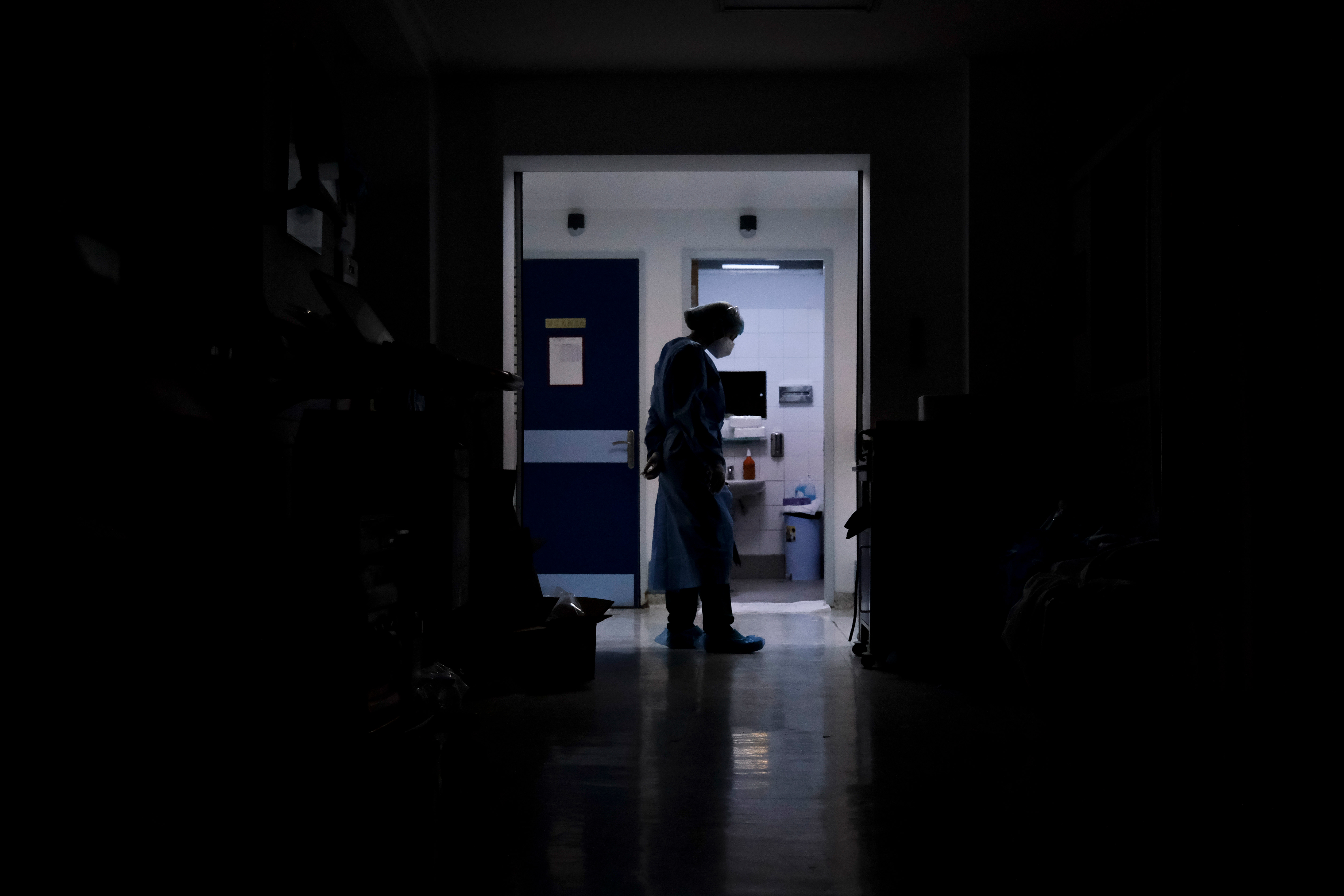
 A longstanding demand by Greece’s nursing unions moved closer to becoming law this week after the government placed a draft labor bill on public consultation that includes provisions to classify all nursing staff as workers in hazardous and unhealthy occupations, a benefit that the former have sought for years as recognition of the profession’s demanding work-place conditions.
The provision is included in legislation transposing European rules on equal pay for men and women performing the same or equivalent work. It would extend hazardous occupation status to nurses, nursing assistants, ambulance drivers and ambulance crew members employed by the National Health System (ESY) and the national emergency medical service, EKAV.
Under the proposal, eligible workers would be able to retire at age 62 with at least 15 years of insurance coverage, including 12 years in the specified professions. The measure also allows employees to recognize and buy back previous periods of employment in order to meet pension eligibility requirements.

For the first time, nurses and other health workers hired before 2011, who remained under the public-sector pension regime, would be brought into the hazardous occupations framework, giving them the same insurance and pension rights as colleagues performing identical duties who were hired after 2011. The change effectively eliminates a two-tier system that has been a source of complaints from unions and professional associations.
The bill also establishes a broader framework covering supplementary insurance, the recognition and buyback of previous insurance periods, and a unified administrative process for both primary and supplementary pension coverage.
Workers would have the option of joining the new regime voluntarily upon application. Previous service in the affected occupations could be recognized through either lump-sum payments or installments, with the recognized period treated as actual insurance time and excluded from existing caps on credited insurance years.
The inclusion of all nurses in the category follows repeated government commitments over the past year and is widely viewed as a response to persistent union pressure amid staffing shortages, heavy workloads and concerns over the attractiveness of the profession. Nursing organizations have argued that workers exposed to the same conditions should receive identical insurance and pension treatment regardless of when they were hired.