 Μake us preferred on Google
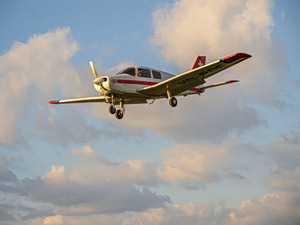
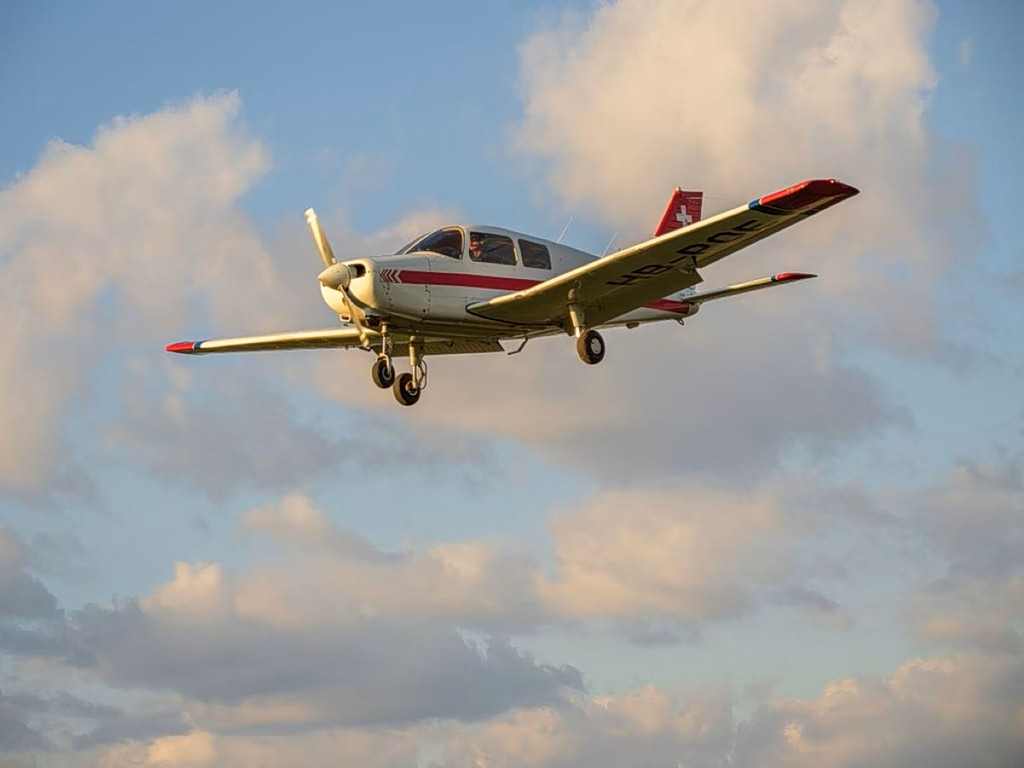
Two people were killed Sunday afternoon when a single-engine aircraft crashed in the Xerolakki area of Kontariotissa, in Pieria, northern Greece. The victims were found unresponsive outside the fuselage in a dry riverbed near the runway of the Pieria Flying Club.
The two men were pilots from the wider area and both had considerable flying experience. The pilot, identified in reports as either 40 years old, was a member of the Hellenic Air Force and flew single-engine aircraft as a hobby. He had also served as an instructor on Canadair firefighting aircraft and regularly flew over the area. His 58-year-old passenger was also killed.
The cause of the crash remains unclear. Initial indications suggest it occurred as the aircraft was preparing to land, with investigators examining several possibilities, including a mechanical failure, adverse weather conditions and a potential loss of control during a landing maneuver.
A routine flight before the crash
The aircraft had reportedly been airborne for approximately 40 minutes before the crash. Initial information indicated that it was in good technical condition, and the flight was described as routine.
According to information from the scene, the pilot did not report any technical problems before the accident. Members of the flying club reportedly spoke with him just seconds before the aircraft went down, and he did not mention any malfunction, according to a report by Greek broadcaster ANT1.
The aircraft had completed a low pass over the runway and was gaining altitude to line up for landing, entering the final stage of the approach. The pilot is believed to have made the low pass to assess the local weather conditions.
A witness described seeing the aircraft flying low shortly before the crash.
“It was flying low. Judging by the maneuver it made, it was probably going in to land,” the witness said.
During the subsequent maneuver to reposition the aircraft and regain altitude, however, something appears to have gone wrong, leading to the crash. Investigators have yet to establish what happened in those final moments.
Weather and possible mechanical failure examined
One possibility under investigation is that local weather conditions affected the aircraft during the maneuver. Winds or a downdraft — a current of air moving downward — may have interfered with its flight, although no such contribution has been confirmed.
Investigators are also examining whether the aircraft’s wing struck the ground before the crash. They are seeking to determine whether any such contact triggered the loss of control or whether another event occurred first, such as a technical malfunction or a sudden problem during the pilot’s maneuver.
A possible mechanical failure that caused a sudden loss of altitude is among the explanations being considered. However, there were no indications of a technical problem in the pilot’s reported communications before the accident, and the aircraft was initially believed to have been in good condition.
As of late Sunday night, authorities had not established what caused the crash.
Emergency response and investigation
The Fire Service was alerted at 1:50 p.m., and significant emergency resources were dispatched to the scene. Responders found the two men outside the aircraft’s fuselage, unresponsive.
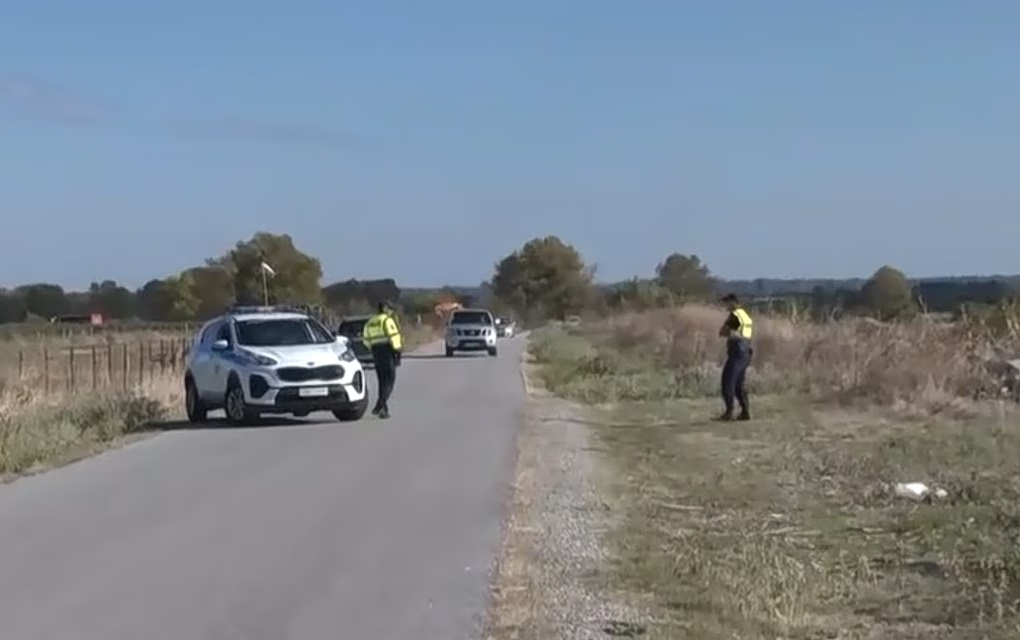
Police have taken over the investigation, and authorities have cordoned off the crash site while they work to establish the sequence of events. Official findings are expected from Greece’s air accident investigation authority.
Families left devastated
The deaths have devastated the victims’ families, including the parents of the Hellenic Air Force pilot.
Speaking to Greek broadcaster MEGA, a family member said the pilot was the father of four children, the oldest of whom is 12.
“He has four children. The oldest is 12 years old, and the others are very young. I only found out two hours ago. I’m in shock,” the relative said.
Investigators continue to examine the circumstances of the crash, with no confirmed explanation yet for why the aircraft went down during what had reportedly been a routine flight.