 Μake us preferred on Google
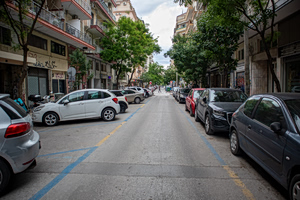
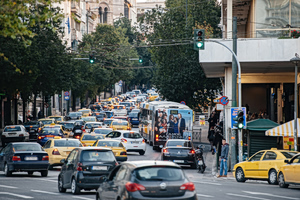
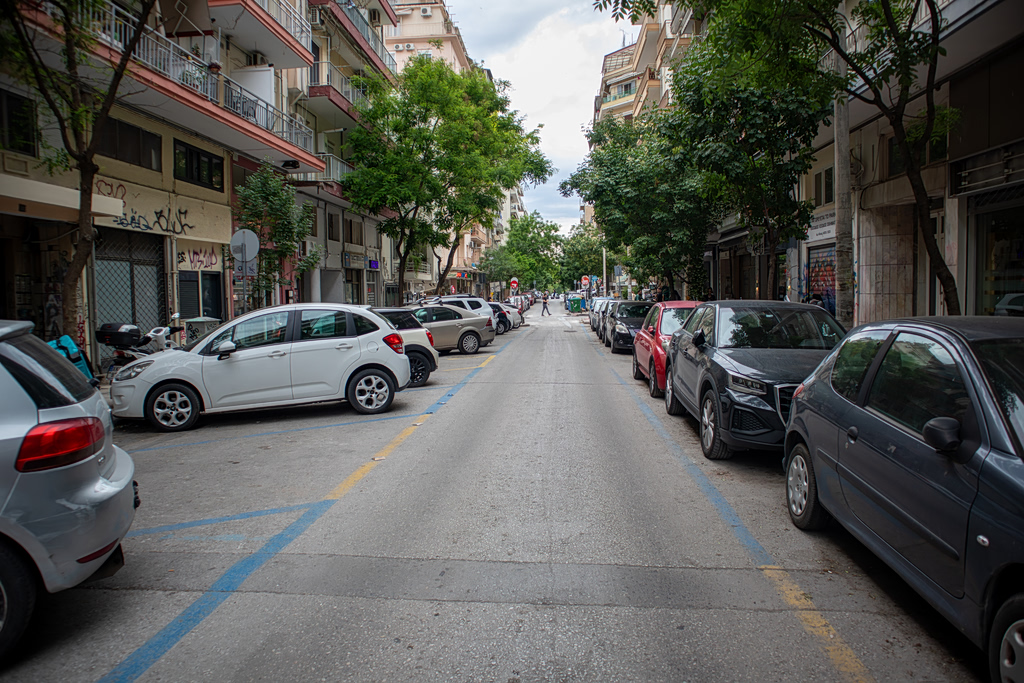
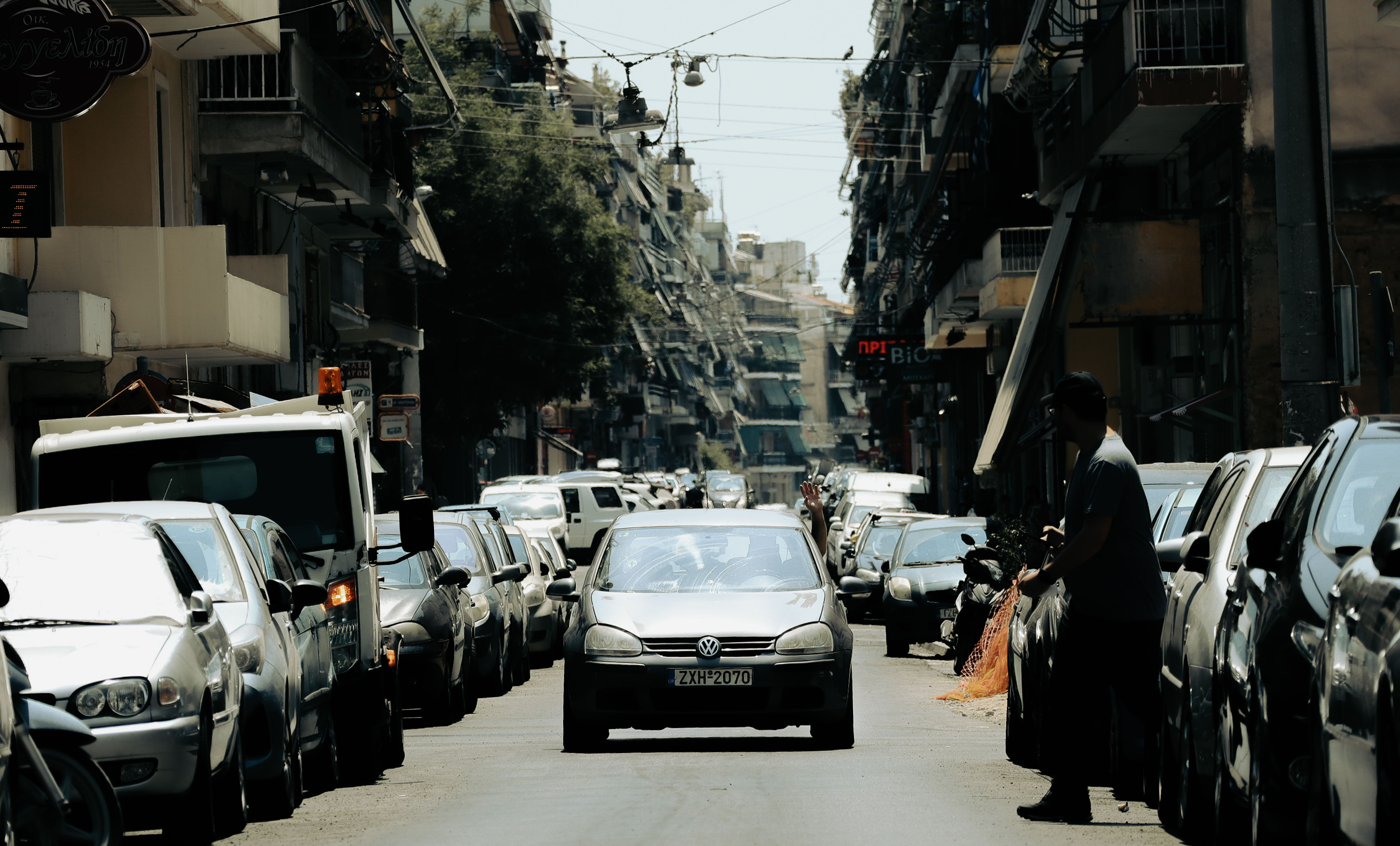
Finding a parking spot in Athens has become a very difficult daily mission because of the heavy use of private cars, dense construction and the concentration of commercial and business activity.
The available spaces are no longer enough for permanent residents or for the thousands of workers and visitors who travel every day to the center and surrounding areas.
The Hardest-Hit Areas
Figures from the Hellenic Statistical Authority (ELSTAT), from the 2021 census, show the scale of the problem. In the Central Sector of Athens, 69% of household vehicles have no private parking space at home, forcing their owners to look for space on the street or turn to private parking lots. The figure is 67% in Piraeus and 63% in the Western Sector of Athens.
The greatest difficulty is recorded in the Municipality of Athens, Kallithea, Korydallos, Kaisariani, Zografou, Chalandri, Cholargos and Piraeus.
According to the available data, about half of drivers in these areas manage to park in less than five minutes. However, a significant share, between 25% and 30%, spend more than 10 minutes looking for a spot, adding further to traffic congestion.
Four In 10 Parked Vehicles Are Illegal
“Our parking studies show that 40% of vehicles on the street are parked illegally,” Thanasis Tsianos, president of the Hellenic Association of Transport Engineers, told ERTnews.
He explained that the situation is chaotic, but that the demand needs to be separated and managed properly. On the one hand, there is illegal parking that blocks traffic, which must be tackled as a priority. On the other, there is the need of permanent residents who cannot find a space at night.
According to Tsianos, expecting to travel quickly without traffic, park for free and at the same time have clear sidewalks and public space is “an unrealistic scenario.”
The European Model
Tsianos stressed that metropolitan areas abroad have all followed a specific, unified strategy based on four pillars:
- Building underground parking in city centers, while removing vehicles from the streets to free up public space.
- Measures restricting the use of private cars in urban centers.
- A real upgrade of public transport.
- Controlled parking systems.
In closing, Tsianos noted that Greece had begun moving in this direction before the economic crisis. However, the crisis halted the development of public transport and of Attica’s transport system, and as a result the problems have now grown much worse.