 Μake us preferred on Google
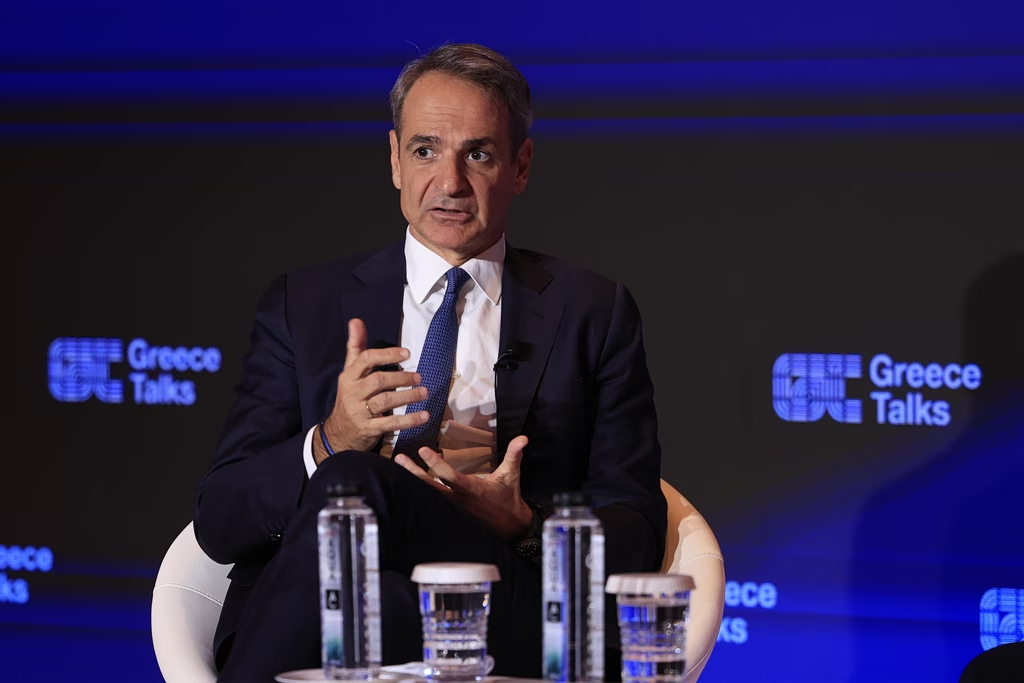
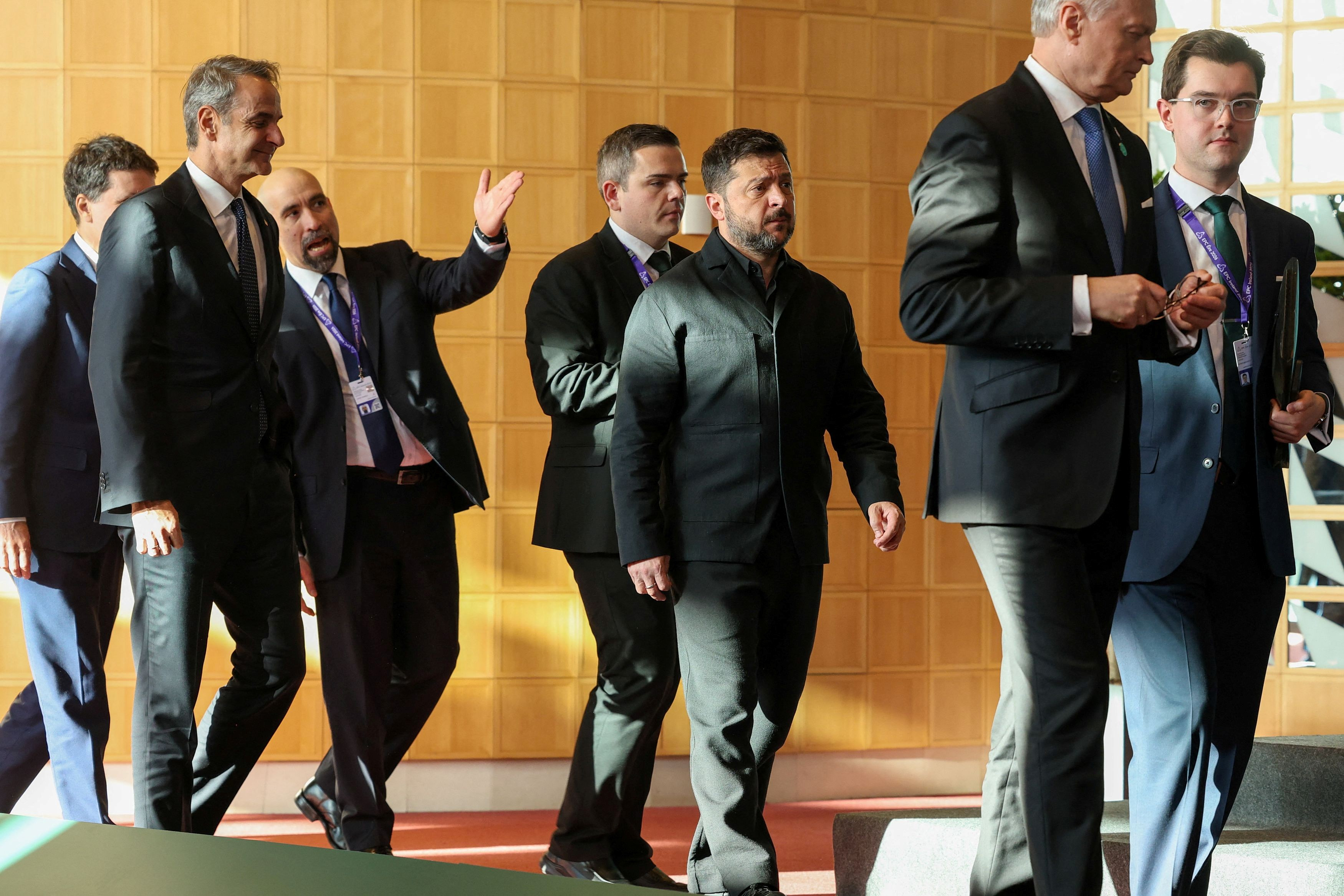
Speaking on his arrival at the ninth European Political Community summit in Dublin, Mitsotakis expressed cautious optimism over recent diplomatic discussions but insisted that Europe must have a place at the negotiating table.
“There can be no discussion of a long-term peace agreement in Ukraine, and certainly no discussion of a future European security architecture, without Europe being at the negotiating table,” he said.
Recalling that the first European Political Community summit was held in Prague in October 2022, following Russia’s full-scale invasion of Ukraine, he noted that the conflict remained unresolved more than four years later.
He said the question of European representation in future negotiations would be discussed on Friday, arguing that both European institutions and some of the continent’s largest countries should participate.
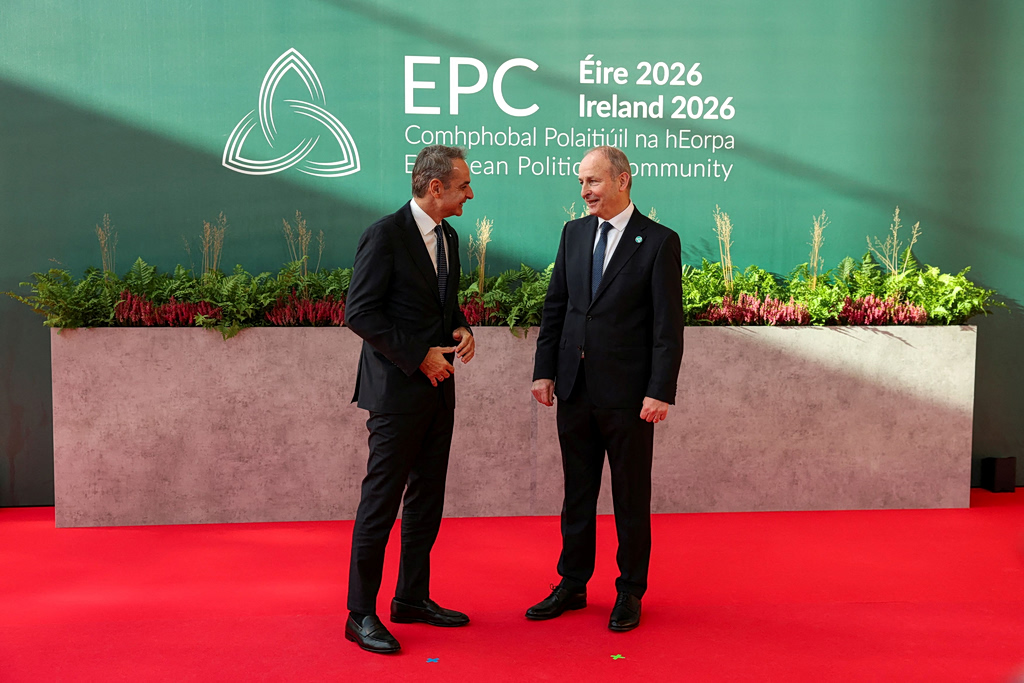
Ireland’s Taoiseach (Prime Minister) Micheal Martin, right, welcomes Greek Prime Minister Kyriakos Mitsotakis at the European Political Community summit in Dublin, Ireland, November 12, 2026. REUTERS/Cathal McNaughton
Black Sea shipping, maritime security
Mitsotakis also called for a worldwide cessation of attacks on commercial vessels, particularly in the Black Sea, describing the protection of maritime traffic as a priority for upcoming negotiations.
He said he had raised the issue at the UN Security Council, calling for a global maritime ceasefire specifically covering attacks on commercial shipping.
The Greek prime minister has repeatedly highlighted the risks to freedom of navigation. On Oct. 29, addressing the Security Council, he called for a maritime truce following an attack that sank a Greek-owned cargo vessel in the Black Sea. He warned that attacshks on commercial shipping drive up transport and insurance costs.
Energy costs and European competitiveness
Mitsotakis also referred to the conflict in the Middle East and the economic uncertainty it has generated, stressing the need to strengthen Europe’s economic resilience.
He said European countries shared concerns over reducing energy costs and limiting strategic dependencies that undermine competitiveness and security.
He called for stronger European capabilities in clean-energy production, critical raw materials, space and artificial intelligence, arguing that greater domestic capacity was essential to reducing vulnerabilities.