
 Μake us preferred on Google
Nvidia Chief Executive Jensen Huang has resigned after two extramarital affairs, including one with a suspected Chinese spy and another with an employee.
The company said Thursday that finance chief Colette Kress had agreed to serve as interim CEO until a permanent successor is named. The board is starting a search for the company’s next CEO and will consider internal and external candidates.
The decision brings down the curtain on an era during which he stoked the global artificial-intelligence boom and became a geopolitical star. It leaves one of the world’s most valuable companies in need of a new leader.
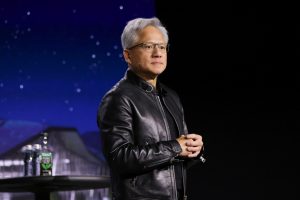
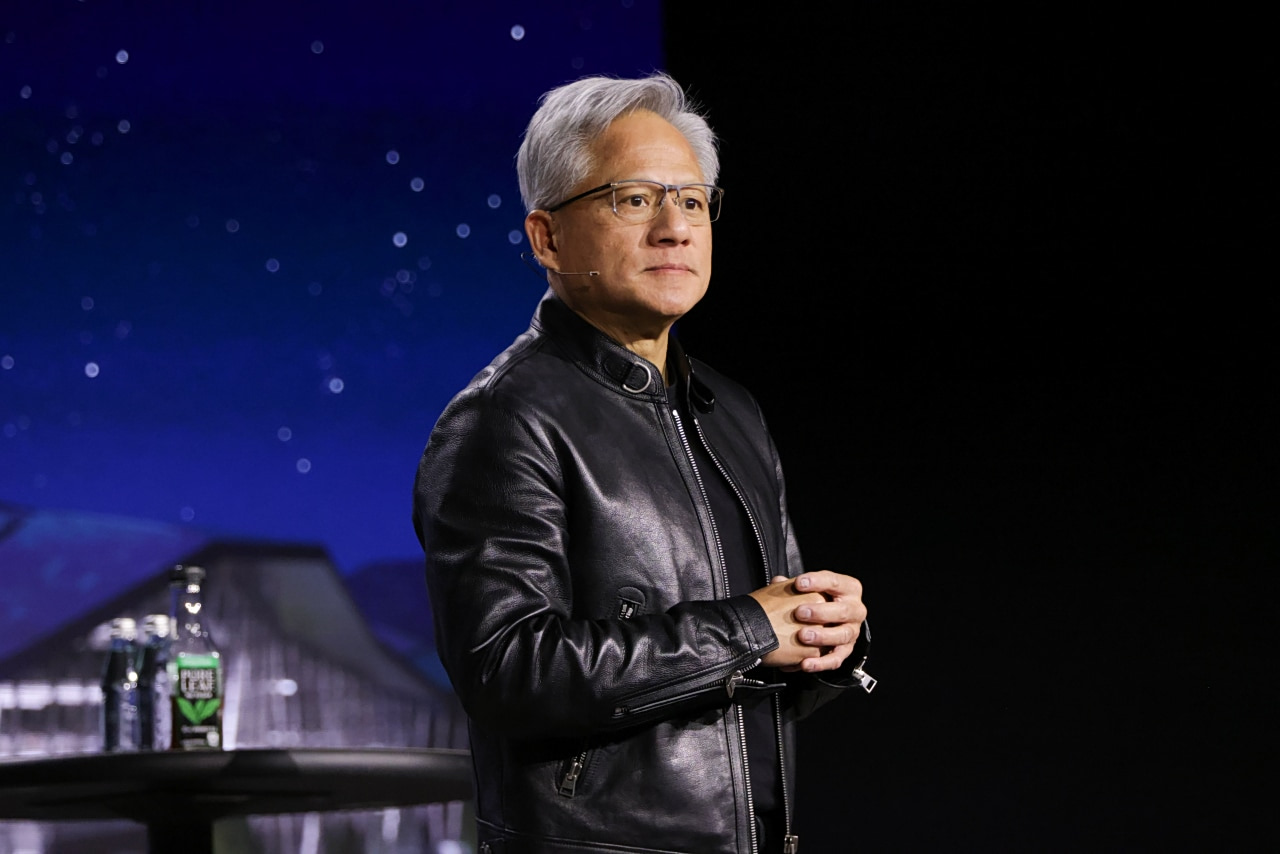
Huang, a co-founder of Nvidia, is seen by many as the face of the AI arms race. Known for his leather jackets and near-constant appearances at conferences and events all around the globe, he spoke with the confidence of a salesman who had just what the world wanted—and he did. Nvidia’s graphics processing units, high powered computer processors packed with billions of transistors, are the central component behind what many believe is the next industrial revolution.
The chipmaker’s importance to global customers made Huang a worldwide celebrity. He frequently met with top U.S. and Chinese officials, and was regularly mobbed by adoring fans when he visited Taiwan, his birthplace and the global manufacturing hub of the chip industry.
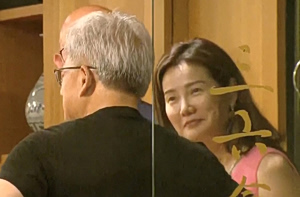
Then, on Sunday, Huang acknowledged in a letter to staff that he had been unfaithful to his wife and apologized for violating his family’s and his employees’ trust. That affair involved Alice Huang , an executive at the Singapore-based data company Megaspeed, which has been a major Nvidia customer and who U.S. intelligence officials believe is working for China’s intelligence services .
The Nvidia CEO also had an affair with Kimberly Powell, a senior executive at Nvidia who runs the company’s healthcare business, according to a person familiar with the matter. The New York Times earlier reported the second affair. Powell didn’t respond to requests for comment.
Shares of Nvidia were down almost 8% in premarket trading Thursday, extending a recent slide following the revelation that Nvidia’s board was investigating Jensen Huang’s relationship with Alice Huang. The top executive, 63, is Nvidia’s largest shareholder, owning about 3.6% of the company, and has become one of the richest people in the world.
Huang, who had roughly 60 direct reports, has said he doesn’t believe in succession planning and that leaders should continuously pass on knowledge and information as they have it. It wasn’t immediately clear who would succeed him.
Nvidia’s latest proxy statement warns that it is “highly dependent on the services of our longstanding executive team” and that the failure to ensure effective succession planning could “hinder our strategic planning, execution, and long-term success.”
The New York Times first reported about the business connection between Jensen Huang and Alice Huang in October 2025. Megaspeed was one of several companies using Nvidia chips to set up AI data centers in Southeast Asia and suspected of diverting some of the products to China. It had been under investigation by the Commerce Department since late 2024.
The Justice Department is now leading multiple investigations involving Alice Huang, according to people familiar with the matter.
In late October, another Times story documented intelligence concerns that Alice Huang was a Chinese intelligence asset and had a close relationship with Jensen Huang. An Nvidia spokesman at the time said there was nothing “unusual or unexpected” about the relationship.
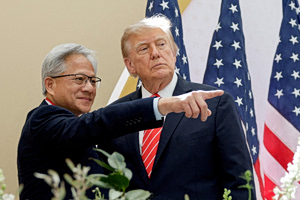
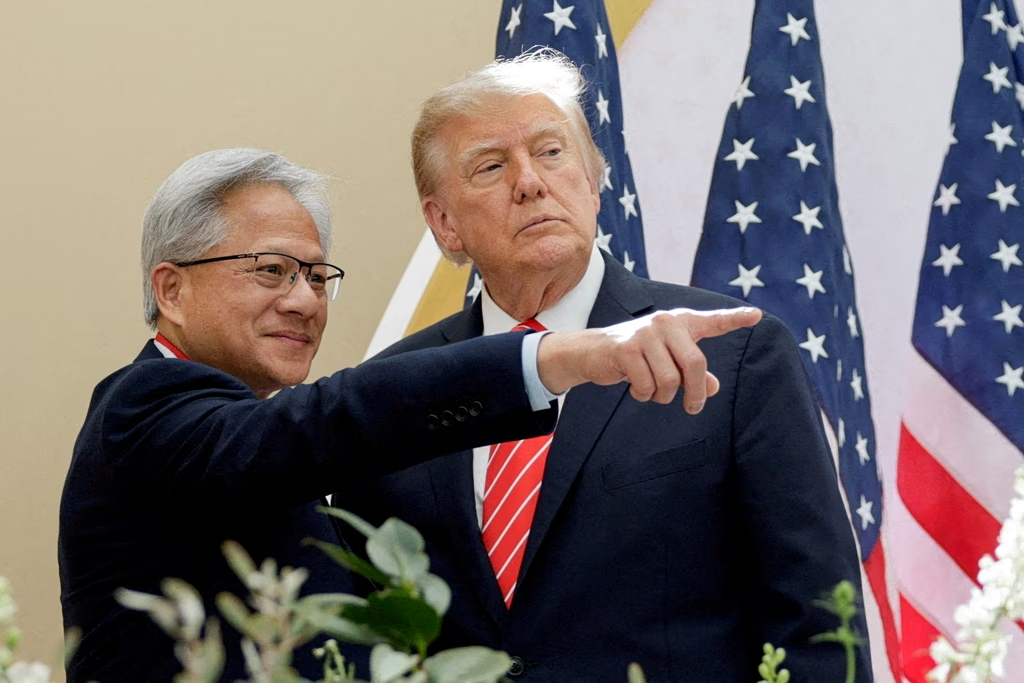
President Trump , who has developed a close alliance with the Nvidia CEO, stood by him earlier this week, saying that Huang said he didn’t know Alice Huang was a suspected spy and that Huang is an “amazing guy” and “honorable man.”
Trump approved shipments of Nvidia chips to China despite security concerns and adopted many of the Nvidia CEO’s policy positions, moves that are now under scrutiny from lawmakers and other officials. Huang’s charisma and arguments about the AI boom boosting the economy impressed Trump and made Huang a mainstay at the White House.
Write to Robbie Whelan at robbie.whelan@wsj.com , Josh Dawsey at Joshua.Dawsey@WSJ.com and Amrith Ramkumar at amrith.ramkumar@wsj.com