 Μake us preferred on Google
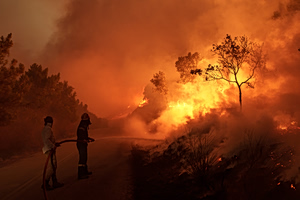
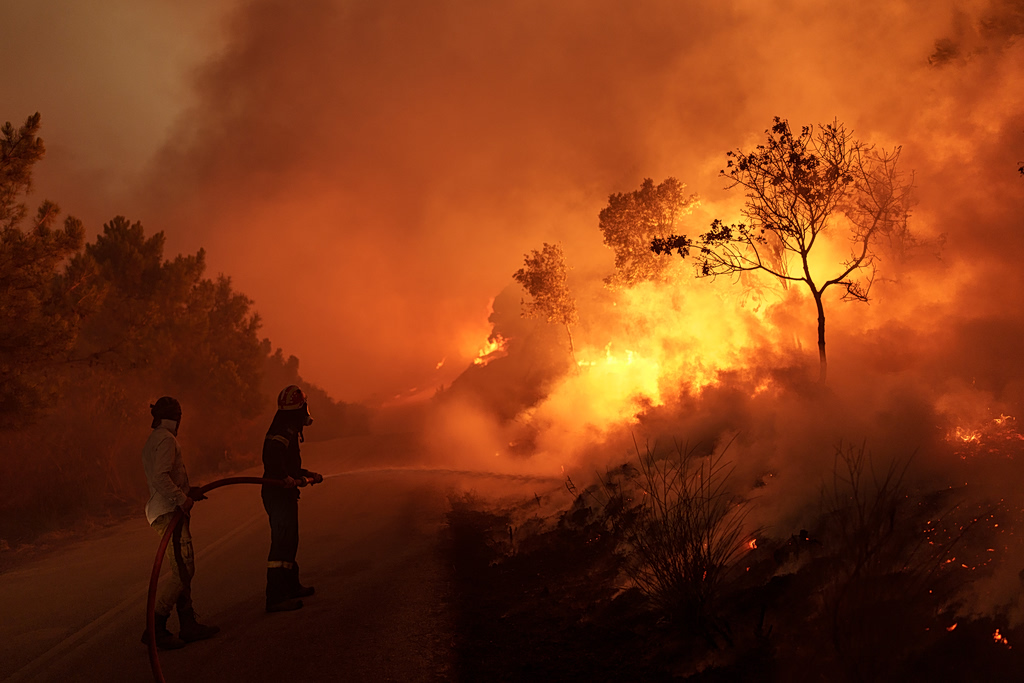
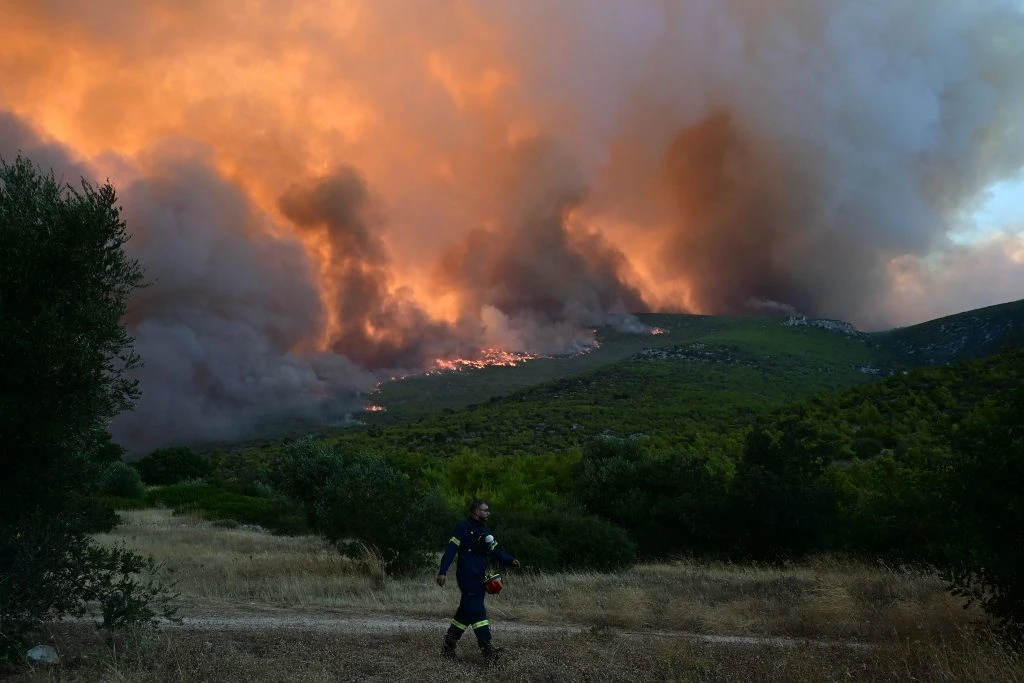
 Wildfires and the increasingly dangerous weather conditions that fuel them were the focus of a discussion on the Greek television program Koinonia Ora MEGA, where fire meteorologist Theodore Giannaros of the National Observatory of Athens outlined the main factors behind Greece’s recurring summer fire disasters.
According to Giannaros, the number of days with extreme fire-weather conditions has increased significantly in recent years, creating an environment in which wildfires ignite and spread much more rapidly. He said wildfires are no longer driven solely by weather events but also by the growing frequency of these hazardous fire-weather conditions.
However, he stressed that human activity remains a decisive factor. Negligence, dangerous activities in rural areas, and cases of arson create a recurring pattern that leads to dozens of wildfires every summer, complicating firefighting operations and increasing the risk to human lives and the natural environment.
Although fire-weather conditions have improved compared with previous days, Giannaros warned that vegetation remains highly flammable at this time of year, meaning even moderate winds can fuel dangerous fires. He urged the public to follow the instructions of the authorities and avoid any activity that could spark a new blaze, noting that firefighting resources are already under significant pressure.
NEWSLETTER TABLE TALK
Never miss a story.
Subscribe now.
The most important news & topics every week in your inbox.
Asked why Greece experiences the same “fire nightmare” every year, Giannaros identified three key factors: climate change, human-caused ignitions, and inadequate land management.
He said climate change has created conditions that strongly favor the spread of wildfires, while most fires still originate from human activities. At the same time, the abandonment of rural areas and insufficient forest management have worsened the problem.
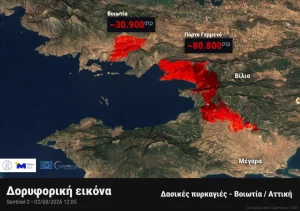
Giannaros also pointed to the lack of proper land-use planning in areas such as Porto Germeno and Mati. Combined with abundant vegetation and the accumulation of dead biomass, these conditions allow fires to spread rapidly once they reach populated areas.
The discussion also featured Nikos Barlagiannis, a rescuer with the Hellenic Red Cross, who described the difficult conditions faced during the recent wildfire in Porto Germeno.
According to Barlagiannis, the organization immediately deployed five response teams, trained Samaritan rescuers, and a mobile unit staffed with specialized nurses to provide first aid to firefighters and residents suffering from injuries, respiratory problems, and panic attacks.
“The Hellenic Red Cross mobilized immediately under the orders of our president, Dr. Antonios Avgerinos, with five teams, trained Samaritan rescuers, and a mobile unit with specialized nurses,” Barlagiannis said. “We provided first aid immediately because we had many incidents involving both firefighters and residents with injuries, respiratory problems, and panic attacks. It was a shock for them. They suddenly saw the fire approaching their homes and had to evacuate under extremely difficult conditions.”
He added that rescue teams worked alongside firefighters in the mountains while other teams remained focused on providing emergency medical assistance.
Barlagiannis said the fire spread with exceptional speed due to strong winds, making it impossible to remain safely anywhere in the area. Rescuers also took part in operations to locate missing people in Psatha, where a flare-up occurred at the same time, further complicating the emergency response.