
 Μake us preferred on Google
 For years, video games have been viewed with caution and, certainly, for many parents they are not the obvious solution to the potentially deteriorating mental health of their teenage children. However, it appears that some video games contribute both to the prevention and treatment of serious conditions, such as adolescent depression. This emerged from a recent clinical study by researchers at the American university Dartmouth, whose findings were published in JAMA Network Open.
A game that ‘teaches’ better decisions
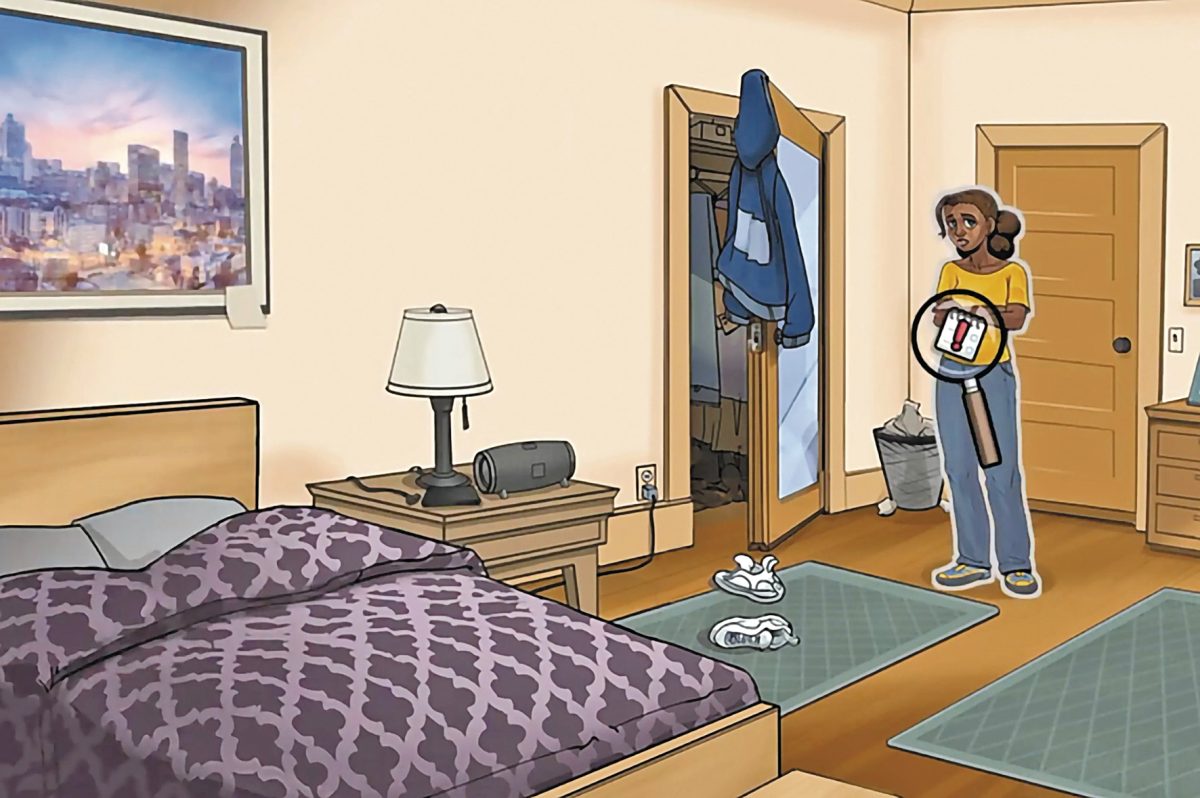
The game in question is PlaySmart, a video game developed by the play2PREVENT laboratory at the Dartmouth medical school specifically to support the mental health of adolescents. Players take on the role of the main character and are asked to manage situations inspired by the real-life experiences of young people, making decisions concerning mental health, relationships and substance use.
Through these choices, they learn to recognize the signs of depression, assess different ways of responding, and seek help from trusted adults. The consequences of their decisions shape the development of the story, while also allowing them to assess what might have happened if they had made different choices.
To determine the extent to which the game contributes to preventing and reducing symptoms of depression, the researchers conducted one of the largest clinical trials of its kind, involving 532 students between the ages of 16 and 19. The teenagers who participated in the study met specific criteria, as they had either reported recent use of alcohol, cannabis, e-cigarettes or other non-opioid substances, or had disclosed that they were experiencing symptoms of depression.
The children were divided into two groups: 269 teenagers played PlaySmart, while the remaining 263 played commercial video games. For up to six weeks, the students played for approximately one hour a week after school, while the researchers monitored each student’s mental health over the course of one year.
The benefits lasted for a year
The results were particularly encouraging. After completing the intervention, the teenagers who had played PlaySmart showed fewer symptoms of depression compared with the control group. Of particular interest is the fact that the benefits of the intervention were not limited to the period immediately after playing the game. One year later, the difference remained evident.
The researchers also found that students who played PlaySmart had a more positive attitude toward seeking psychological help, as early as after the six weeks of the intervention. Furthermore, according to the research team, the effect of PlaySmart did not vary significantly according to gender, ethnicity, school grade, economic status or family history of substance use. This is considered important for an intervention that could potentially be implemented more widely in schools and communities in the future.
Despite the encouraging findings, experts point out that digital games for promoting mental health are still a relatively new field of research. More studies are needed to clarify the role that such digital interventions could play within the broader framework of adolescent mental health care.