 Μake us preferred on Google
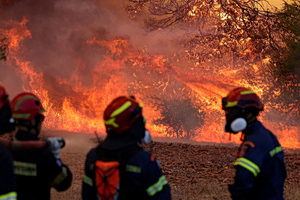
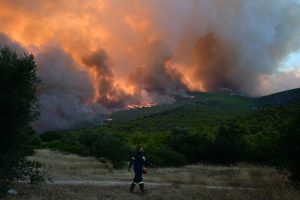
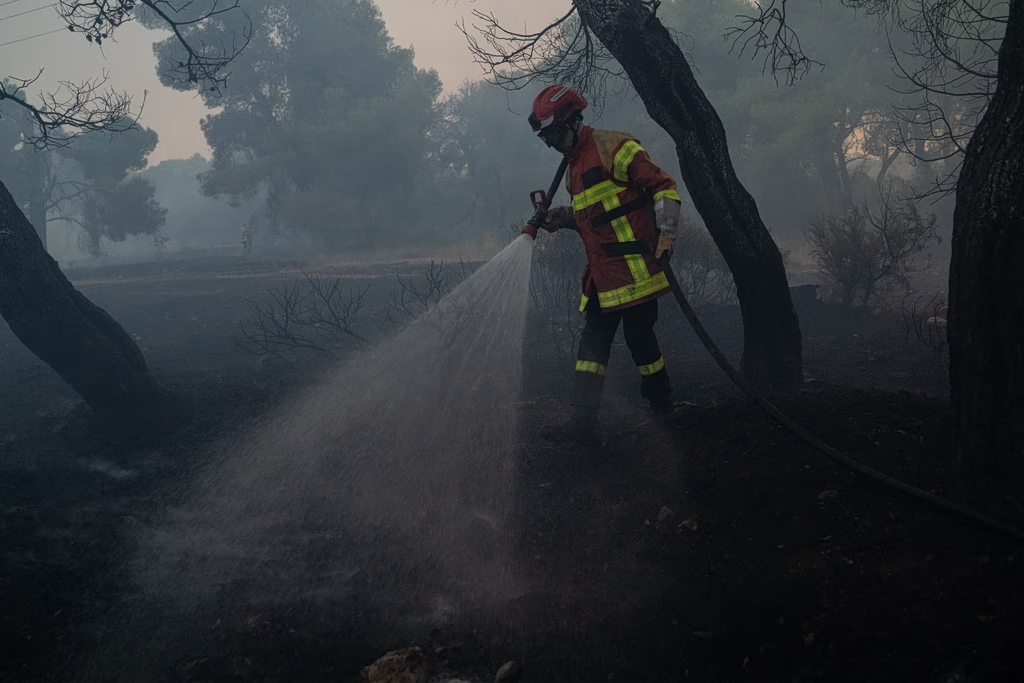
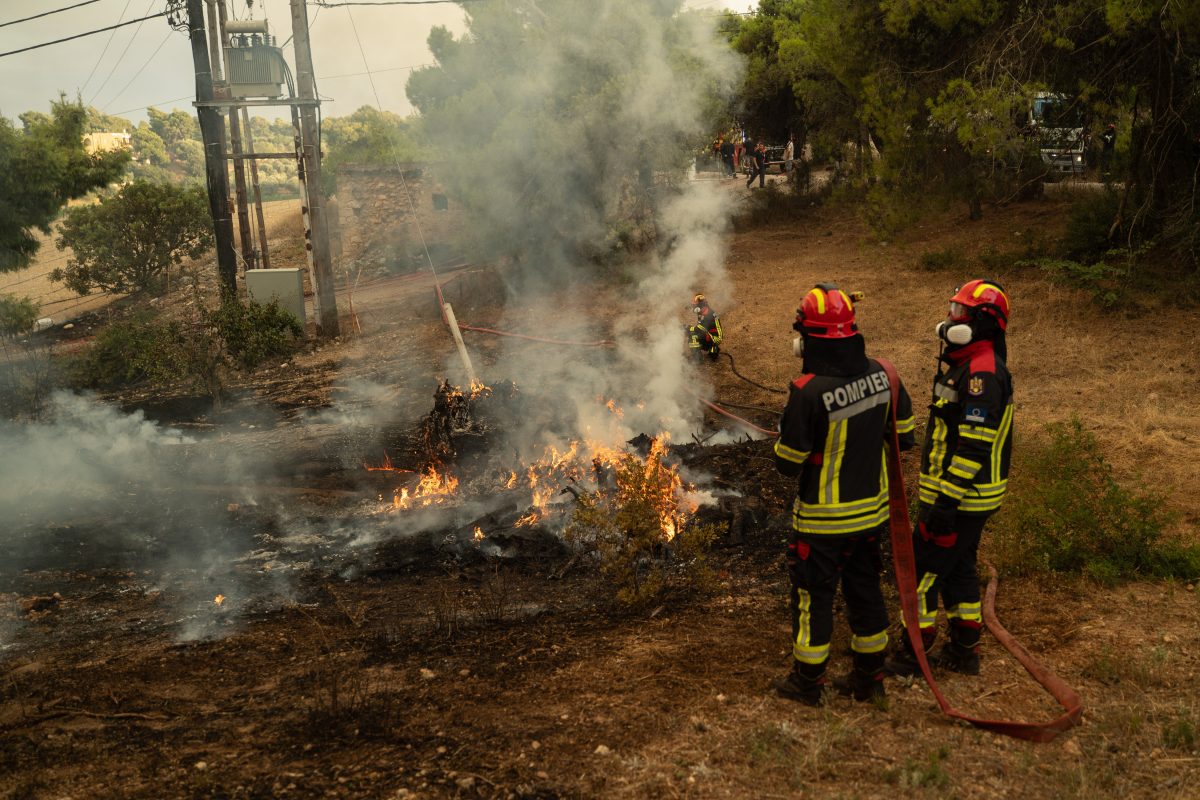
 Every summer, Greece watches another part of its landscape disappear in smoke. Forests burn, homes are destroyed, livelihoods are lost and communities are forced to rebuild. As climate change intensifies heatwaves across the Mediterranean, these disasters are becoming more frequent, more destructive and increasingly costly.
The political response is equally familiar. Leaders visit affected communities, promise that homes will be rebuilt and livelihoods restored, and announce compensation for those who have suffered losses. These commitments reflect the compassion expected of a democratic state.
Yet once the immediate crisis passes, a more fundamental question emerges: why do Greece’s institutions place greater emphasis on compensating losses after disasters than on reducing risk before they occur?
The answer lies not only in climate change or firefighting capacity, but in the institutional arrangements through which societies manage risk. As the Nobel Prize-winning economist Douglass North observed, “Institutions are the rules of the game in a society.” They shape incentives, allocate responsibility, distribute risk and influence behavior. Wildfire resilience depends not only on the fires a society faces, but on the institutions it builds to manage them. This institutional perspective is echoed in the OECD’s recent review of Greece’s wildfire policies, which concludes that adapting to a changing climate will require a stronger emphasis on prevention, risk reduction and integrated governance.
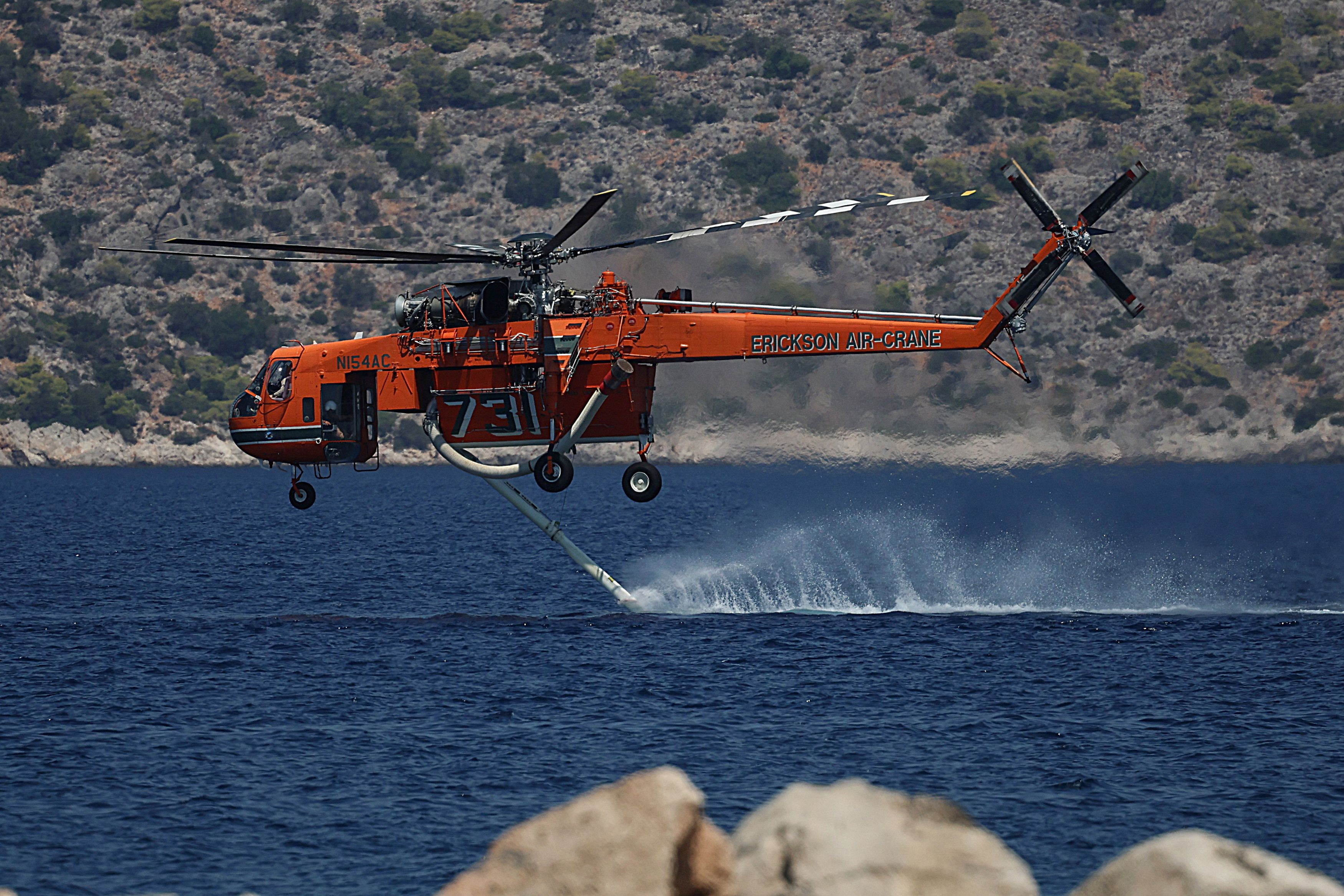
An Erickson firefighting helicopter loads water to extinguish fire hotspots at Kitharonas mountain, in Alepochori, Greece, August 4, 2026. REUTERS/Louisa Gouliamaki
Over time, Greece has evolved into a system in which the state is increasingly expected to become the insurer of private losses. Governments rightly provide emergency assistance, restore critical infrastructure and support affected communities. Increasingly, however, they are also expected to compensate uninsured private property. As climate-related disasters become more frequent, this places growing pressure on public finances while weakening incentives for households and other institutions to reduce risk before fires begin.
This pattern is evident after almost every major wildfire. Governments announce compensation packages, housing assistance and reconstruction funding that are both necessary and compassionate. Yet they also reinforce an institutional model in which the state becomes the insurer of last resort rather than one participant in a broader system of shared risk management.
Prime Minister Kyriakos Mitsotakis has acknowledged this reality, warning that increasingly extreme weather is pushing the response capacity of the state to its limits. The challenge for Greece is therefore not simply how it rebuilds after fires, but how it redesigns the institutions and incentives that shape behavior before the first spark. Among the most important of these institutions is private insurance—not merely as a financial product, but as an institution that shares risk and rewards prevention.
Insurance as an institution of resilience
One of the least recognized weaknesses in Greece’s wildfire resilience is its exceptionally low level of household insurance. According to the Hellenic Association of Insurance Companies, only around 20 per cent of Greek homes are insured against natural hazards such as wildfire, earthquake and flood, leaving nearly four out of five homes outside the private insurance system.
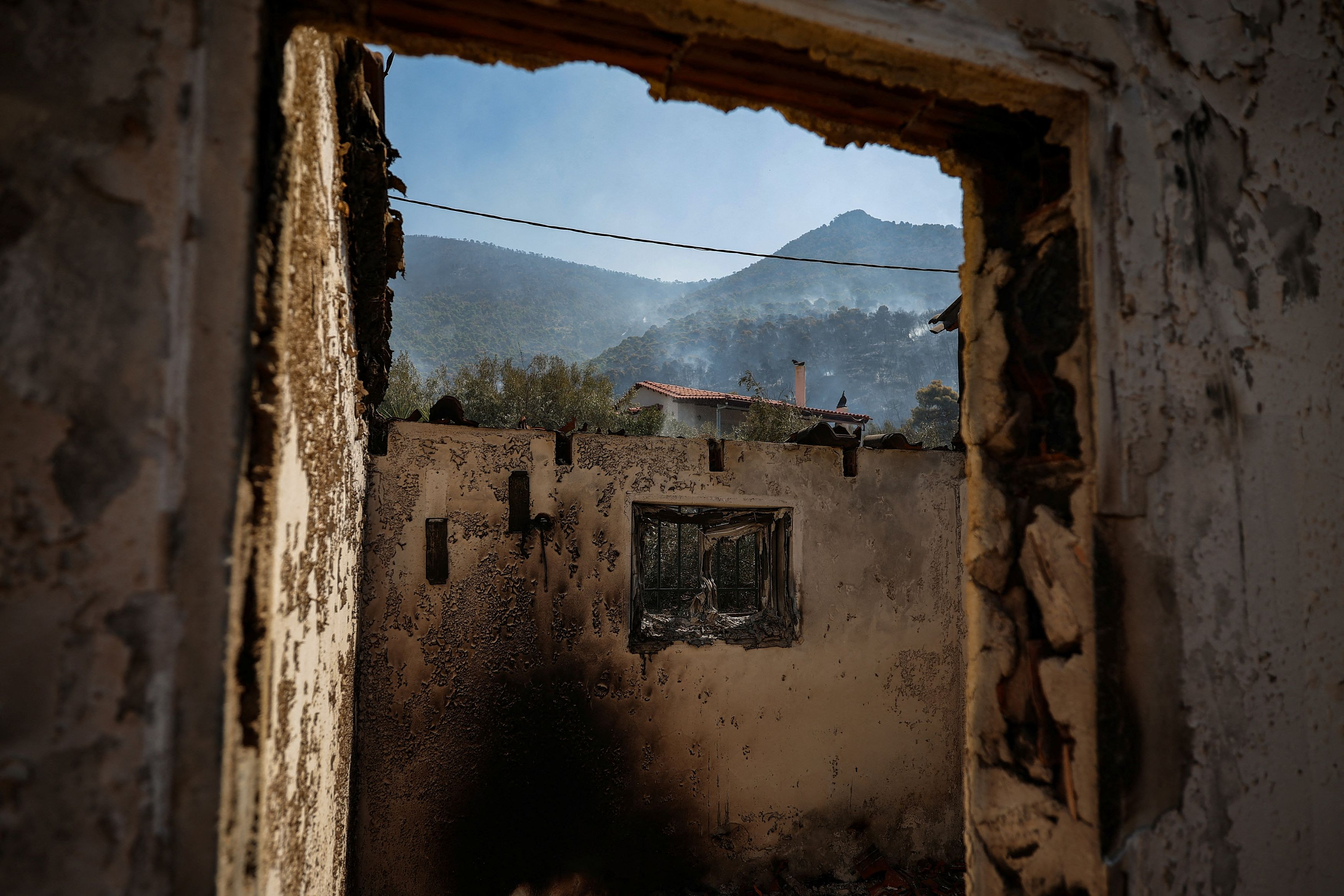
A view of a burned house in Psatha, Greece, August 4, 2026. REUTERS/Louisa Gouliamaki
Greece is also an outlier within Europe. While only around one in five Greek homes is insured against natural hazards, financial protection is far more widespread elsewhere. In France, natural catastrophe cover is effectively universal through the Cat Nat system. Around 91 per cent of owner-occupied homes in the United Kingdom have property insurance, almost all of which includes flood cover. Spain also achieves high levels of protection, while Portugal strengthened public–private catastrophe risk-sharing arrangements alongside broader wildfire reforms. Germany, where flood and earthquake cover remain largely optional, has lower take-up but continues to debate expanding insurance rather than relying primarily on post-disaster state compensation. The issue is therefore not whether governments should assist citizens after disasters—they should—but whether societies build institutions that spread risk before disasters occur.
Insurance is often viewed primarily as a mechanism for compensating losses after disasters. Its more important contribution comes beforehand. By pricing risk, insurance rewards prevention rather than merely financing recovery. Higher-risk properties generally face higher premiums unless owners reduce their exposure through vegetation management, resilient construction and better maintenance. In this way, insurance aligns incentives across homeowners, insurers, municipalities and government to reduce vulnerability before disaster strikes.
Where insurance penetration is low, this feedback mechanism weakens. Financial losses are transferred from insurance markets to taxpayers, reinforcing a political culture that prioritizes compensation after disasters rather than prevention beforehand. The result is not simply lower insurance coverage—it is weaker resilience.
Shared responsibility: lessons from Australia
Australia offers an instructive comparison because it faces many of the same challenges as Greece, including devastating bushfires, rising temperatures and increasing climate risks. Yet responsibility for managing those risks is distributed far more broadly.
Home insurance is a normal part of Australian household financial planning. Recent surveys show that 78 per cent of homeowners report that their homes are fully insured, while only 4 per cent have no home insurance. By contrast, only around one in five Greek homes is insured against natural hazards.
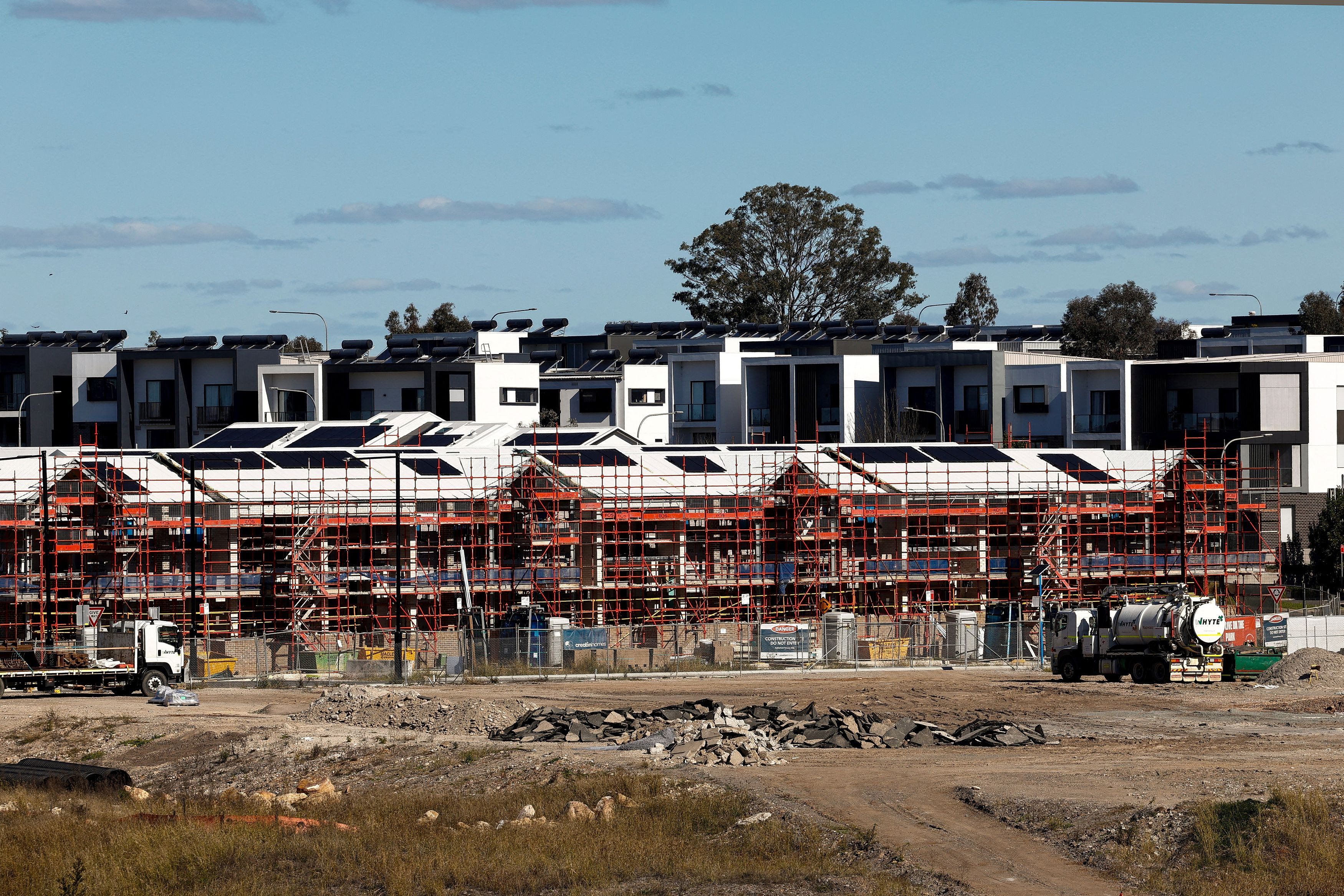
Houses under construction stand in front of newly built homes at a housing development in the south-west Sydney, Australia, August 4, 2026. REUTERS/Izhar Khan
More importantly, Australia has developed an institutional model of shared responsibility. Households insure their homes, utilities manage infrastructure risks, local governments maintain public assets, and governments remain responsible for land-use planning, forest management and emergency services. Insurance therefore complements rather than substitutes for government by reinforcing prevention across the entire system.
The lesson for Greece is not to replicate Australia’s insurance market, but to adopt the same principle of shared responsibility. Resilience is strongest when responsibility is distributed across households, insurers, municipalities, infrastructure operators and the state, rather than concentrated on government after catastrophe strikes.
Prevention begins before the first spark
Insurance alone cannot prevent wildfires. It must operate within a broader resilience framework.
Electricity networks, energy infrastructure, land-use planning and vegetation management all shape wildfire risk. Around the world, official investigations have shown that failures in electricity infrastructure have contributed to major fires, highlighting the need for better maintenance, vegetation management, monitoring and, where appropriate, safer network design.
Australia also demonstrates that resilience depends on more than technology. For thousands of years, Aboriginal communities have managed fire-prone landscapes through cultural burning—carefully planned, low-intensity fires that reduce fuel loads, improve ecosystem health and lower the risk of catastrophic bushfires. Today, Indigenous fire knowledge is increasingly being incorporated into contemporary bushfire management, demonstrating that resilient institutions draw not only on technology and regulation, but also on knowledge accumulated over generations.
The broader lesson is that wildfire resilience depends on institutions that combine sound infrastructure, active land management, scientific innovation and local knowledge. Governments reduce systemic risks through regulation, forest management and emergency preparedness, while insurance manages the residual risks that cannot be eliminated. Both are essential.
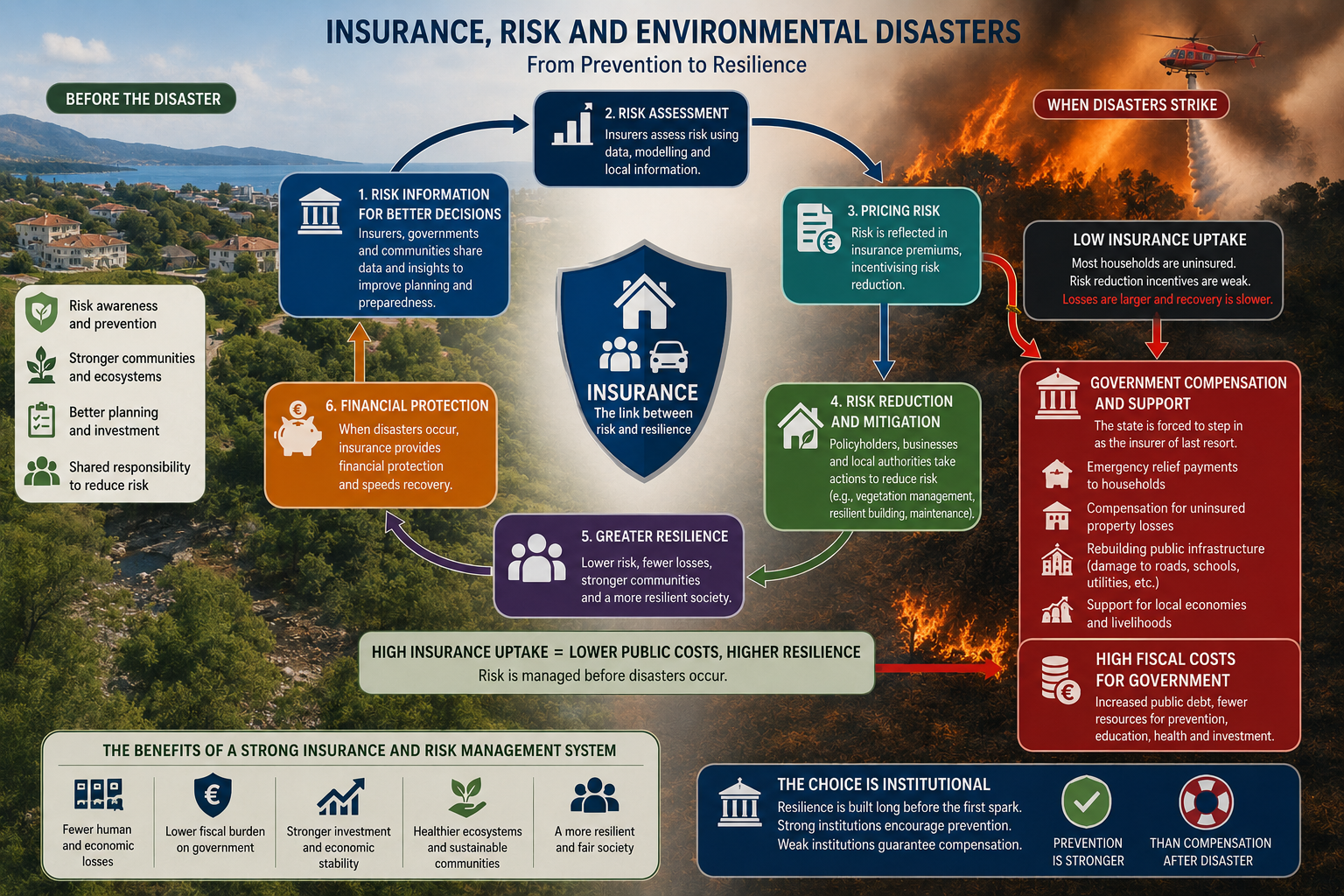
Portugal provides a particularly relevant European benchmark. Sharing many of Greece’s Mediterranean climate risks, it responded to the catastrophic fires of 2017 by strengthening forest management, expanding prescribed burning, reforming civil protection and building a more integrated system of wildfire governance. It also reinforced public–private mechanisms for spreading catastrophe risk through insurance. The lesson is clear: climate change is unavoidable, but institutional design is not. Resilience depends not only on firefighting capacity, but on how responsibility for managing risk is distributed before disaster strikes.
Strengthening local accountability
Resilience is ultimately built locally. Municipal decisions on vegetation management, land-use planning, road access and public infrastructure largely determine how vulnerable communities become during major fires. Insurance reinforces this responsibility by making risk financially visible. When municipalities insure public assets, better prevention reduces long-term costs, while poor preparation carries financial consequences.
Greece has already taken a modest step in this direction by offering an ENFIA reduction for homeowners who insure their properties against natural disasters. The reform recognizes an important principle: insurance is not merely private financial protection—it is also an investment in public resilience.
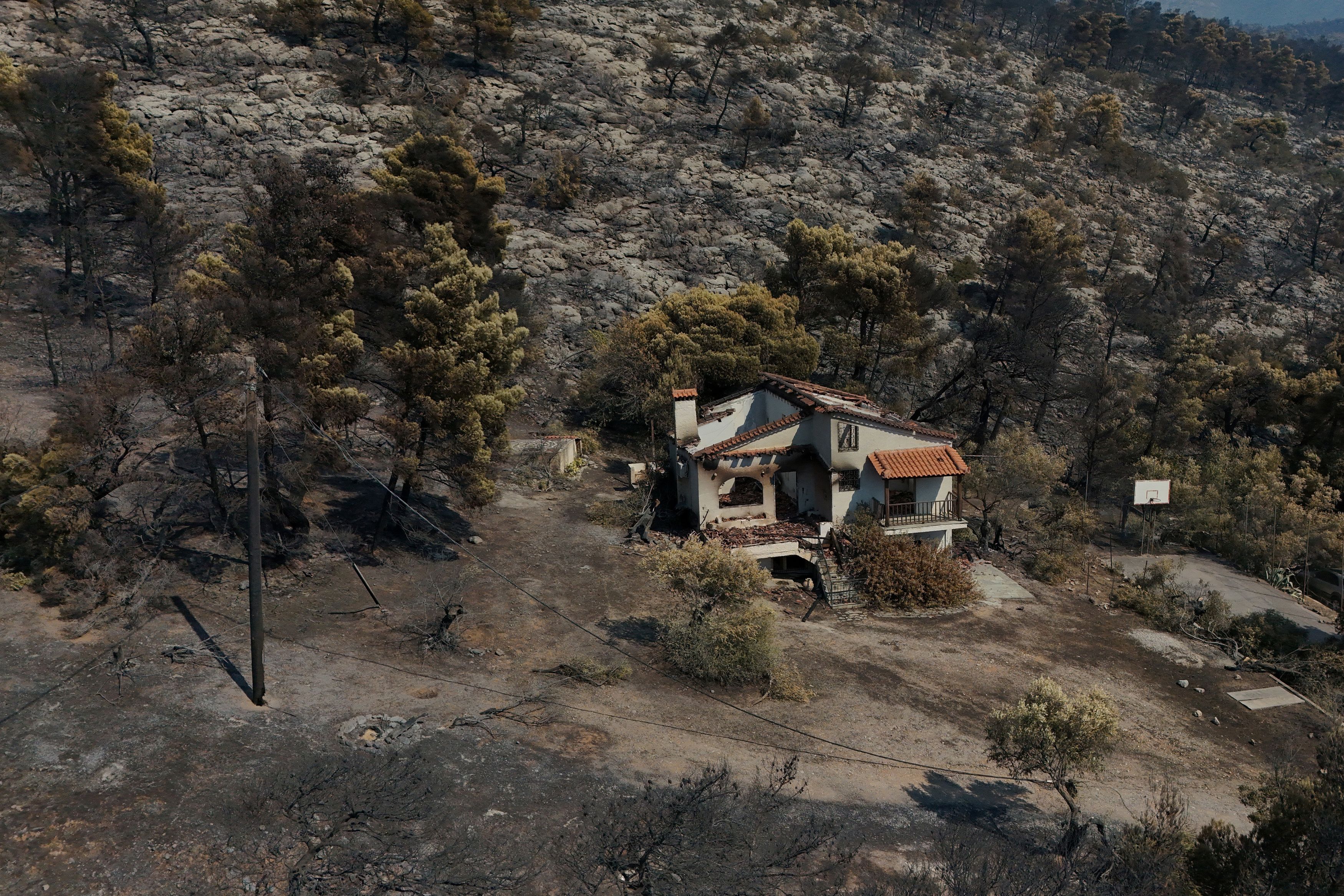
A drone view shows a burnt house after a wildfire in Porto Germeno, Greece, August 3, 2026. REUTERS/Stelios Misinas
For many Greek households, however, the cost of insurance remains a genuine barrier. Rather than relying predominantly on post-disaster compensation, the state should use the ENFIA system more strategically to make insurance more affordable and encourage wider participation. Higher insurance uptake would reduce the state’s long-term fiscal exposure to disaster compensation while allowing more public resources to be directed towards forest management, resilient infrastructure and climate adaptation.
This is more than a tax incentive. It is an institutional reform that aligns the interests of households, insurers and government around a common objective: reducing risk before disasters occur rather than financing losses afterwards.
Ultimately, this is not simply a debate about insurance. It is a debate about how a modern state distributes responsibility for managing risk in an age of climate change. Building a broader insurance culture—in which households, municipalities, infrastructure operators, insurers and government all share responsibility—is an important step towards that goal. In an era of more frequent and destructive climate disasters, the most resilient societies will be distinguished not only by how compassionately they respond after catastrophe, but by how effectively they build institutions that reduce risk before the first spark.