 Μake us preferred on Google
 Global energy market developments are driving fresh increases in fuel prices across Greece, with both unleaded petrol and diesel approaching the €2-per-litre mark once again.
The latest surge follows a sharp rise in international oil prices, with Brent crude climbing above $88 per barrel, more than 20% higher than at the beginning of July. The increase has filtered through to domestic fuel prices, adding pressure on households and businesses.
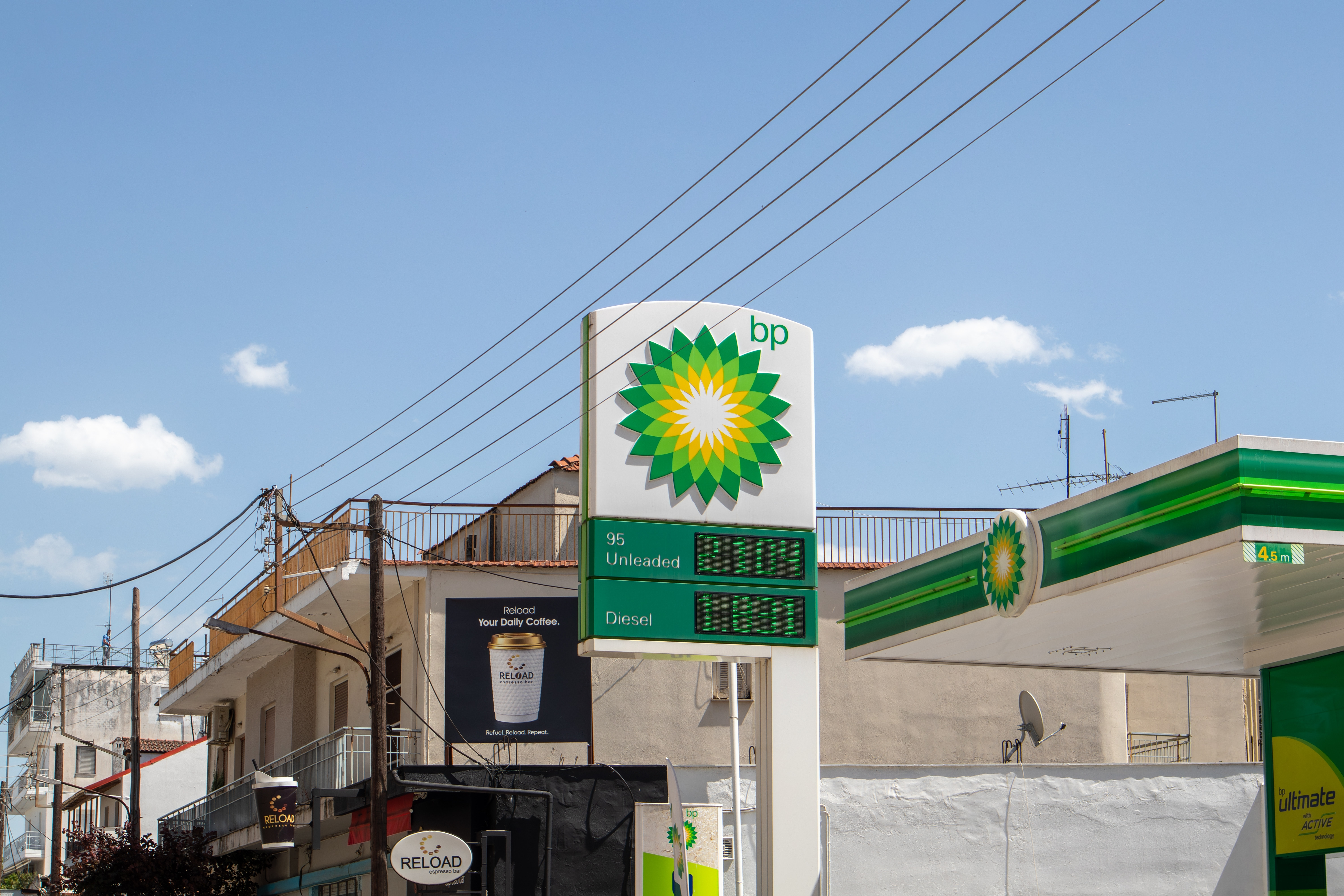
The average nationwide price of unleaded petrol has reached €1.974 per liter, up by around four cents since the start of the month. Diesel has recorded an even steeper increase, now averaging €1.933 per liter—28.5 cents higher than on July 1, when it stood at €1.648 per liter.
The narrowing price gap between diesel and petrol has raised concerns that diesel could soon become more expensive than unleaded fuel if current trends continue.
While an agreement between the Greek government and domestic refineries has reportedly helped slow the pace of price increases, fuel prices have already exceeded €2 per liter in 13 regional areas across the country.
The highest prices are being recorded on several islands, where unleaded petrol is selling for as much as €2.22 per liter and diesel for €2.10. Elevated prices have also been reported in other parts of the country, including several mainland regions.
Natural gas prices also surge
The rise in energy costs extends beyond transport fuels. Natural gas prices have climbed by more than 40% over the past month, increasing pressure on European energy markets.
Europe imports around 80% of the natural gas it consumes, with roughly one-fifth coming from Gulf countries. At the same time, gas storage levels are at their lowest point in five years, while European rules require storage facilities to be filled to between 80% and 90% by October.
The combination of stronger demand and tighter supply has raised concerns that electricity prices could also come under pressure in the coming months if energy market volatility continues.
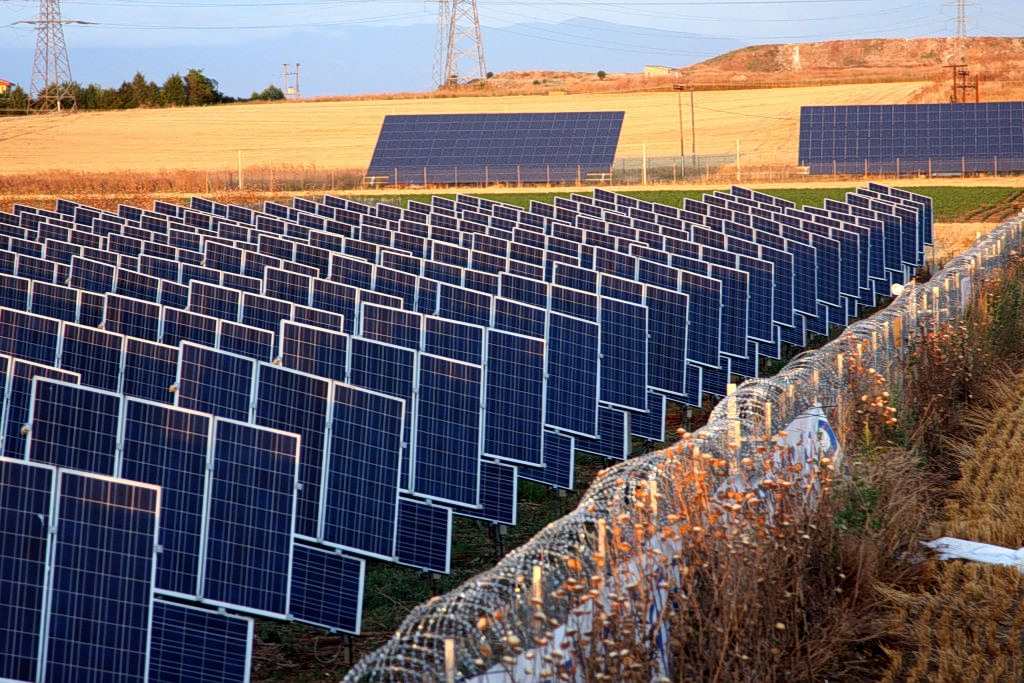
In Greece, however, renewable energy sources account for approximately 40% to 50% of electricity generation, helping to moderate wholesale electricity prices despite broader market instability.