 Μake us preferred on Google
 Greece is looking beyond its beaches and islands as it seeks to develop year-round tourism in the country’s mountainous interior.
Western Macedonia, Greece’s only region without a coastline, presented a new tourism identity on Aug. 29 centered on its mountains, lakes, traditional villages, wine and gastronomy.
“Who said Greece is only sun and sea?” Deputy Tourism Minister Anna Karamanli said during the presentation in Kozani. “Greece is also sun and mountains. It is lakes and rivers.”
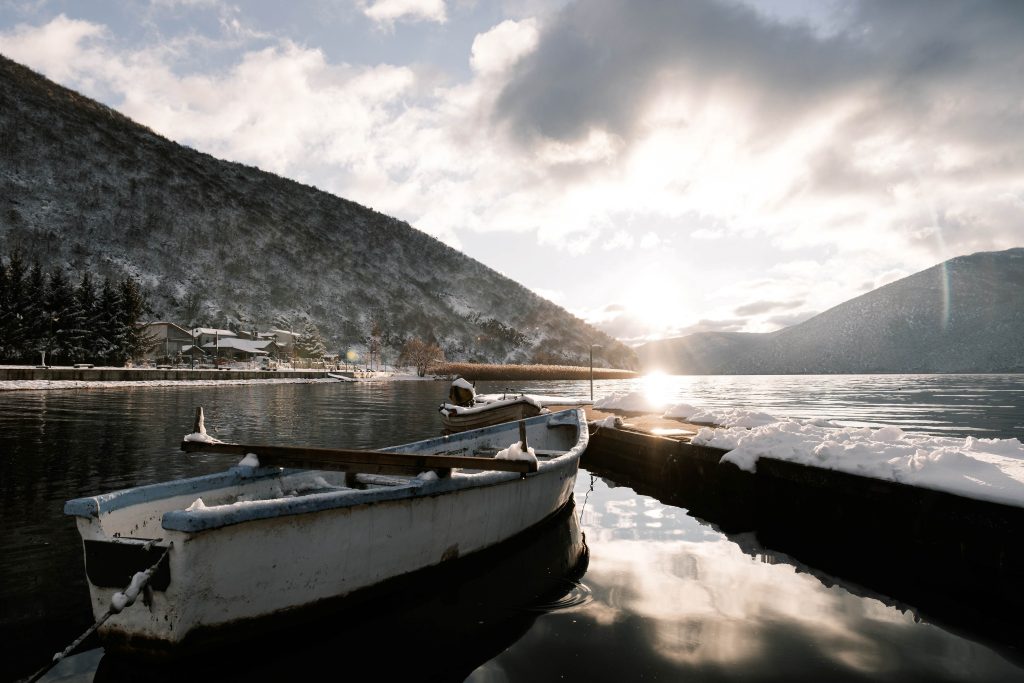
Snowy landscape in the Prespa Region, Florina on January 21 2024
The initiative forms part of the government’s broader strategy for mountain tourism, promoted under the message: “Mountain Greece. It takes you higher. All year round.”
According to the Tourism Ministry, Western Macedonia is expected to play a central role in testing that strategy. The region includes the prefectures of Kozani, Florina, Kastoria and Grevena and offers a markedly different visitor experience from the islands that dominate Greece’s international tourism image.
Lakes, Mountains and Stone Villages
Kastoria is built around Lake Orestiada, with a waterfront lined by Byzantine churches, traditional mansions and neighborhoods reflecting the city’s long commercial history. Among its attractions are the Doltso district, the Byzantine Museum and the Dragon’s Cave, which contains underground lakes and limestone formations.
Farther north, the Prespa Lakes extend across Greece, Albania and North Macedonia. The Greek section includes the island of Agios Achilleios, reached by a floating footbridge, as well as wetlands that support important bird populations and traditional fishing communities.
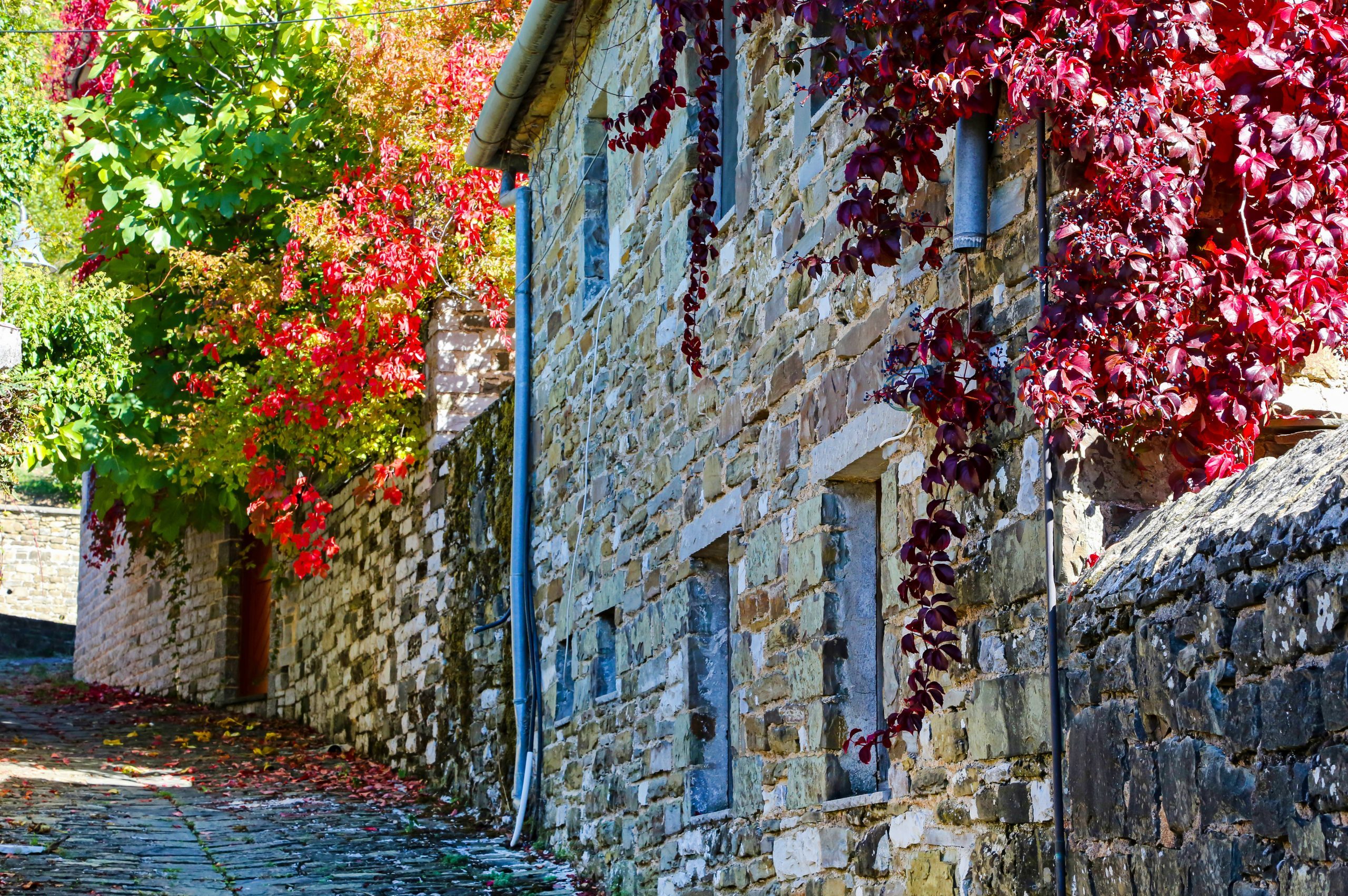
The stone-built village of Nymfaio, on Mount Vitsi, is known for its restored mansions and cobbled streets. The nearby Arcturos environmental organization operates sanctuaries for bears and wolves that cannot be returned to the wild.
Grevena provides access to the Pindus mountains and the Valia Calda National Park. The region also contains the ski centers of Vasilitsa, Vigla Pisoderi and Vitsi.
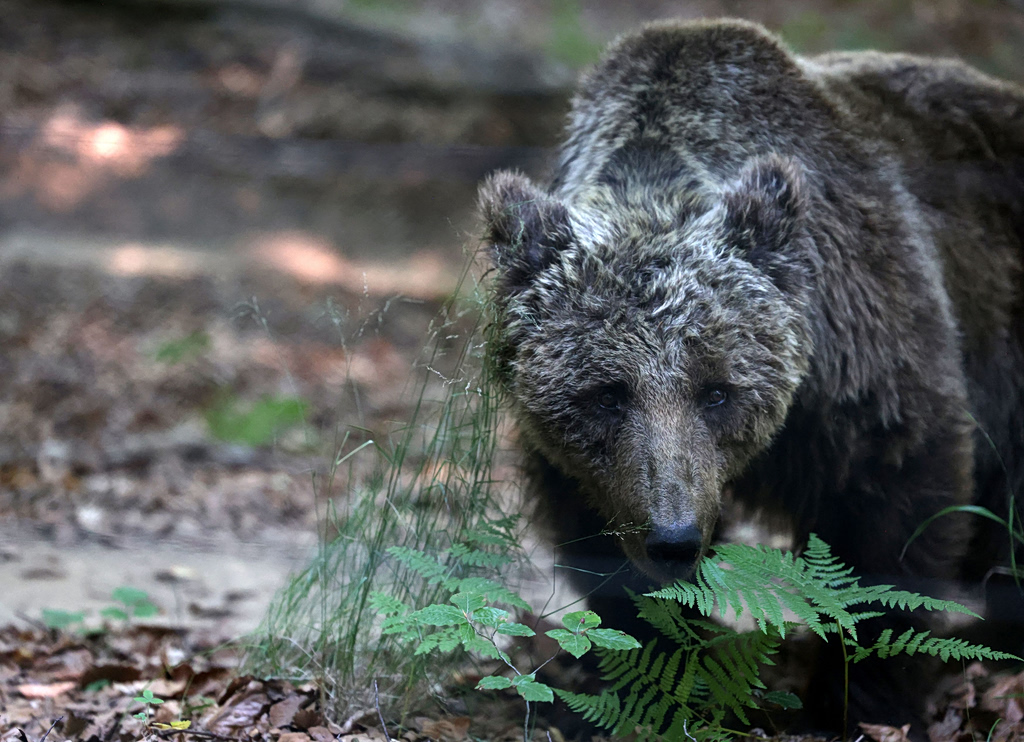
A bear at the NGO Arcturos’ bear sanctuary in the village of Nymfaio, near Florina, Greece, August 18, 2026. REUTERS/Yiannis Kourtoglou
Recent legislation allows Greek ski centers and their lifts to operate throughout the year. The Tourism Ministry said this could support activities outside the winter season, although its announcement did not identify specific projects or investment plans for the three Western Macedonian centers.
The region also has a distinct agricultural and culinary identity. The high-altitude Amyntaio wine zone is closely associated with the Xinomavro grape, while prominent regional products include Prespa beans, Florina peppers and Kozani saffron.
Karamanli said these assets give Western Macedonia the potential to develop mountain, wine, agricultural, religious and pilgrimage tourism.
Part of Western Macedonia’s Economic Transition
The tourism strategy is being introduced as Western Macedonia moves away from an economy long associated with lignite mining and electricity generation.
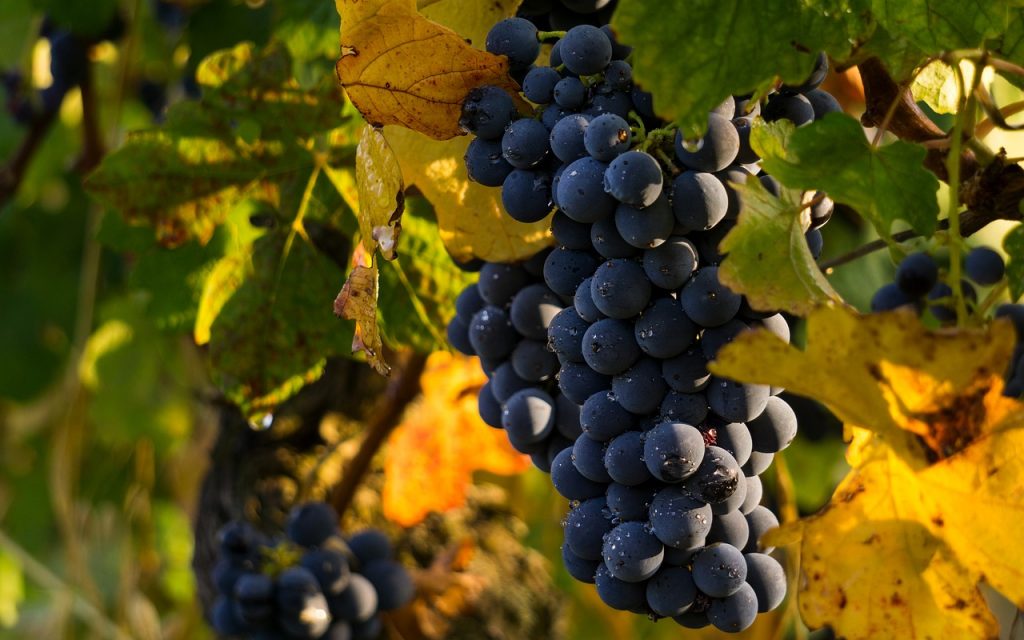
Xinomavro wine grapes
Greece’s Just Transition Development Plan identifies sustainable tourism as one of five development priorities for former lignite areas. The other pillars are clean energy, industry and trade, smart agricultural production, and technology and education.
The International Energy Agency notes that Western Macedonia has historically produced approximately 80% of Greece’s lignite and warns that the closure of mines and power plants will create economic and employment disruption.
The European Investment Bank is also financing projects intended to address the region’s social, economic and environmental transition, including interventions in tourism, culture, transport, health and energy efficiency.
The Tourism Ministry has introduced a “Sustainable Mountain Tourism Destination” designation, intended to provide a framework for accommodation and visitor activities in mountain areas.

Loutra Pozar Thermal Baths and hot springs in nature in Loutraki near Edessa, Macedonia, Greece
Kastoria is also one of five Greek destinations selected for detailed sustainable-tourism studies under the government’s forthcoming Tourism White Paper for 2030-2035.
Domestic tourism forms another part of the initiative. More than 1.15 million applications were submitted for the 2026-2027 “Tourism for All” subsidy program, according to the ministry. Almost 71% concerned travel during the low season. In 2025, approximately 408,000 euros from the program was spent in Western Macedonia.
The next step will be to turn the region’s tourism identity into a coordinated program of investment and promotion. Authorities will need to support accommodation, transport, visitor services and year-round activities while protecting the lakes, forests and mountain habitats that make Western Macedonia attractive. Clear implementation plans and regular reporting on tourism, investment and employment will be essential to show whether the initiative is contributing to the region’s post-lignite economic transition.