 Μake us preferred on Google
 The cost-of-living crisis squeezing Greek households is turning the traditional summer holiday from an expected part of life into a luxury for many.
With ferry fares, accommodation and fuel prices all rising, even a short getaway can strain family budgets. For many, island destinations have become increasingly unaffordable, as the cost of travelling by car and ferry can approach the price of accommodation itself. As a result, mainland destinations such as the Peloponnese, Epirus, Central Greece and Halkidiki are emerging as more affordable alternatives.
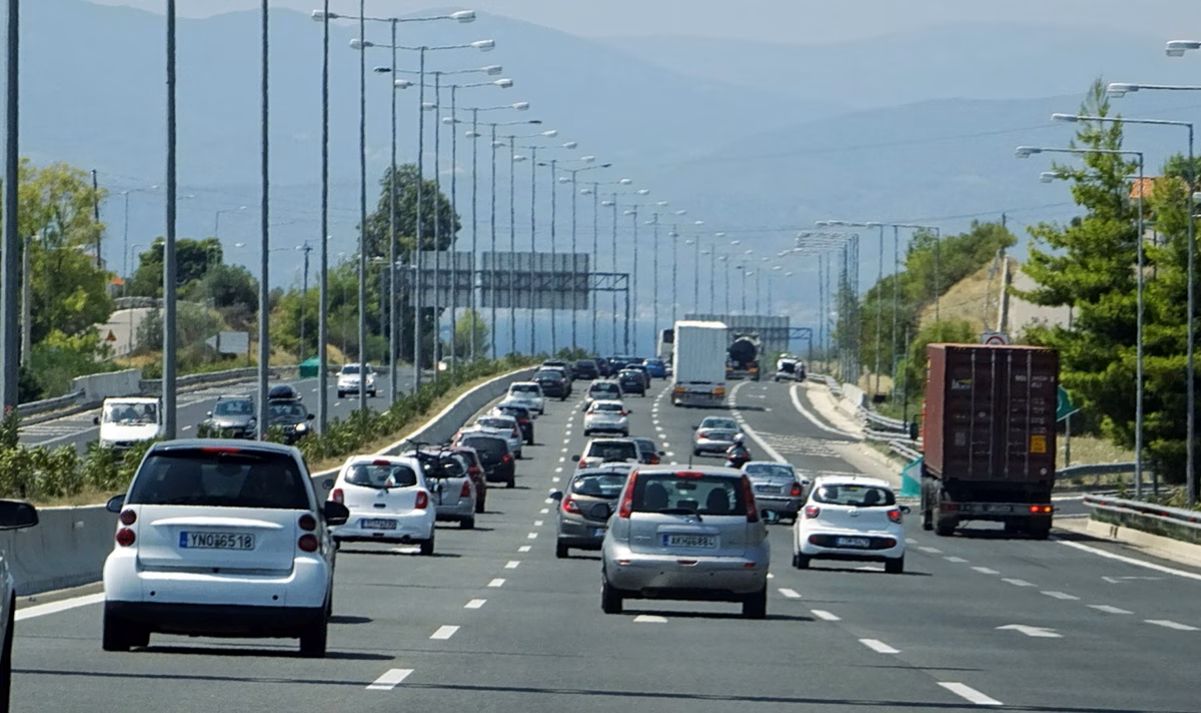
But travelling by car also comes at a cost. High petrol prices and motorway tolls add significantly to the expense of a holiday. A round trip from Athens to Nafplio costs around 57 euros in fuel and tolls, while the journey to Methoni comes to approximately 118 euros. The cost rises further with distance: nearly 130 euros for a round trip to Monemvasia and just under 160 euros to Horefto in Pelion.
The financial pressure is reflected in recent opinion polls, with nearly 47% of respondents saying they will not take a summer holiday this year. The high cost of accommodation, cited by more than 75%, as well as other essential expenses and rising transport and fuel costs, are among the main reasons. Almost half also say their financial situation is worse than a year ago.
For those who do travel, long and carefree holidays are increasingly being replaced by cost-cutting strategies. More than 45% choose to stay in their own or relatives’ and friends’ homes, while others reduce restaurant meals and nightlife spending and rely more on supermarket shopping.
The trend highlights a growing paradox in Greece’s tourism economy. While international arrivals continue to reach record levels, domestic tourism spending is declining, reflecting the widening gap between the strength of the tourism sector and the purchasing power of Greek households.
According to a new international study by Hellosafe, Greece is the most expensive Mediterranean country for a holiday in 2026, raising further concerns over the affordability of summer travel for Greek consumers.