 Μake us preferred on Google
As part of ongoing efforts to keep pace with evolving travel trends, the Greek Tourism Ministry unveiled on Thursday, its new TAG Greece initiative, aiming to bring Greek food products, local traditions and gastronomy into the tourism experience.
Standing for Tourism, Agritourism and Gastronomy, TAG Greece aims to enhance the traveler experience by introducing visitors to the wide variety of Greek food products, the way these products are made and, of course, Greek cuisine.
Presenting TAG Greece during a special event in Athens, Greek Tourism Minister Olga Kefalogianni said it was the first time that a framework had been established to recognize Greek primary production and its products as an integral part of tourism.
Travelers, she said, are now more than ever interested in authentic experiences, getting closer to the people and places they visit through hands-on activities and learning experiences. TAG Greece aims to bring these experiences together, connecting tourism with local production, gastronomy and the people behind Greece’s traditional products.
In this direction, she referred to the successful implementation of certification schemes for wineries, breweries, olive mills and cheese-making facilities that are open to visitors.
The longterm goal of the new initiative is to boost Greece’s competitiveness as a tourism destination, diversify its tourism product, extend the tourism season and develop new experiences that give travelers more reasons to visit Greece, said Kefalogianni.
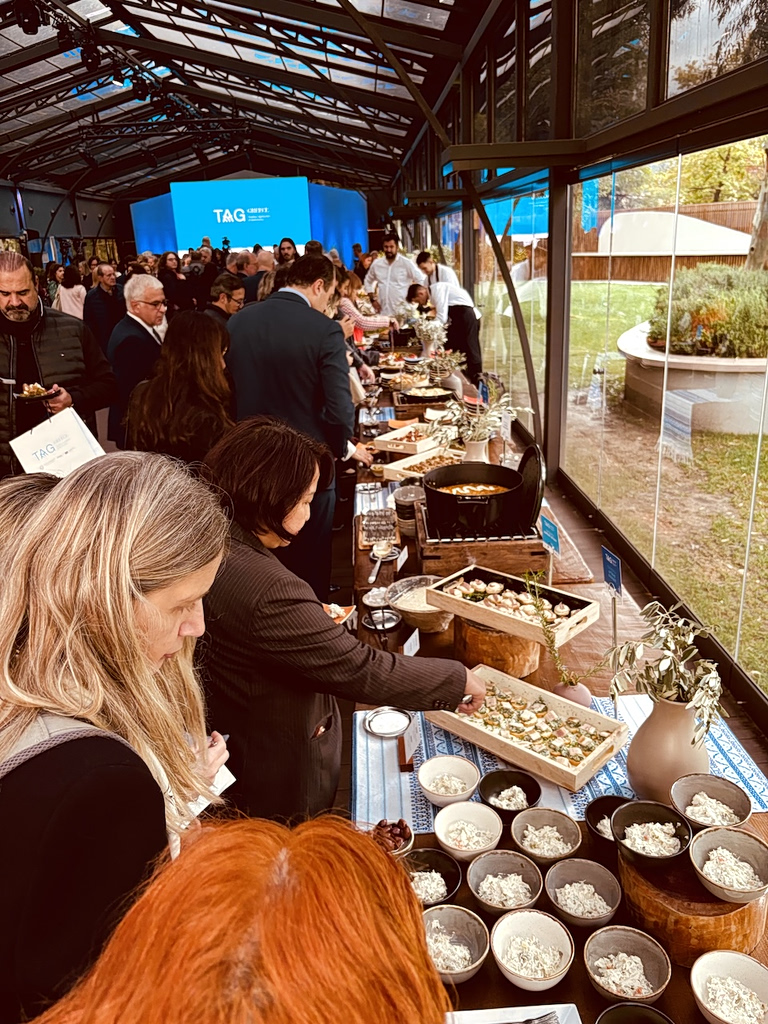
Sampling delicacies Made in Greece during the launch of TAG Greece in Athens, on October 29, 2026. Photo: Maria Paravantes
Above all, the minister said TAG Greece prioritizes small- and medium-sized enterprises active in the primary sector, offering these businesses greater market access while supporting young people and families who wish to remain in their villages and towns.
The TAG Greece initiative comes as the country’s tourism sector continues to strengthen its position as a key driver of the economy. In 2025, Greece welcomed 43.3 million visitors, who generated 23.6 billion euros in tourism revenues. The sector accounts for 13% of the country’s GDP.
Kefalogianni said the figures are expected to grow in the coming years, with tourism leaving an even more significant economic imprint. That is why, she said, monitoring changing traveler needs and keeping up with emerging trends is of utmost importance for Greece to maintain its competitive edge.
Renewed Interest in Heritage
The new initiative comes at a time of renewed interest in Greek heritage and its role in tourism. Earlier this month, Kefalogianni met with UNESCO Director-General Khaled El-Enany, Assistant Director-General for Culture Nayef Al-Fayez and Greece’s Permanent Representative to UNESCO, Giorgos Koumoutsakos, in Paris. During their meeting, they discussed integrating heritage into the tourism experience, protecting monuments and historical sites, ensuring sustainable tourism development and expanding Greece’s cultural routes program.
Kefalogianni also underlined the importance for Greece of the expansion of the MICHELIN Guide beyond Athens to include Thessaloniki and Santorini for the first time. The 2027 guide now lists 62 restaurants, 20 of which with one MICHELIN star. The expansion, she said, further strengthens the country’s position as a gastronomy destination.
On-the-Spot Tasting
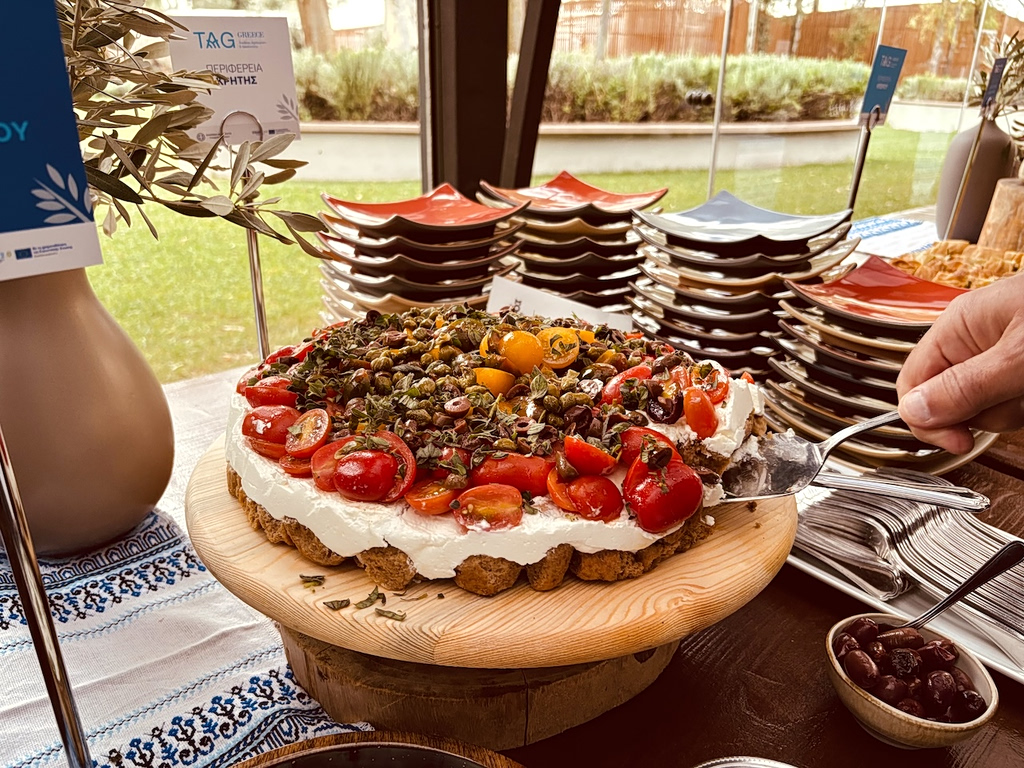
A modernized version of the Cretan dakos on offer during the launch of TAG Greece in Athens, on October 29, 2026. Photo: Maria Paravantes
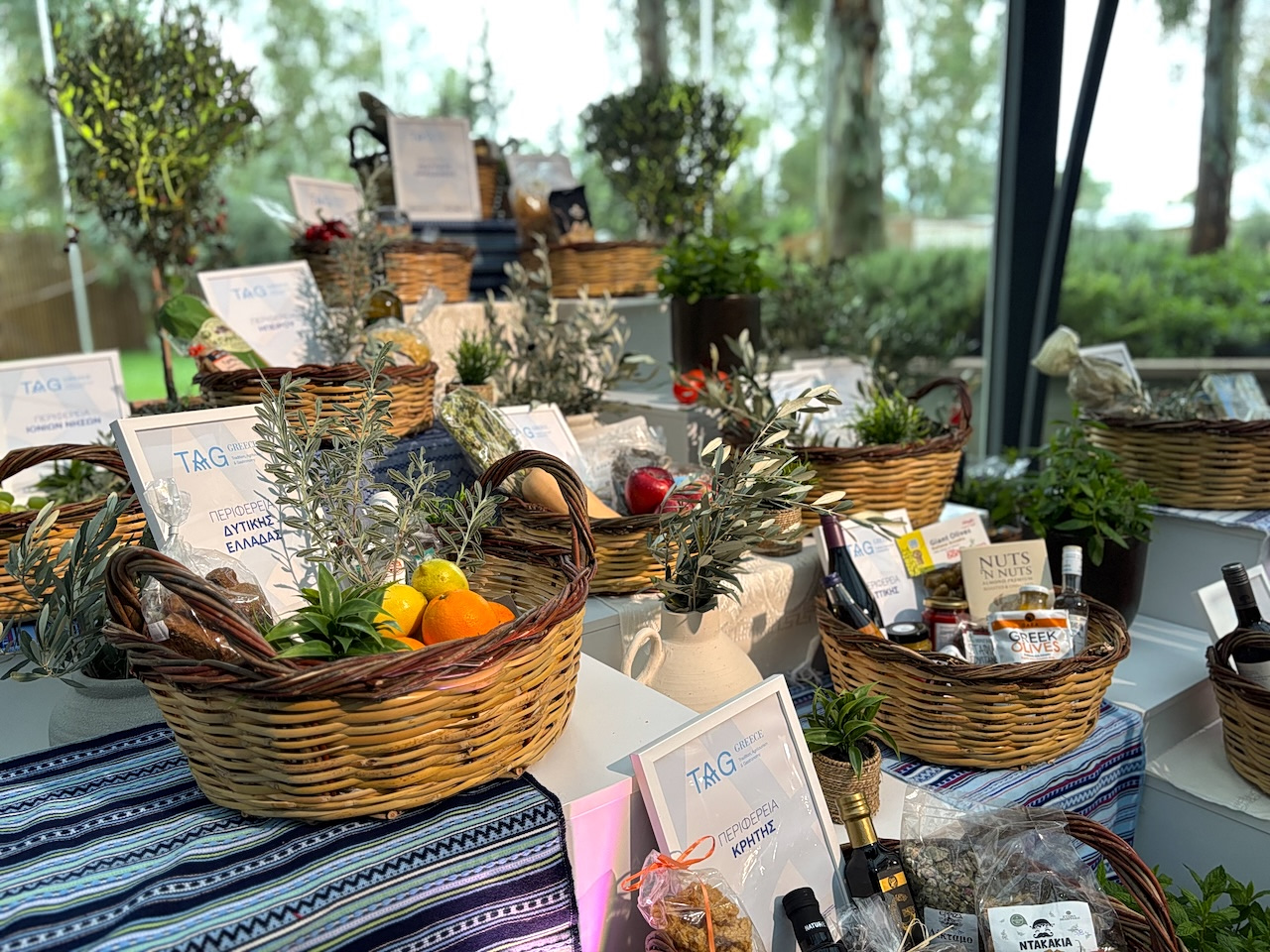
During Thursday’s event, participants had the chance to sample select delicacies from different regions of Greece, prepared using locally produced ingredients. The menu included Cretan rusks, sardines, cheeses, herbs, extra virgin olive oil, a selection of Greek olives, raisins, wines, nuts, as well as vegetables and fruits from across the country.
The tasting highlighted the diversity of Greek products and culinary traditions, from the Peloponnese and Western Macedonia to the Aegean islands and Epirus.
Kefalogianni reiterated that tourism is a national affair, generating revenues, supporting local economies and creating opportunities for communities across Greece.
Concluding, she invited travelers to visit Greece and discover its countryside, gastronomy and traditions.