
 Μake us preferred on Google
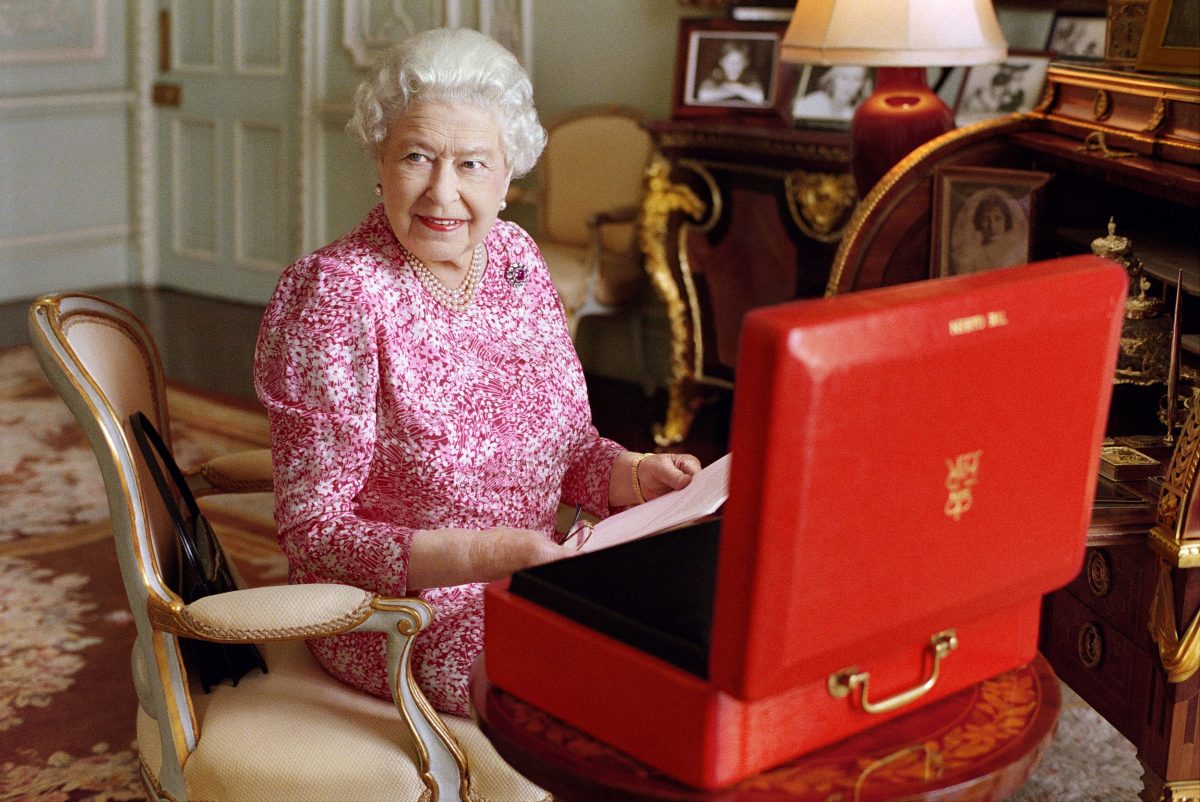
 On this day, on September 9th 2015, 11 years ago, Queen Elizabeth II surpassed her great-great-grandmother Queen Victoria, in years reigned. At that point, that number was 63 years.
By the time of her death in 2022, her reign had crossed into septuagenarian territory, at 70 years and 214 days. In total 15 prime ministers had passed by the time of her death. Few if any could remember a time before her reign. Her passing was greatly mourned by the British people.

LONDON, UK – September 2022: Thousands of people lay flowers and cards in Green park in tribute to Queen Elizabeth II after her death
Despite coming to power during the colonial era, the legacy of which is tightly interwoven with the monarchy’s five centuries of empire-building, the British monarchy has managed to weather every storm that called for its abolition. According to a YouGov poll in July 2026, 64% of Britons still support the continuation of the monarchy, with 57-60% viewing the institution favourably, despite recent controversies.
This legacy is largely the result of the long-reigning Queen Elizabeth II.
While her persistent apolitical stance and lack of personal scandals had certainly helped reinforce her popularity, popular perception itself tends to reward long-reigns for monarchs. After all, a long and stable monarchy, with a familiar face at the helm, symbolizes continuity and tradition, values that are cherished by many.
Enduring Hegemons Across Time
Many exceptional examples throughout history demonstrate how long-reigns, just drawing from the number of years ruled, provided an air of legitimacy and righteousness that don’t necessarily require achievements to cement.
King Louis XIV of France, ruled from 1643-1715, for an astonishing 72 years, coming to the throne at age 4, and after 17 years of regency assumed personal rule at age 22, and ruling until age 76. Known as the “Sun King”, his long reign became propaganda, feeding the idea of an unshakeable, divinely sanctioned state. His most famous quote L’État, c’est moi resonated ever more strongly because of his longevity. That created legitimacy that was actively performed and maintained simply through duration.
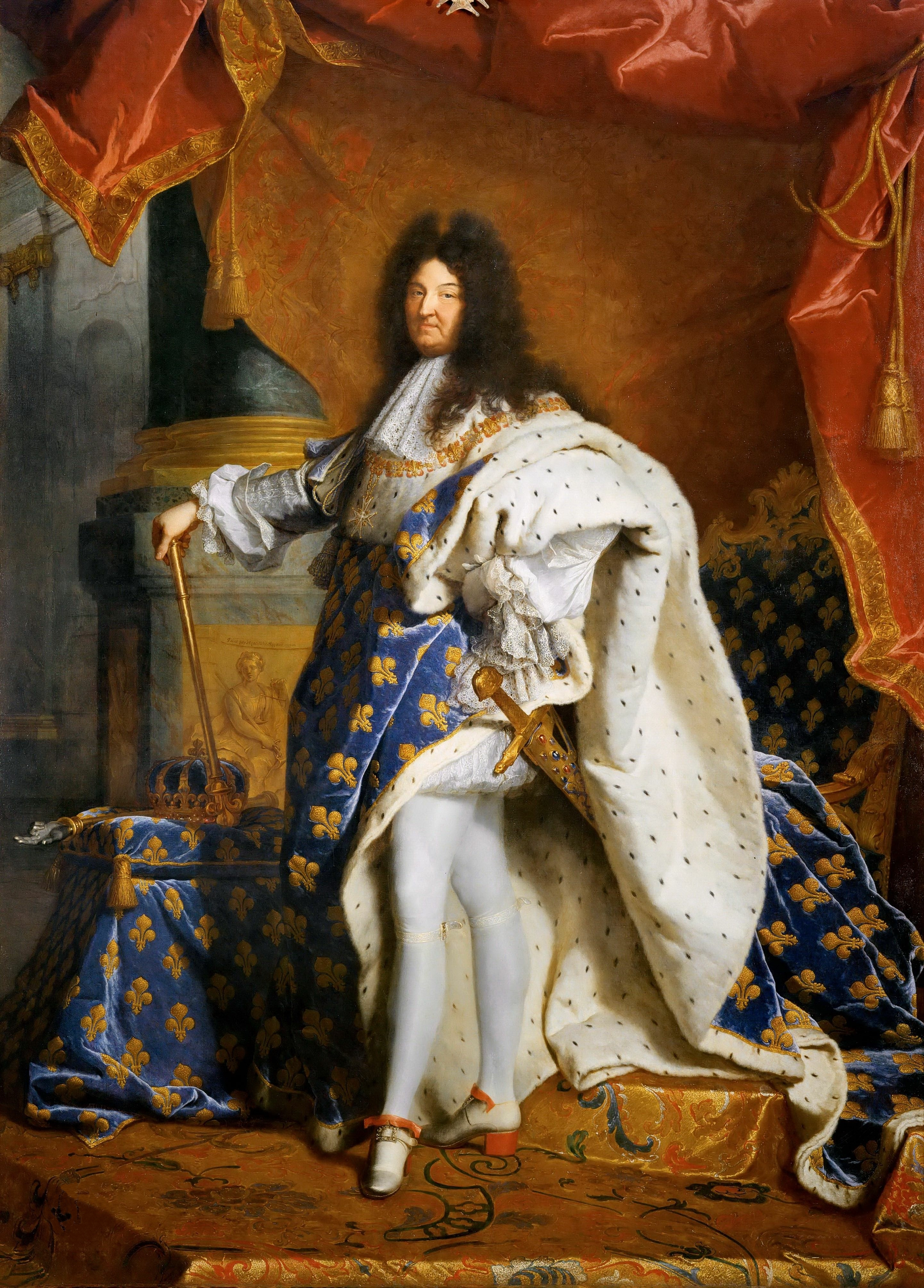
Portrait of Louis XIV of France in Coronation Robes by Hyacinthe Rigaud, Louvre Museum. Source: Wikimedia Commons
Thousands of kilometers on the other side of the world, the Kangxi Emperor of China’s Qing Dynasty, ruling from 1661-1722, for 61 years, offers a similar analogy of power through duration, albeit from an entirely different cultural tradition. His reign is remembered as a golden age of imperial consolidation and stability, reinforcing, through his longevity, the Chinese imperial “Mandate of Heaven”. His endurance on the throne, demonstrated “divine” favour and thus increased legitimacy and popular perception of his rule.
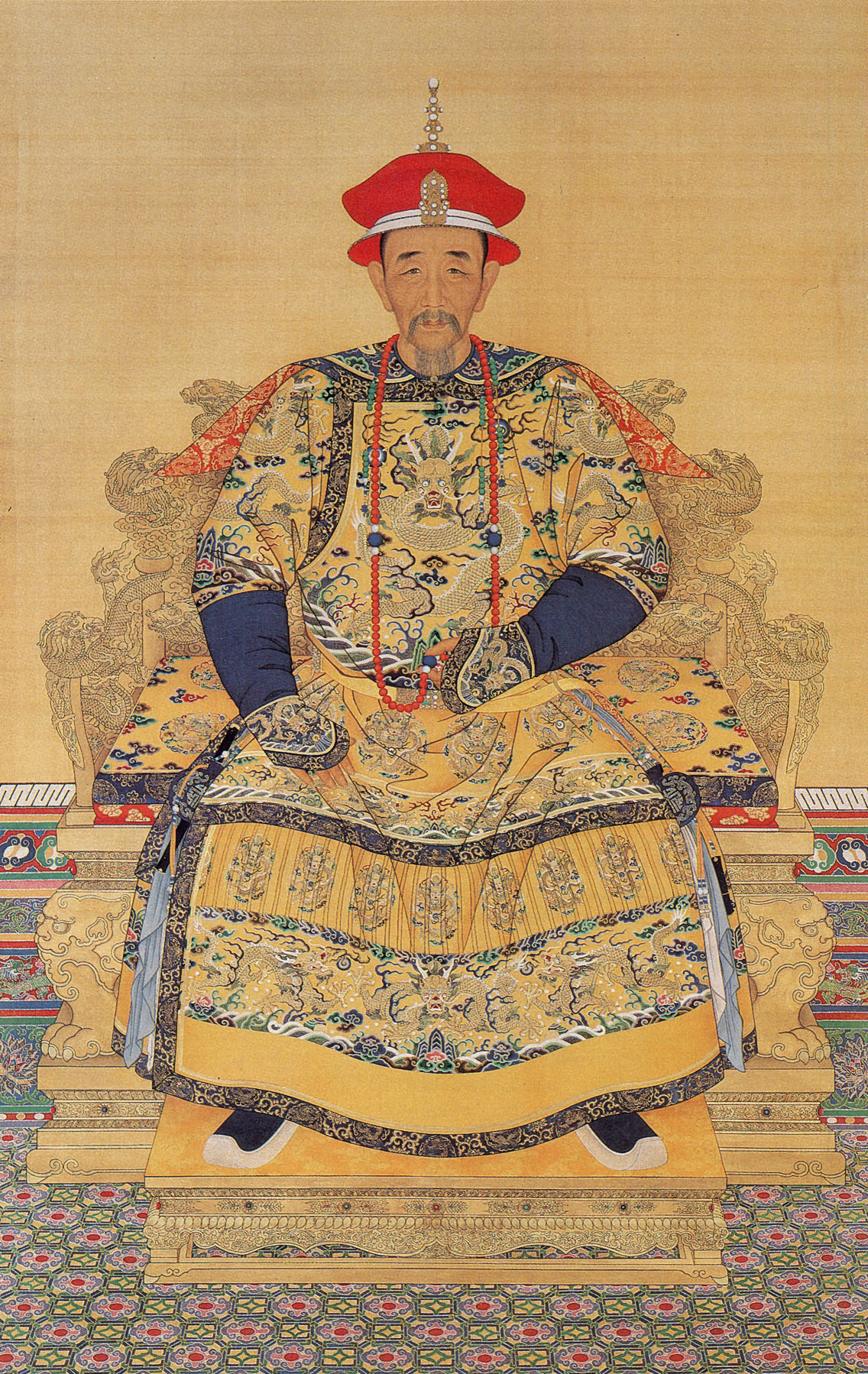
Portrait of the Kangxi Emperor in Court Dress. Source: Wikimedia Commons
Coming back to modern times, King Rama IX of Thailand, in power between 1946-2016 for a total of 70 years, was also revered as a stabilizing moral authority and an enduring fatherly figure. This perception has remained despite the more nuanced academic interpretations that paint his fatherly image as carefully constructed state propaganda.
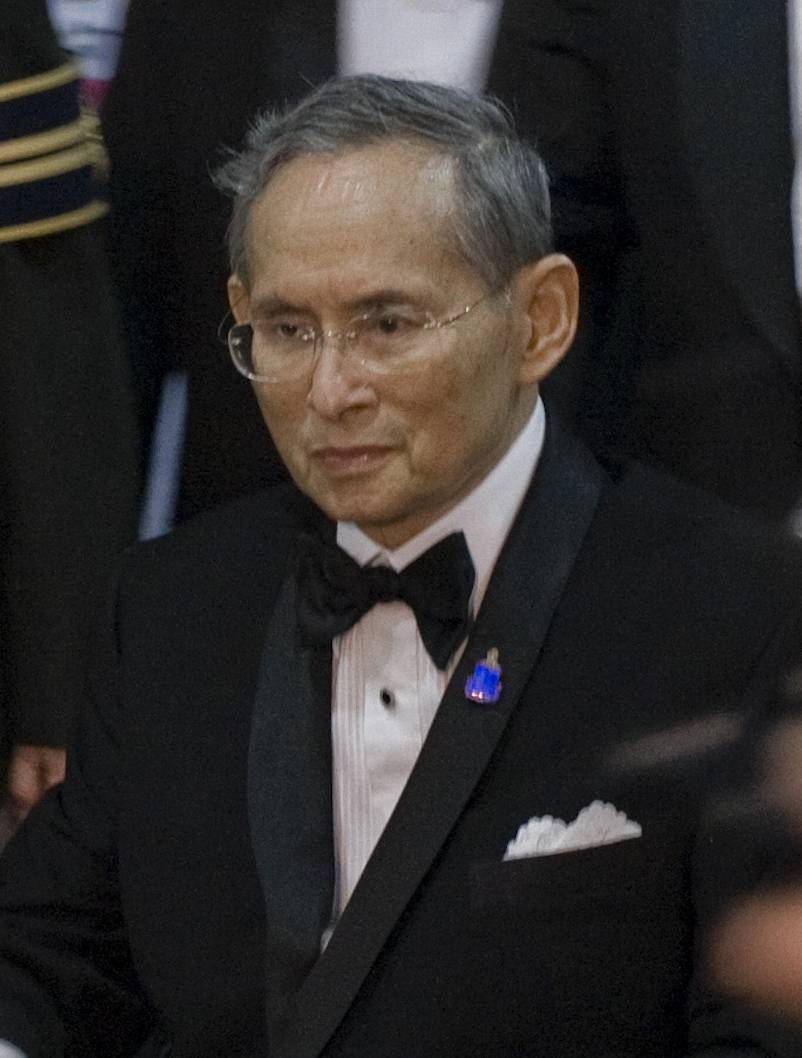
King Bhumibol Adulyadej, proceeded from his residence on the 16th floor of the Chalerm Phrakiat Building at Siriraj Hospital to attend a performance titled “Siriraj Concert: In Tribute to the Great Artist” at the Rajapattayalai Auditorium, Siriraj Hospital, on 9 September 2010. Source: Wikimedia Commons
Finally, the ruler that Elizabeth II herself surpassed, Queen Victoria, in power for 63 years between 1837 and 1901, her apparently perennial reign was so influential that her name literally became shorthand for an era, the Victorian era. That’s reign-length, effectively calcifying into legitimacy and defining a whole period by the socio-political and moral influence of the ruler
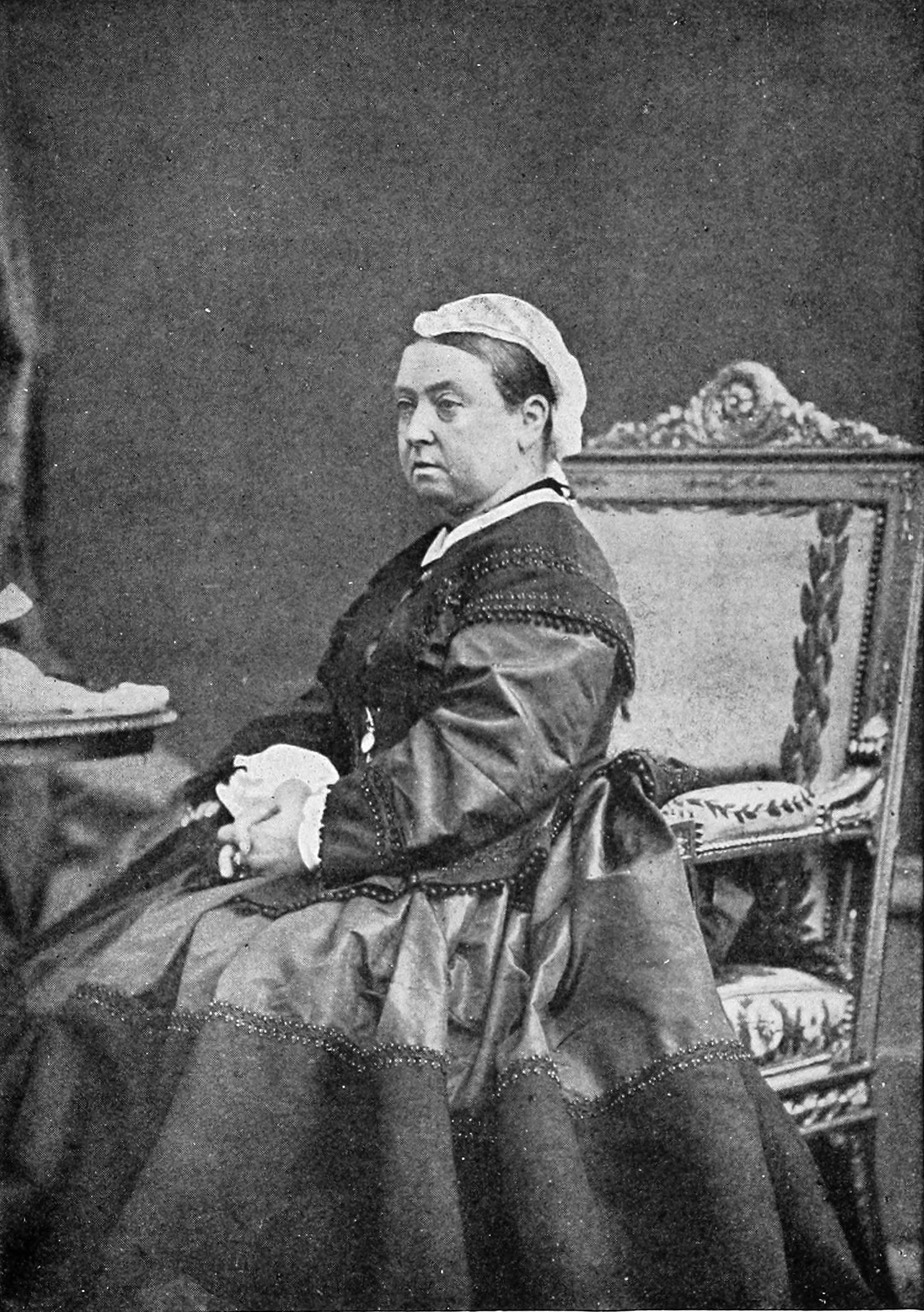
Queen Victoria in 1863. Source: Wikimedia Commons
Most of the aforementioned rulers, did in fact participate much more in political life than Queen Elizabeth II herself did. The fact still remains that whether active or ceremonial, every ruler’s legitimacy grows proportional to years at the helm. If bad news can be outlasted, endurance itself becomes the crowning achievement.
Write to Angelos Gassenschmidt at agassenschmidt@tovima.com