 Μake us preferred on Google
Sudan’s worsening food crisis has prompted a joint appeal from the United States and dozens of countries, which are urging greater humanitarian access and financial support as the risk of famine grows in the country.
The appeal comes as fighting between Sudan’s armed forces and the paramilitary Rapid Support Forces (RSF) continues to disrupt civilian life, displace millions and undermine food production. The conflict began in April 2023, following a breakdown in relations between the two forces over issues including their planned integration during a transition to civilian rule.
In a statement issued Monday by the US State Department, the signatories warned that the prospect of famine in the coming months required urgent action. They called on international donors to increase funding and asked financial institutions to adapt existing programs to the country’s deteriorating food security conditions.
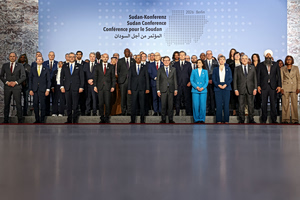
The United States, Australia, the United Kingdom, France, Germany and the European commissioner for equality, preparedness and crisis management were among those endorsing the appeal.
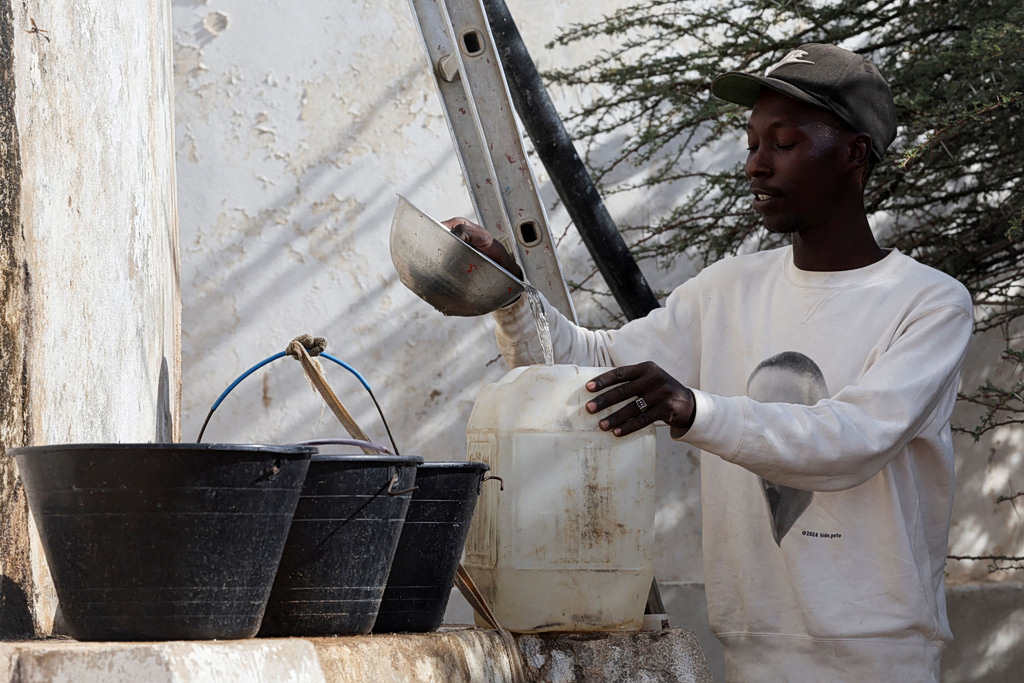
An aid worker for LM International, a faith-based non-profit, checks water at the Iridimi refugee camp, northwest of Iriba in Wadi Fira province, eastern Chad, November 27, 2025. REUTERS/Amr Abdallah Dalsh To match Special Report SUDAN-POLITICS/REFUGEES
Humanitarian routes must remain open
The countries called on the army and the RSF to remove barriers preventing aid deliveries and authorize humanitarian operations across front lines and international borders. They specifically included air access to Darfur among the routes that should be available.
The statement also stressed the need to protect humanitarian workers and ensure they can maintain a presence across Sudan. Both sides were urged to refrain from attacks on civilian infrastructure.
The signatories said responsibility for easing the suffering of Sudan’s population rested primarily with the parties to the conflict, while emphasizing the need for broader international support.
Conflict and drought compound food shortages
The scale of the crisis was already severe earlier this year. In June, the Integrated Food Security Phase Classification, a global hunger-monitoring initiative supported by the United Nations, estimated that 5.1 million people in Sudan were experiencing severe hunger.
Agricultural production has been hampered since the war erupted, with farmers struggling to bring in their crops. A recent drought has added another challenge to food supplies, raising further concerns about the country’s ability to meet basic needs.
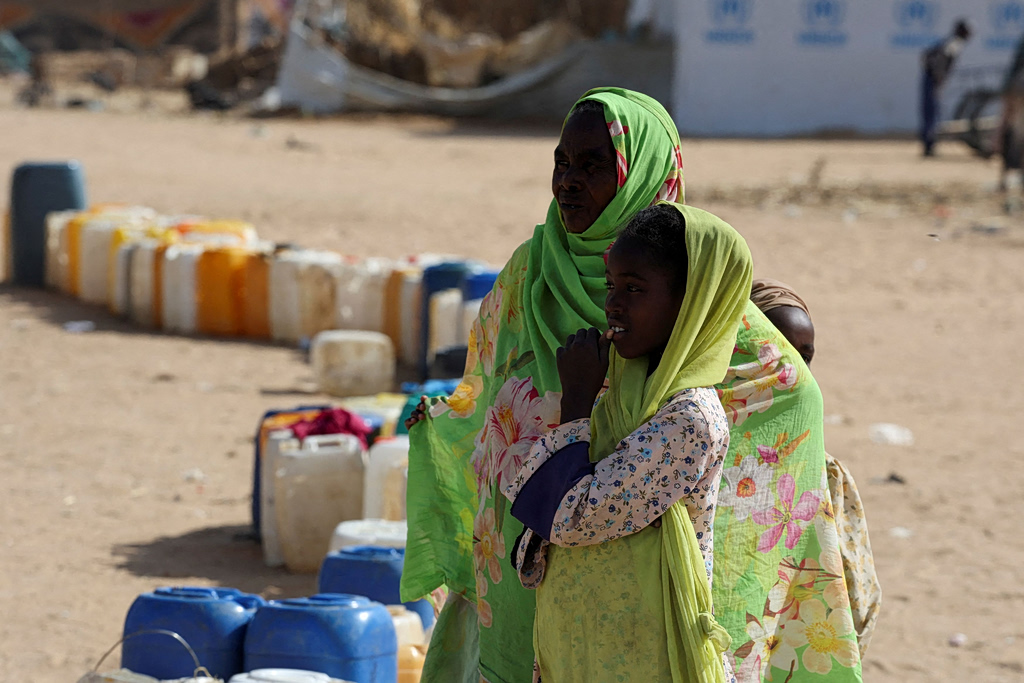
Sudanese refugee women react next to a line of empty jugs as families wait to collect water inside the Iridimi refugee camp, northwest of Iriba in Wadi Fira province, eastern Chad, November 27, 2025. REUTERS/Amr Abdallah Dalsh To match Special Report SUDAN-POLITICS/REFUGEES
At the same time, the humanitarian emergency extends beyond food insecurity. More than 14 million people have been displaced by the war, which has also been marked by reports of ethnically motivated killings.
As reported in Reuters, a UN investigation reported in July that RSF forces had carried out mass killings, rapes and forced starvation in a city they besieged and captured the previous year. The investigators described the acts as part of an intentional policy amounting to genocide.
Washington has also accused the RSF of genocide and Sudan’s army of war crimes. Both sides have previously denied allegations of abuses.
Last month, the US State Department said neither the Sudanese Armed Forces nor the RSF, nor their respective leaders, represented legitimate constitutional governance for Sudan.