 Μake us preferred on Google
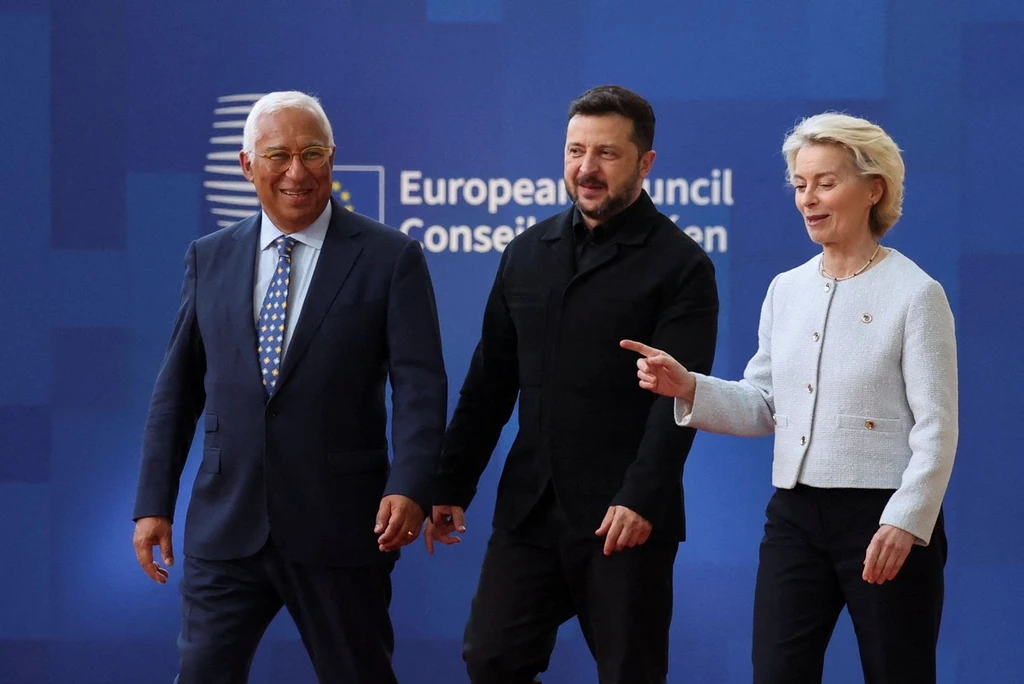
 The European Union’s intention to remain prepared for future diplomatic engagement with Russia, should conditions permit, emerged as a key theme during discussions on Ukraine at the European Council summit attended by Ukrainian President Volodymyr Zelenskyy on Thursday, June 18.
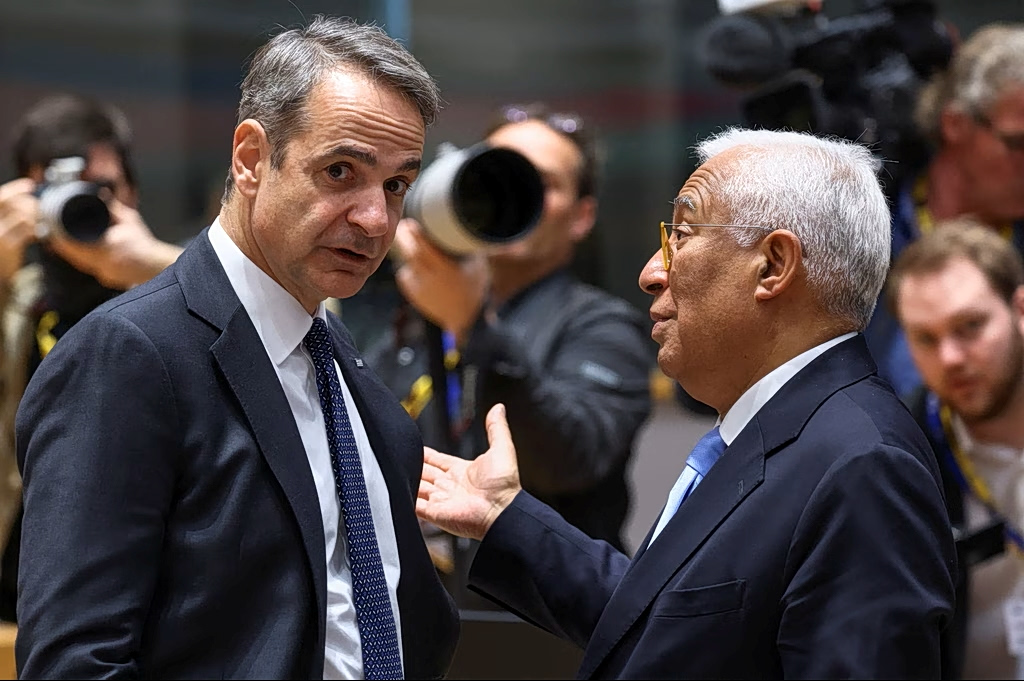
According to a senior EU official, European Council President Antonio Costa stressed the importance of the bloc acting with confidence in its support for Ukraine. At the same time, he underscored the EU’s readiness to assume its responsibilities in securing a just and lasting peace while safeguarding European interests, should the circumstances for engagement with Moscow eventually arise.
The official noted that this approach is consistent with President Zelenskyy’s call for Europe to play a more active role in diplomatic efforts aimed at ending the war.
EU leaders, the source said, remain closely aligned on their strategy toward Russia and on maintaining a unified European position. In this context, it was recalled that under the EU Treaties, the President of the European Council serves as the institutional representative of the Union’s interests, with a primary responsibility to preserve internal cohesion among member states.
Addressing the limited contacts currently maintained with the Kremlin, the official said Costa informed leaders that he had instructed his office to keep a diplomatic channel open with Russia. The objective, he explained, is to ensure that the EU is prepared to defend its interests when the appropriate moment arises. These contacts were described as brief and strictly procedural, involving neither substantive exchanges nor negotiations.
For the first time in a considerable period, the European Council unanimously adopted conclusions on Ukraine with the backing of all 27 member states. According to the EU source, the breakthrough reflected a softening of Hungary’s previous objections and signaled a renewed sense of unity within the bloc.
In their final conclusions, EU leaders welcomed the opening of the first cluster of chapters in Ukraine’s accession negotiations and expressed hope for swift progress on the remaining chapters. They also said they looked forward to the disbursement of the first tranche of a 90 billion euros loan package for 2026–2027, scheduled to reach Kyiv before the end of June 2026.
The European Council also reiterated its determination to further weaken Russia’s economy and war machine. Leaders emphasized the need to reduce Moscow’s energy revenues, curb the activities of its so-called shadow fleet, and intensify pressure on the Russian banking sector.
They welcomed the recent approval of the EU’s 20th sanctions package, which focuses on the shadow fleet, and called for the rapid finalization and adoption of a 21st round of restrictive measures.
Finally, the summit demanded an immediate end to all external support for Russia and explicitly condemned military assistance provided to Moscow by North Korea, Iran, and Belarus.