 Μake us preferred on Google
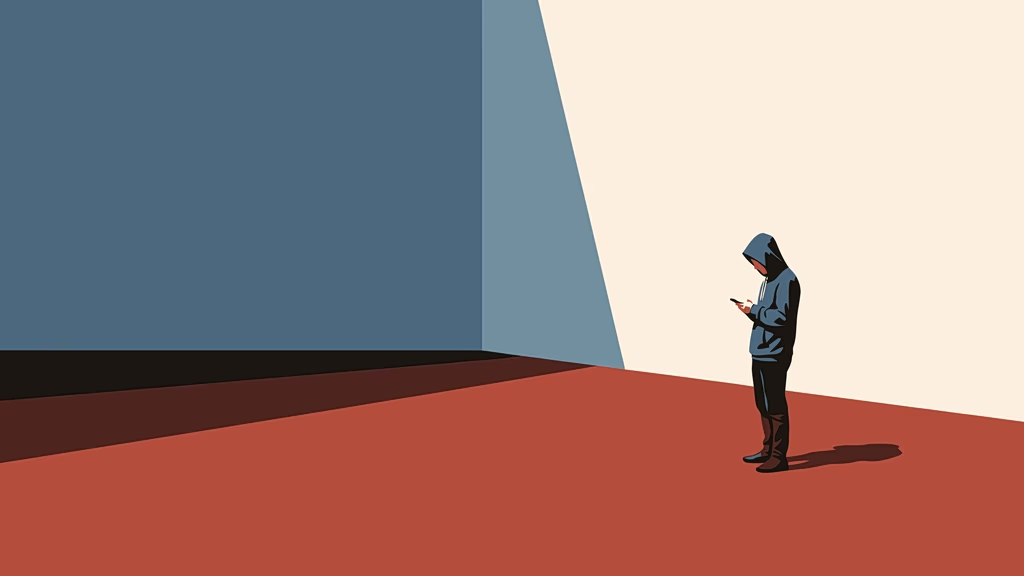
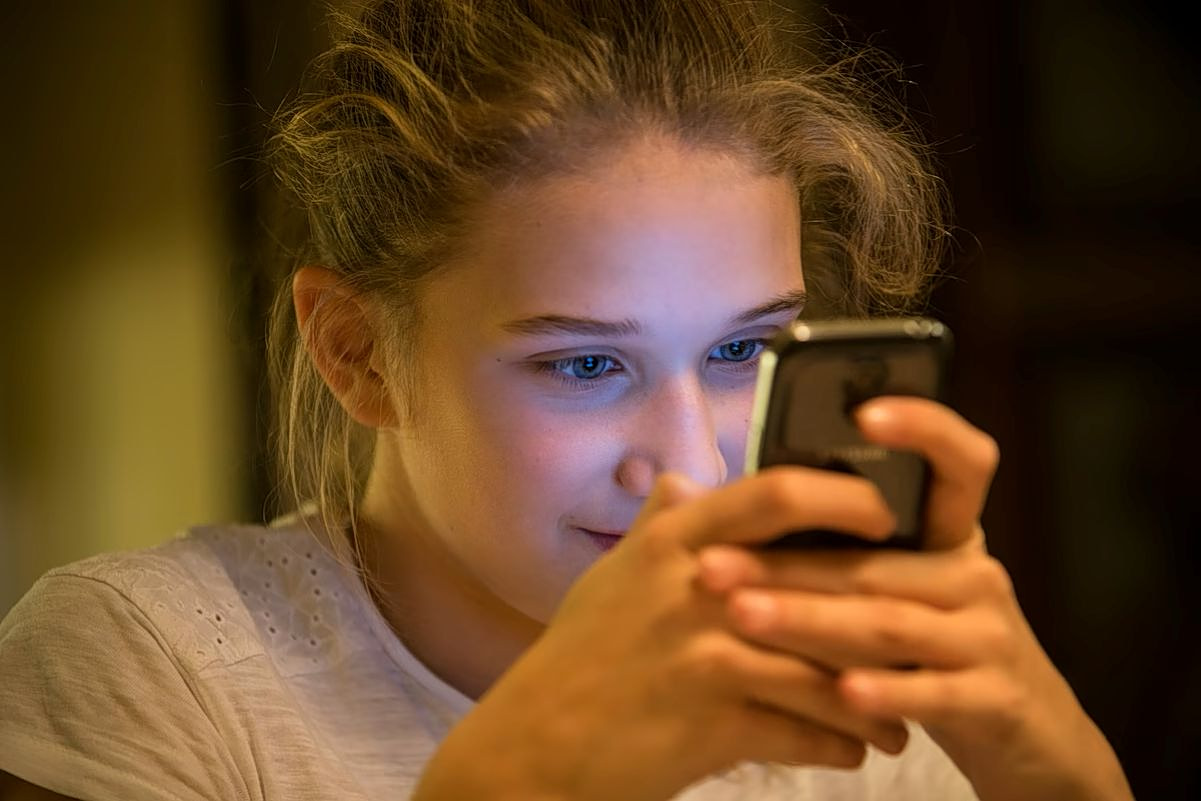
 The United Kingdom’s plans to restrict teenagers’ access to social media have reignited a debate unfolding across Europe, as governments face mounting pressure from parents and educators to better protect children online.
Countries including France, Spain, Austria, Greece, and Denmark are all considering measures to limit young people’s access to social media platforms. Concerns range from cyberbullying and the addictive design of digital platforms to more serious consequences, including self-harm and suicide.
According to the World Health Organization-supported Health Behaviour in School-aged Children (HBSC) study, problematic social media use among adolescents rose from 7% in 2018 to 11% in 2022.
The study defined problematic social media use through a behavioural scale measuring symptoms such as an inability to control usage, neglect of other activities, and conflicts or negative consequences resulting from time spent online.
Among 15-year-olds surveyed, some of the highest rates of problematic social media use were recorded in Romania, Ireland, and Malta. At the other end of the spectrum, the Netherlands, Denmark, and Estonia reported some of the lowest levels.
Across all participating countries, girls consistently reported significantly higher levels of problematic social media use than boys. The gender gap was particularly pronounced in Romania, where 28% of 15-year-old girls reported problematic use, compared with 18% of boys. In Ireland, the figures stood at 25% and 13% respectively.
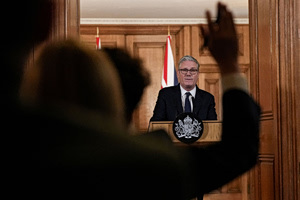
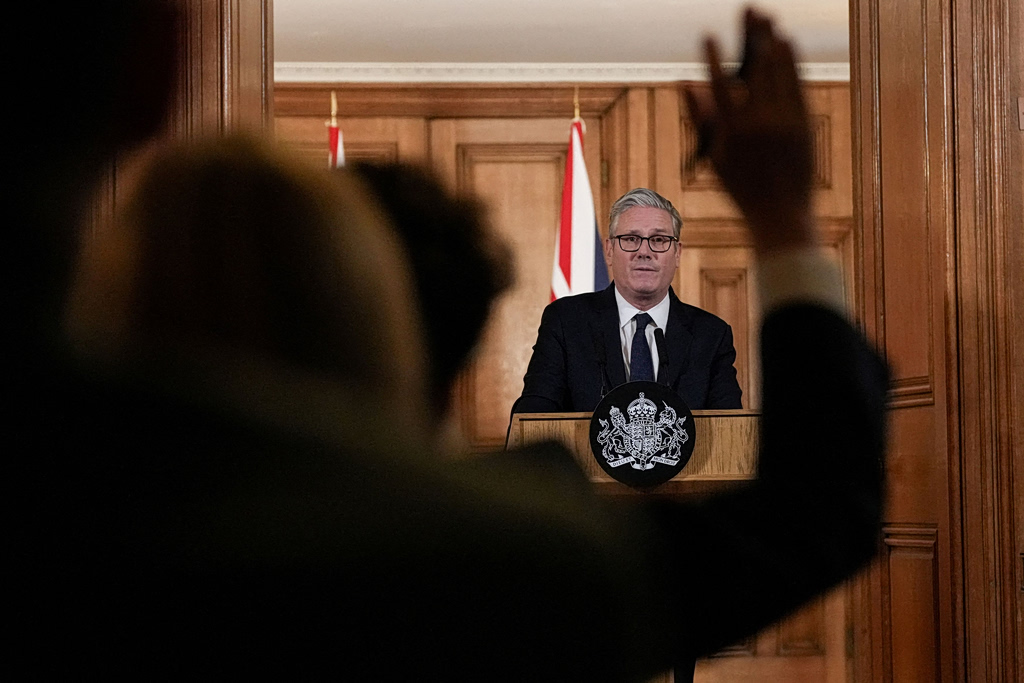
The UK government has announced it will ban social media for children under 16, arguing that the move is necessary to protect young people’s mental health. But what do teenagers think?
Al Jazeera’s Linh Nguyen spoke to some. pic.twitter.com/DgHE31nmZL
— Al Jazeera English (@AJEnglish) June 17, 2026
Girls were more likely than boys to report being constantly connected with friends online, with 44% of 15-year-old girls saying they were in near-continuous contact, compared with 29% of boys. Research suggests girls tend to have more online social interactions and face greater pressures related to appearance, body image, and cyberbullying.
Public support for stricter social media rules for children remains high across Europe. A YouGov survey found strong backing for under-16 bans in France (79%), the UK (76%), Germany (74%), and Italy (70%), with parents among the strongest supporters. Responding to growing pressure, France has approved restrictions for under-15s, while Spain has proposed raising the minimum access age to 16.