 Μake us preferred on Google
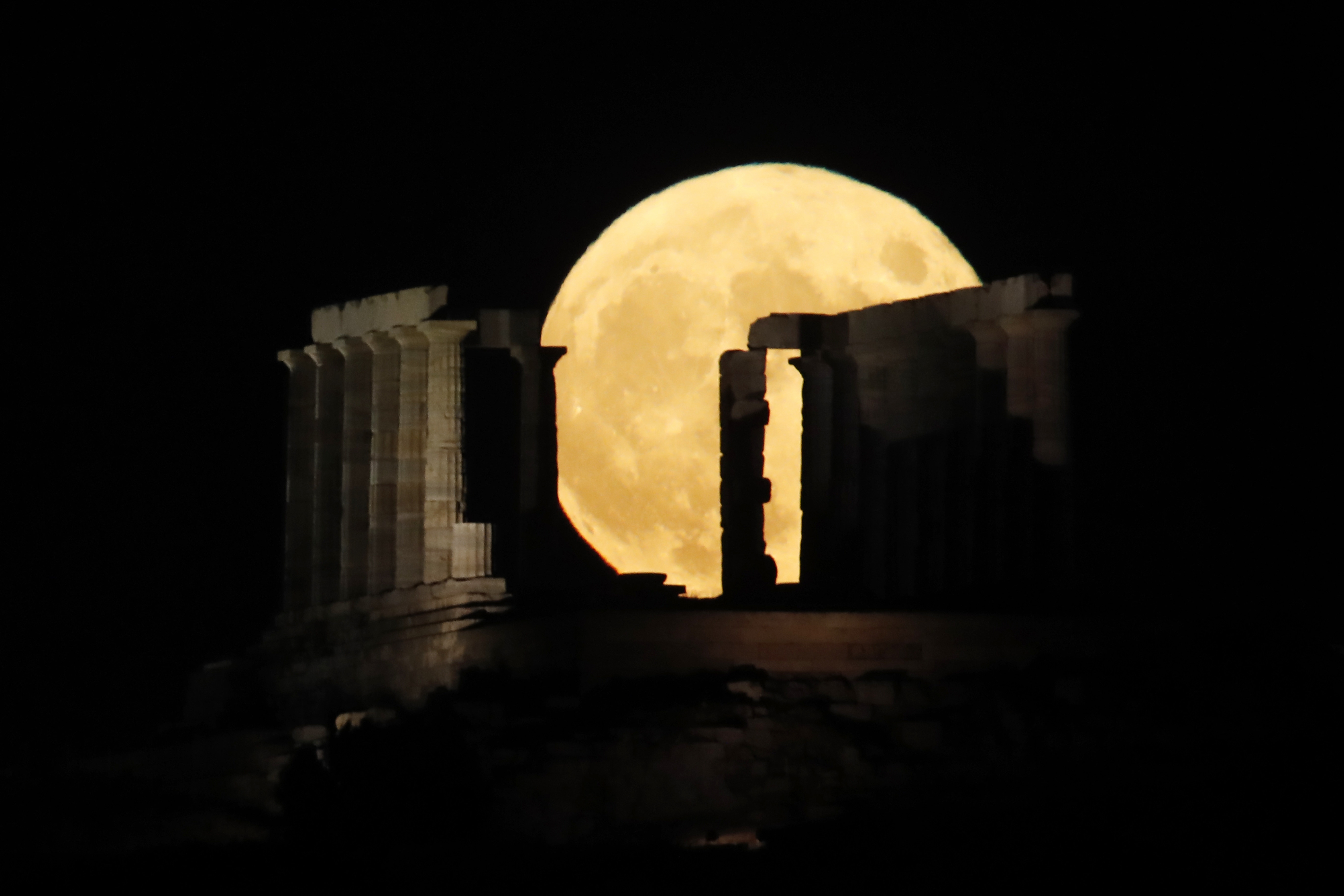
 The glow of the August full moon will once again illuminate some of Greece’s most celebrated archaeological treasures, with 126 archaeological sites, historic landmarks, monuments and museums opening their gates free of charge on Friday, Aug. 28, as part of the culture ministry’s annual nationwide celebration.
Now in its 27th consecutive year, the initiative has evolved into one of the country’s “signature” late-summer cultural traditions, drawing visitors to ancient sanctuaries, museums and historic monuments after sunset for a rare opportunity to experience Greece’s heritage under moonlight.
This year’s program will culminate on the night of the full moon, when 61 archaeological sites, museums and monuments will host concerts, theatrical performances, dance events, exhibitions and guided tours coordinated by the General Directorate of Antiquities and Cultural Heritage. Another 65 sites will remain open with free admission, generally from 7:30 or 8 p.m. until 11 p.m. or midnight.
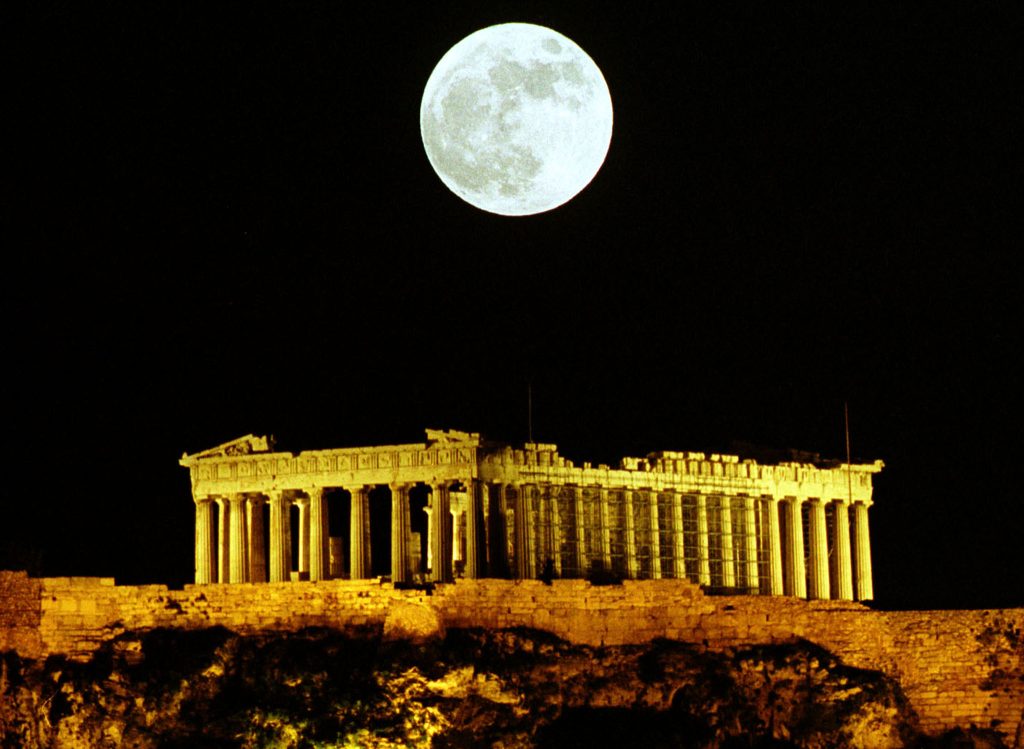
A full moon shines over the Parthenon on Athens’ Acropolis on December 22. The last full moon of this millennium appears fourteen percent larger than usual as it is the closest it has been to earth since December 21, 1866. It also appears around seven percent brighter than normal as it coincides with the Winter Solstice, the shortest day of the year. Photo by Yannis Behrakis REUTERS
The celebration, however, extends beyond a single evening. Events are scheduled across four additional days — Aug. 26, 27, 29 and 30 — allowing visitors to experience performances and cultural activities at heritage sites throughout the country.
The program is organized by the culture ministry’s archaeological and restoration services, often in partnership with regional and municipal authorities and local cultural organizations.

Photo: Pelagia Karanikola/SNFCC
The annual August full moon celebrations have become a fixture of Greece’s cultural calendar, blending archaeology, music and performance in settings rarely accessible after dark. In recent years, the initiative has expanded steadily in both scale and participation, with an increasing number of monuments remaining open into the night and programming extending over several days rather than focusing solely on the full moon itself. Previous editions have featured everything from concerts and theatrical productions to storytelling, stargazing and curator-led tours, reinforcing the event’s appeal to both domestic and international visitors.
The ministry has said that the full program is available on its website and will be updated should any schedule changes occur.