
 Μake us preferred on Google
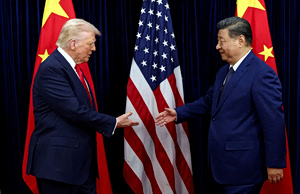
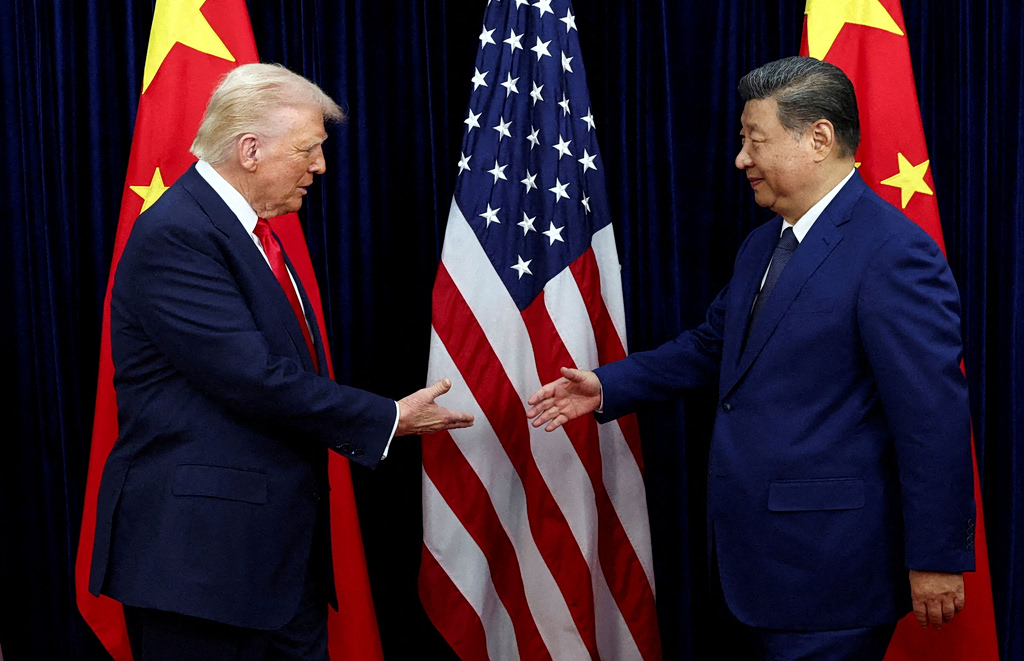
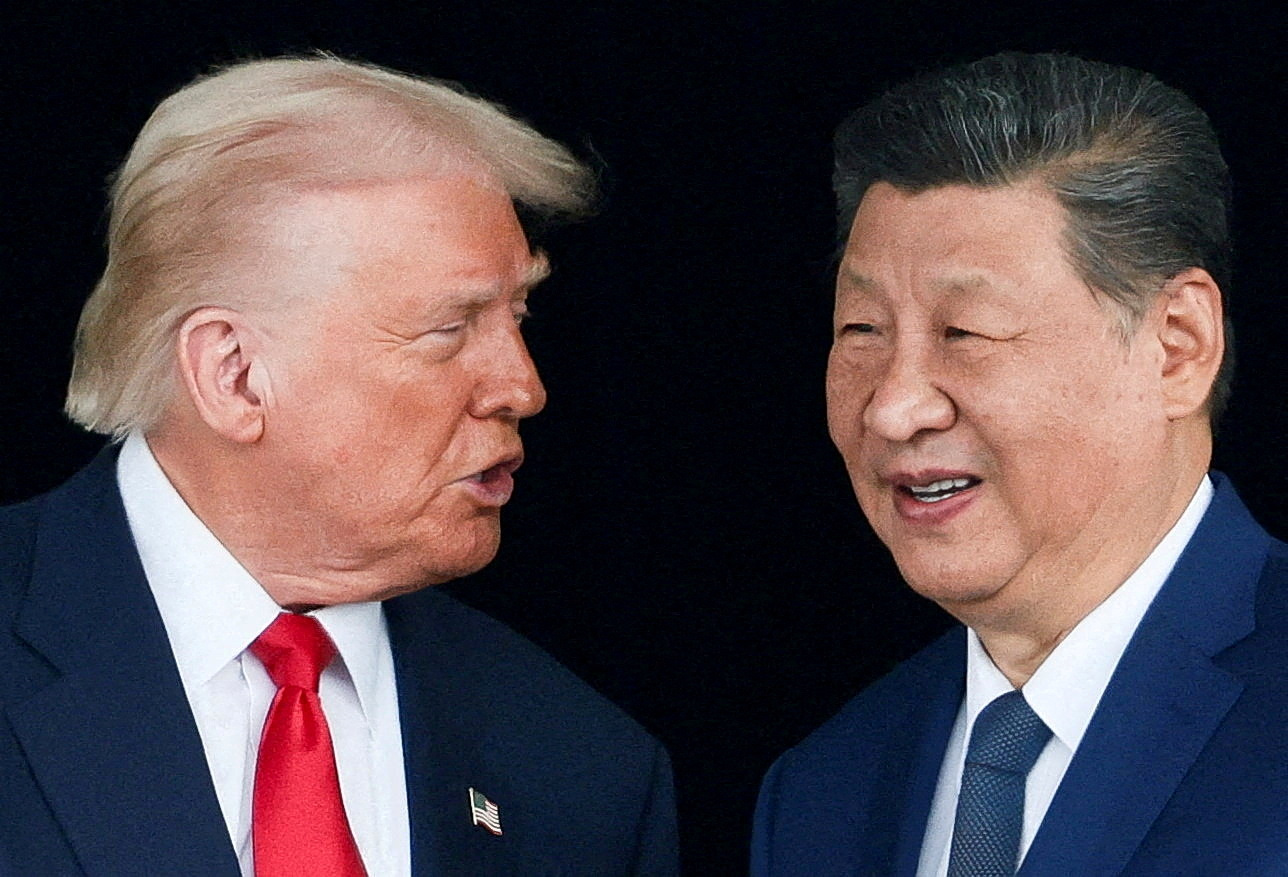
 All eyes are on President Trump’s visit to Beijing, his first since 2017. What can we expect from the summit between the leaders of the world’s two superpowers? The core issues on the table are Iran, Taiwan, bilateral trade, and the broader economic relationship.
The meeting had originally been scheduled for early April to focus on economic and trade matters. The U.S. postponed it at the time because of the war with Iran, hoping the conflict would be resolved quickly.
The Trump visit will now take place on May 14 and 15, with the Iranian conflict at an even deeper stalemate following the most recent round of unsuccessful negotiations.
Xi’s Strategic Advantage
Because of Beijing’s close relationship with Tehran, analysts believe Xi Jinping holds the strategic upper hand. China is Iran’s largest oil buyer and provides Tehran with both military backing and diplomatic cover. Trump is expected to ask Xi to scale back that support and press Iran’s leadership toward a deal. Even if he doesn’t say so explicitly, Iran is Trump’s central concern going into this meeting.
A High-Stakes Negotiating Game
The closure of the Strait of Hormuz and the resulting surge in energy prices have significantly affected the U.S. economy, raising serious concerns about how the Republican Party will perform in the midterm elections this coming November. But the conflict has also hit China’s economy hard, which is being squeezed by a sharp rise in the cost of industrial imports and higher expenses for its own exports. That said, because Xi Jinping is not accountable to voters, he has considerably more room to play a tough negotiating game.
From China’s perspective, the most consequential issue is U.S. policy toward Taiwan. The reunification of Taiwan with mainland China, part of what Xi has called the “Chinese Dream,” has been a longstanding and ironclad promise of his.
Taiwan matters to the United States for both geographic reasons and because it produces the advanced semiconductors that are critical, among other things, to the American defense industry. For decades, U.S. policy has been to back Taiwan through arms sales and trade ties, informally reinforcing the island’s de facto independence. To avoid a direct confrontation with Beijing, Washington has deliberately left ambiguous whether it would intervene militarily if China invaded the island.
In December 2025, the Trump administration announced a major arms sale package to Taiwan worth $11 billion, signaling its commitment to the island in the face of growing Chinese pressure. Trump has since slowed the process, possibly to avoid derailing the planned summit with Xi, but also because U.S. stockpiles have been drawn down by the conflict with Iran.
Taiwan’s Growing Anxiety
Recent comments by Trump suggesting that the Taiwan arms sale is something he intends to raise in Beijing, and that Xi “would prefer” no weapons were sent, have caused serious alarm in Taipei. The mere fact that he is willing to put the issue on the table signals a shift in U.S. posture, given that since 1982 Washington has committed to keeping arms sales to Taiwan off the agenda in its talks with Beijing.
Xi would like the U.S. to explicitly declare its opposition to Taiwanese independence, as a way to pressure Taipei into entering negotiations with Beijing. That outcome is highly unlikely, but any discussion touching on Taiwan’s status is inherently high-stakes territory, and Trump is often unpredictable.
The Trade Council Proposal
Other items on the agenda, less thorny than geopolitics, include trade and economic issues. China will likely agree to purchase Boeing aircraft and increase imports of American agricultural goods such as soybeans, giving Trump something he can bring home to Washington as a win.
What happens to the fragile trade truce reached last October in South Korea is also a key question. Trump had announced tariffs on Chinese goods of up to 145 percent; China responded with 125 percent; the truce brought those numbers down. On average, U.S. tariffs on Chinese goods now sit at around 31 percent. America’s trade deficit with China narrowed in 2025, but overall trade volumes have also shrunk, and the U.S. remains heavily dependent on China for rare earth minerals, importing roughly 70 percent of its supply from there. On the Chinese side, semiconductors and the export restrictions imposed by the Trump administration are a pressing concern.
The U.S. has proposed, and the two sides are expected to discuss, the creation of a bilateral Trade Council that would serve as a mechanism for monitoring and managing trade flows. In practice, the council would negotiate tariff levels based on product type and each country’s strategic sensitivity to specific goods.
Trump’s Communications Strategy
Trump also said he plans to raise the case of Jimmy Lai, the 78-year-old former media tycoon and founder of Hong Kong’s largest pro-democracy newspaper, who was charged and imprisoned for alleged conspiracy to collude with foreign forces under the national security law. The international community, led by Britain and backed by dozens of American lawmakers, has been pushing for his release, but China insists the matter is strictly a domestic one.
In any case, Trump will seize on whatever modest win he can find, whether in trade or elsewhere, to return home declaring the meeting an outstanding success. Xi, meanwhile, operates according to his usual diplomatic style of low-profile engagement and long-term strategic patience. What really matters is whether any meaningful progress is made on Iran, even if such discussions remain off the record, and whether Trump shifts U.S. policy on Taiwan even slightly. Everything else on the agenda, for now, is secondary, and expectations are modest.