 Μake us preferred on Google
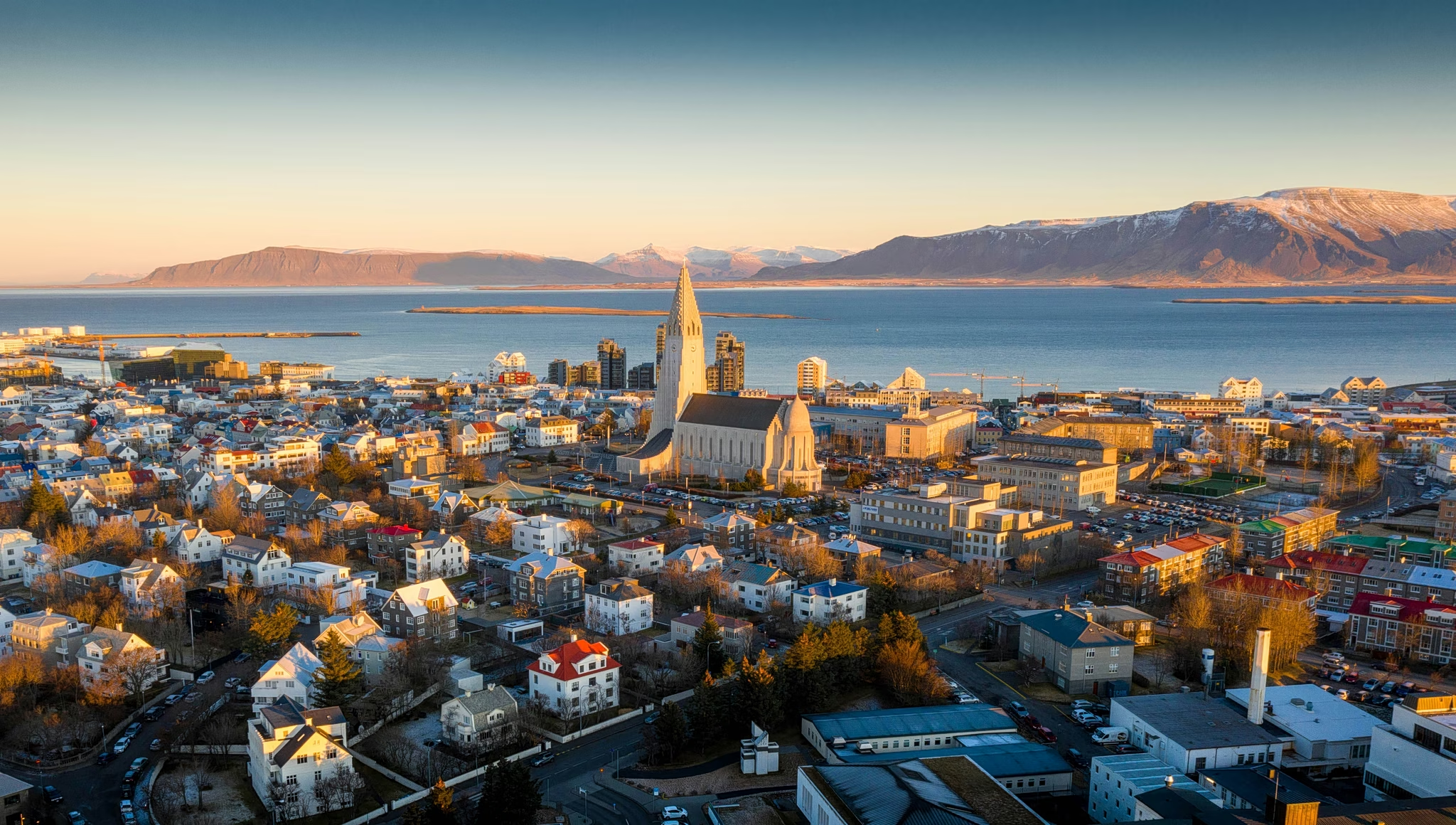
 Iceland is voting on whether to move forward again toward the European Union, in a referendum that has taken on major geopolitical significance for Brussels. The result won’t automatically mean EU membership, but it will determine whether the country reopens the path to negotiations.
While a final decision is still some way off, Brussels is treating the vote as an important test of whether the EU can still make itself attractive in a changing Europe, according to Bloomberg. The latest polls show “yes” and “no” running nearly dead even, making the outcome genuinely uncertain.
From the Euro and Trade to Fishing and Sovereignty
The paradox is that Iceland already sits very close to the European Union without being a member. The country participates in the European Economic Area (EEA) and has access to the single market, and it’s already a NATO member. So for many Icelanders, the question is whether full membership would deliver enough additional benefit to be worth the cost.
Supporters of joining point to significant economic upside: more stability in trade relationships, lower costs for businesses and households, and, longer term, the possibility of adopting the euro in place of the Icelandic krona. Prime Minister Kristrún Frostadóttir has argued that for an open economy like Iceland’s, deeper international cooperation could work in the country’s favor.
The “No” Camp
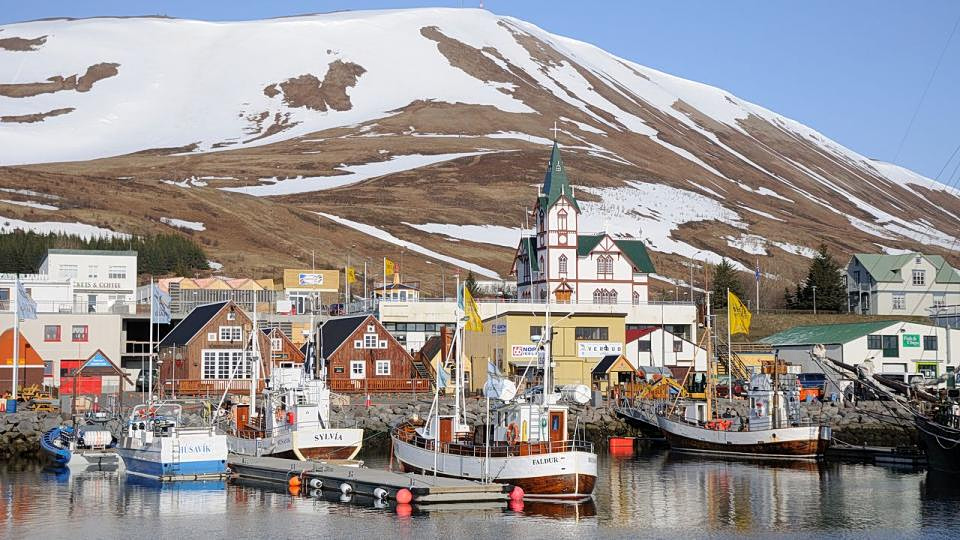
On the other side, the “no” camp worries that membership would limit national sovereignty, and above all, the country’s control over its natural resources. That’s where the real sticking point lies: fishing. For Iceland, this isn’t just another economic sector. Fishing is one of the pillars of the country’s economy, alongside tourism, aluminum production, and innovation.
Opponents of joining fear EU membership could mean losing exclusive control over Icelandic waters and fishing quotas. “Fishing isn’t a side activity in Iceland,” says Guðrún Hafsteinsdóttir, leader of the Independence Party and a strong advocate for “no.”
Russia, Trump, and a New Geopolitical Reality
For Icelanders, though, the dilemma is no longer purely economic. The shifting international security environment has added a new dimension to the debate. Iceland has no military of its own, and although it’s a NATO member, concerns about security in the North Atlantic region have intensified.
The war in Europe, rising tension with Russia, and uncertainty surrounding American foreign policy are now shaping the debate in Iceland too. Donald Trump’s posture toward Greenland, Iceland’s close Arctic neighbor, has also served as a reminder that geopolitical balances in the region can no longer be taken for granted.
Some analysts argue EU membership could offer Iceland greater political and economic protection, as well as a stronger hand against pressures like American tariffs. “We have war to the east, friction in Europe, and political instability in many parts of the world,” notes researcher Erlingur Erlingsson, stressing that security factors now carry more weight than before.
A “Yes” Vote Doesn’t Mean Iceland Joins the EU — The Bigger Fight Comes Next
Even if Icelanders vote to resume the European path, the country won’t automatically become an EU member. New negotiations with Brussels would be needed, along with agreement on a series of difficult issues. A second, final referendum would then be required for approval, and all 27 current EU member states would also have to agree to Iceland’s accession.
Iceland has been here before. It opened negotiations with the EU in 2009, following the global financial crisis, when its economy had taken a severe hit. Talks stalled in 2013 after the two sides failed to agree on critical issues, including fishing and agriculture.
Now, though, Brussels believes conditions have changed. The European Commission is preparing a comprehensive overhaul of the enlargement process, with proposals expected by late September. On the table are measures including phased integration of new members and changes to decision-making designed to reduce blocking by individual states.
Iceland could be the first major test of that approach. Brussels wants to send a positive signal to other candidate countries too, including Montenegro, Ukraine, and Moldova, which see EU membership not just as an economic choice but as a buffer against Russian influence. Enlargement Commissioner Marta Kos has described enlargement as part of the broader effort to secure Europe’s long-term stability and security.
For the EU, then, a “yes” vote in Iceland would be more than just a win in one small island nation. It would send a message that, despite its crises and internal difficulties, the European Union remains an attractive destination.
For Icelanders, though, the question is far more personal: how much of their sovereignty are they willing to share in exchange for greater economic and geopolitical security? The answer comes at Saturday’s ballot box.